What Should Buyers Ask pvcfloortile Before Placing Orders?
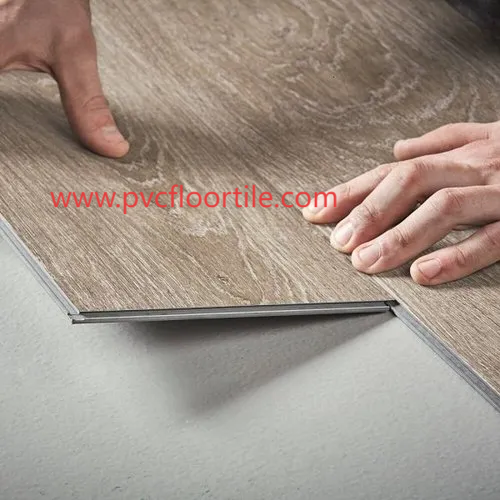
SPC Flooring Factory selection requires more than comparing product pictures and quotation prices. Importers, wholesalers, distributors, and project contractors should examine how a supplier manages materials, technical specifications, sample approval, production arrangements, and shipment preparation. These details help buyers understand what they are purchasing and whether the proposed products match their commercial requirements. A structured evaluation also makes communication clearer before a purchase order is confirmed.
Review the Supplier Product Range
Start by checking the available product collections and understanding the differences between individual models. Buyers may need several colors, surface patterns, plank dimensions, or construction options for different customer groups.
Ask for a current product catalogue with model numbers and technical information. Each item should have identifiable specifications rather than relying entirely on general descriptions. This makes it easier to compare quotations and prepare a purchasing schedule.
Consider whether the available designs suit your target market. Some distributors may prefer natural wood appearances, while commercial projects may require stone-inspired patterns or more neutral decorative styles.
It is also useful to ask whether new designs can be introduced according to market demand. A supplier that can explain its available options and development arrangements gives buyers a clearer understanding of potential cooperation.
Check Material Information and Product Construction
The internal structure deserves careful attention before buyers compare prices. Request information about the core composition, decorative layer, protective surface, and optional backing material.
Confirm the total thickness and the thickness of each relevant layer. If an attached underlay is included, ask whether its measurement is counted within the stated total thickness. This distinction can prevent misunderstandings when comparing different models.
Buyers should also request technical data sheets that identify plank dimensions, surface treatment, edge design, locking profile, and other model-specific details.
Do not rely on verbal descriptions alone. Written specifications provide a reference for quotations, sample approval, production confirmation, and later inspection. If a specification changes, ask for an updated document before approving the order.
Evaluate Samples Before Confirming a Large Order
Physical samples allow buyers to inspect product details that may not be clear in online photographs. Request samples of the actual models under consideration and examine their appearance under different lighting conditions.
Check the decorative pattern, surface texture, gloss level, edge finish, and color consistency. Place several pieces together to see how the design looks across a larger assembled area.
The locking profile should also be tested. Connect several planks and examine the joints for alignment, visible gaps, or uneven edges. Follow the supplied installation instructions when performing this check.
For repeat purchasing, retain an approved sample and record its model number, color reference, dimensions, and other relevant details. This gives both parties a practical comparison reference for subsequent orders.
Understand Customization Requirements
Customization may involve decorative designs, dimensions, backing options, carton printing, private labels, barcodes, or product identification. Buyers should prepare these requirements before asking for a final quotation.
Provide the supplier with clear information about the desired changes. Ask whether each request is available for the selected model and whether it affects the minimum order quantity, sample preparation, production schedule, or additional charges.
Packaging artwork should receive particular attention. Confirm the company logo, printed language, carton information, product codes, and shipping marks before approving the final design.
For orders containing several models or colors, prepare a detailed product list with separate quantities. This helps reduce confusion during production planning, packing, and shipment preparation.
Ask About Production and Inspection Procedures
A purchasing decision should include an understanding of how products are checked during manufacturing. Buyers can ask which production stages involve inspections and how the results are recorded.
Depending on the agreed specifications, inspection items may include dimensions, thickness, surface appearance, edge condition, locking fit, backing attachment, and carton information.
Ask whether inspection records can identify the product model, batch reference, inspection date, and measurement results. These records can help buyers review whether the delivered goods correspond with the approved requirements.
For larger orders, discuss whether sample approval or pre-shipment inspection can be arranged. Confirm the inspection scope, sampling method, acceptance criteria, and procedure for handling identified issues before production begins.
Examine Order Management and Batch Records
International buyers often need to coordinate purchasing, warehousing, and distribution at the same time. Ask how the supplier identifies production batches and whether cartons carry clear model and color references.
If you plan to reorder the same design, clarify how previous specifications and approved samples are retained. Consistent product identification makes it easier to communicate about repeat purchases and organize inventory.
Buyers should also ask how changes are communicated. For example, if a production schedule needs adjustment or a requested design requires additional preparation, the supplier should explain the updated arrangement before it affects the order.
Written order confirmations are useful for recording quantities, specifications, packaging details, inspection arrangements, and delivery expectations.
Confirm Export and Delivery Arrangements
Before signing a purchase order, review the commercial and shipping details. Confirm the production lead time, packing method, carton dimensions, gross weight, pallet requirements, and expected shipment schedule.
Ask which export documents can be provided and whether the supplier can support the documentation required for your destination market. Buyers should also confirm the agreed trade terms, payment schedule, and responsibilities for transportation.
For mixed orders, request a packing list that separates each model, color, and quantity. This can simplify warehouse receiving and help local distributors organize stock after arrival.At pvcfloortile, international buyers can discuss product specifications, sample requirements, decorative options, packaging, and order arrangements according to their market needs. Preparing these details before purchasing helps both parties establish clear expectations. To review available products and discuss your requirements, visit https://www.pvcfloortile.com/product/ and contact the team about your planned order.
Categorias
Leia Mais
Quietly effective bathroom elements often make the biggest difference in comfort and peace of mind during everyday routines. Choosing dependable suppliers ensures consistent quality, thoughtful features, and pieces that perform reliably for years.Hasen Shower Drain Cover Supplier delivers precisely engineered covers that guide water downward smoothly, intercept hair strands, soap film, and...

Forecasting the evolution of medical microelectronics requires examining the intersection of demographic shifts, hospital automation, and emerging silicon architectures within the Semiconductor Applications In Healthcare Market forecast. Market intelligence indicates sustained upward expansion over the coming decade, driven by an aging global population and an urgent clinical shift toward...

Vascular dementia is the second most common cause of dementia after Alzheimer's disease. It occurs when reduced blood flow to the brain damages brain tissue, leading to problems with memory, reasoning, and judgment. Unlike Alzheimer's, which progresses gradually, vascular dementia can appear suddenly after a stroke or develop in steps over time. It is a serious condition, but treatments and...

The grinding media industry is moving toward more application-specific product development as industrial operators seek improved milling performance and predictable operating costs. Different materials, mill configurations, ore characteristics, and processing requirements create demand for products with varied mechanical and wear properties. Manufacturers are therefore focusing on...
On the red carpet, we saw glamour with a capital G. When it comes to marquee awards shows, nominees tend to play it safe, opting for classic gowns over er fashion statements. Stitch shows up in fashion, in bottles and phone cases. They want more and more Stitch. fashion brands are using food as sensory marketing people can relate to and to create shareable moments at brand events. That strategy...