


Distributed Generation Market Share: Competition Intensifies
Distributed Generation Market Share: Competition Intensifies
Analysis presented by Market Research Future reveals that the global Distributed Generation Market Share distribution reflects a dynamic competitive landscape driven by increasing demand for renewable energy sources and the decentralization of energy production. Key players such as NextEra Energy, Enel, and Siemens are strategically positioning themselves through innovation and partnerships to enhance their market presence. The market appears moderately fragmented, with a mix of large multinational corporations and smaller, innovative firms, all vying for market share through technological advancement and operational efficiency.
Competitive Positioning of Industry Leaders
NextEra Energy focuses on expanding its renewable energy portfolio, leveraging its extensive experience in project development and operations. In August 2025, the company announced a partnership with a leading battery storage manufacturer to develop a new line of energy storage solutions aimed at enhancing grid reliability. This strategic move is likely to bolster NextEra's position in the distributed generation sector by providing customers with more resilient energy solutions.
Enel emphasizes digital transformation and smart grid technologies, positioning itself as a leader in the digital transformation of the energy sector. In September 2025, Enel launched a new initiative focused on integrating artificial intelligence into its energy management systems, aiming to optimize energy distribution and consumption patterns. By harnessing AI, Enel is not only enhancing operational efficiency but also positioning itself as a leader in the digital transformation of the energy sector.
Siemens leverages its expertise in automation and digitalization to optimize distributed energy resources. In October 2025, Siemens unveiled a new digital platform designed to facilitate the integration of distributed energy resources into existing grid infrastructures. This platform is expected to streamline operations and improve the management of decentralized energy systems, reflecting a broader trend where companies are increasingly investing in technology to enhance their service offerings.
Duke Energy, General Electric, Schneider Electric, Iberdrola, Vattenfall, EDF, and RWE represent significant competitors, each leveraging unique strengths and regional positions to capture market share.
Technology Leadership and Market Segmentation
The competitive landscape is shaped by distinct technology segments that define market share distribution. Solar power remains the dominant technology, benefiting from economies of scale, reduced installation costs, and technological advances. Companies with extensive experience in solar photovoltaic systems maintain strong positions in this dominant segment.
Wind power is gaining traction rapidly, driven by advancements in turbine technology and government incentives. Companies that successfully develop wind turbine technology gain competitive advantages in this growing segment, particularly as offshore wind becomes more viable.
Energy storage technologies are becoming increasingly vital within the market, helping to manage the variability of renewable energy sources. Companies that successfully integrate storage solutions with generation technologies gain competitive advantages in markets where reliability and resilience are paramount.
Regional Market Share Dynamics
North America holds the largest regional market share at approximately 40%, with major players including NextEra Energy and Duke Energy dominating the landscape. The competitive environment is characterized by a mix of established utilities and innovative startups, all vying to capture growing demand for decentralized energy solutions.
Europe accounts for around 30% of the global market share, with leading countries including Germany, France, and Spain. Key players like Enel and Siemens lead the competitive landscape, supported by regulatory frameworks promoting sustainability and innovation. The presence of key players, along with supportive policies, positions Europe as a leader in the transition to decentralized energy systems.
Asia-Pacific holds approximately 25% of the global share, with China and India being the largest contributors. The competitive landscape is evolving, with both local and international players including General Electric and Schneider Electric actively participating in the market to capture emerging opportunities.
Strategic Initiatives Shaping Competition
Recent industry developments illustrate the strategic approaches that companies employ to strengthen their market positions. Companies are increasingly localizing manufacturing and optimizing supply chains to enhance operational efficiency. Strategic alliances are becoming more prevalent, as companies recognize the importance of collaboration in driving innovation and enhancing service delivery.
In October 2023, Vestas announced a major contract to supply wind turbines for an extensive offshore project, reinforcing its position in the market. In November 2023, Orsted made headlines with its acquisition of a substantial solar energy development portfolio from a local firm, highlighting the ongoing trend of mergers and acquisitions among leading players like Enel and Siemens as they expand their renewables capabilities.
Tesla continues to innovate in energy storage and generation solutions, driving growth in market valuation. JinkoSolar and Canadian Solar have also reported increases in shipment volumes, indicating strong demand for solar products globally.
Market Concentration and Fragmentation
The market appears moderately fragmented, with a mix of large multinational corporations and smaller, innovative firms. The collective influence of these key players is significant, as they drive advancements in technology and infrastructure, thereby influencing market dynamics and consumer choices.
However, the capital intensity of renewable energy projects, the importance of established relationships with customers and regulators, and the need for technical expertise create barriers to entry that limit the number of viable competitors in certain segments.
Challenges in Market Share Competition
Competing effectively requires navigating several challenges that influence competitive dynamics. Grid integration complexity increases as distributed generation penetration rises, requiring investments in smart grid technologies and energy management systems.
Regulatory frameworks vary significantly across jurisdictions, requiring companies to maintain multiple compliance capabilities. Intermittency of renewable sources requires investment in energy storage or backup generation to ensure reliable power supply, favoring companies with comprehensive technology portfolios.
Future Competitive Landscape
Competitive differentiation is likely to evolve from traditional price-based competition to a focus on technological innovation, reliability of supply chains, and the ability to offer comprehensive, sustainable energy solutions. Companies that successfully develop microgrid solutions for urban areas, integrate energy storage systems with renewable sources, and expand virtual power plants leveraging IoT technology will be positioned to capture market share growth.
As the market expands toward its projected USD 895.61 billion valuation by 2035, competition is expected to intensify across all segments and regions. Market Research Future's analysis indicates that the Distributed Generation Market will continue to reward companies that combine technological leadership with sustainability focus and customer-centric service, ensuring that the competitive landscape remains dynamic and innovation-driven throughout the forecast period.
Categorie
Leggi tutto
Easy to Assemble Sofa designs can simplify furniture installation by reducing the number of complicated steps involved in setting up a large seating unit. For buyers, the installation experience can influence how convenient a furniture purchase feels from delivery through daily use. A well planned structure can make components easier to identify, position, connect, and adjust without...

Long Shank Burs are widely used in manufacturing environments where standard cutting accessories cannot easily reach narrow channels, recessed surfaces, or deep internal areas. Their extended reach allows operators to perform shaping, deburring, material removal, and finishing tasks while improving access to complex workpiece structures. Many modern industries manufacture components with...

In today's evolving material market, PETG Film from ShanghaiMsd has become a practical option for manufacturers, designers, and project developers seeking a balance between visual appeal and functional performance. As industries continue to pursue flexible material solutions, this innovative film is finding its place in a wide range of applications where appearance, adaptability, and processing...

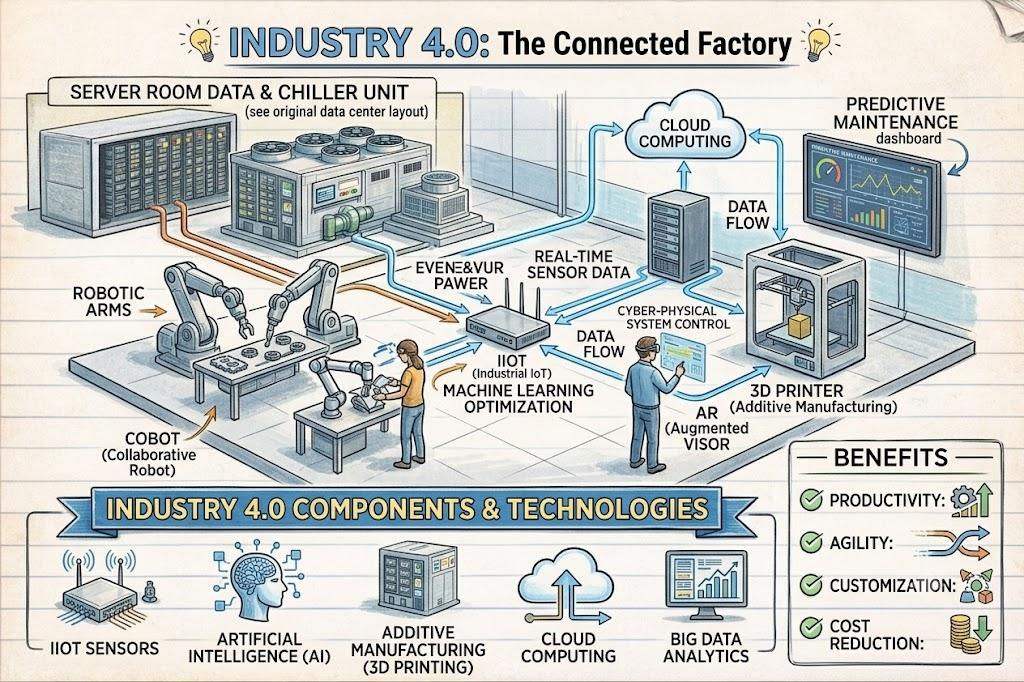
The industrial sector is experiencing a monumental transformation as digital technologies convert traditional, static production facilities into dynamic, self-optimizing ecosystems. Within this modern economic architecture, the Industry 4.0 market serves as the technological foundation for future industrial productivity, offering software and hardware tools required to automate complex...
North America has established itself as the dominant region in the global Colon Hydrotherapy Market, driven by high consumer awareness of wellness practices, advanced healthcare infrastructure, and the proliferation of wellness centers and spas. The region accounted for a substantial share in 2024 and is expected to maintain its leadership through 2035. The Colon Hydrotherapy Market in North...
