


Locker Sale Market Forecast to Reach USD 6.5 Billion by 2035
Lockers have moved from static metal boxes in school corridors to networked storage nodes that authenticate users, log transactions, and integrate with access control systems — a shift that changes what buyers are purchasing and who they buy from. According to WiseGuy Reports, the global Locker Sale Market was valued at USD 3,830 million in 2024, rose to USD 4.02 billion in 2025, and is projected to reach USD 6.5 billion by 2035, expanding at a compound annual growth rate of 5.0% across the forecast period. That rate reflects a mature furniture category being repriced by electronics and software. The smart locker systems segment sits at the centre of this transition, connecting secure storage hardware to the digital access and management platforms that increasingly determine specification.
Report Key Statistics
The report establishes a clear quantitative baseline. Market value moves from USD 3,830 million in 2024 to USD 4.02 billion in 2025, en route to USD 6.5 billion by 2035.
By type, electronic lockers stand out as a significant segment, holding a valuation of USD 1,465 million in 2024, though the report projects a decline to USD 1,400 million in 2035, attributed to the evolving technology landscape and changing consumer needs which may shift focus towards other types. Metal lockers show a compelling trend aligning with rising demand for secure and durable storage across educational institutions and corporate environments, with market value expected to reach USD 2.0 billion in 2035. Wooden lockers maintain steady expansion, appealing particularly to segments prioritising aesthetic appeal and warmth, with expected value of USD 0.687 billion in 2024. Plastic lockers experience moderate growth driven by lightweight, water-resistant properties suitable for high-moisture areas.
By end use, educational institutions have historically showcased strong growth driven by the need for student lockers ensuring safety and accessibility, underscoring the significant role educational settings play. Gyms and fitness centres demonstrate steady expansion as individuals seek secure storage for personal belongings during workouts. Corporate offices are witnessing gradual increase as emphasis on employee convenience and workplace organisation continues to rise. Public facilities are marked by significant needs in areas such as recreation centres and community venues.
By locking mechanism, key locking holds a significant position due to simplicity and widespread adoption. Combination locking has experienced strong growth appealing to consumers looking for increased security without the need for keys. Digital locking is becoming increasingly popular driven by advancements in technology and the growing need for smart solutions offering convenience and enhanced safety. Card access is witnessing steady expansion particularly in commercial spaces where keycards are preferred for ease of use and ability to integrate with advanced security systems.
Regionally, North America dominates, valued at USD 1,620 million in 2024 and expected to rise to USD 2,540 million by 2035, indicating significant growth potential. Europe follows closely behind exhibiting steady expansion driven by increased demand for secure storage solutions across sectors. Asia-Pacific demonstrates moderate increase as urbanisation and population growth heighten the need for efficient locker systems, with the region expected to grow to USD 1.57 billion by 2035. South America presents gradual decline but still holds opportunities due to emerging markets seeking modern storage solutions. The Middle East and Africa is characterised by a strong growth trend as organisations invest in security infrastructure.
Key companies profiled include Schlage, Kaba, LockState, Master Lock, Aperion, ProLok, Ives Commercial, Salsbury Industries, Bradley Corporation, American Lock, Giant Lock, Tennsco, KeyGuard, Giant Manufacturing, and Medeco.
Industry Trends Reshaping the Category
Digital Locking and IoT Integration
The report notes the integration of technology into locker systems, such as electronic locks and smart lockers, is gaining traction, appealing to tech-savvy consumers who prioritise convenience and accessibility. It notes segmental trends reveal an increasing shift towards smart lockers integrated with IoT technology, enhancing user convenience and security, thereby attracting more consumers towards automated storage solutions.
This is analytically decisive because networked lockers convert a furniture purchase into a software relationship: once a facility manages locker allocation through a cloud platform, the hardware becomes an endpoint rather than a standalone asset.
E-Commerce Delivery Lockers
The report notes emerging opportunities include the growth of the e-commerce sector where lockers provide secure, contactless delivery options, and as online shopping continues to rise retailers are exploring partnerships with locker providers to enhance customer experience and streamline operations. It notes the challenge of porch piracy has further enhanced the need for secure delivery solutions, with reports indicating over 15 million Americans fell victim to package theft in 2020 alone.
The analytical point is that delivery lockers create a genuinely new demand category rather than substituting existing storage: they serve couriers and recipients rather than employees or students, which places them in public locations where traditional lockers were never installed.
Biometric and Cloud Management
Recent developments documented in the report illustrate the technology trajectory. Master Lock announced in June 2025 the launch of its new biometric locker solution, Master Lock BioLock, designed for high-security school and corporate environments, featuring fingerprint verification and cloud-based management. Schlage announced in July 2025 a strategic partnership with LockState to integrate LockState's cloud-based locker management platform with Schlage's access control ecosystem, enabling synchronised user management and remote locker provisioning across facilities.
The analytical implication is that biometrics remove the credential that most often gets lost or shared — a key or card — while cloud management removes the administrative burden of reallocating lockers, which is where facility managers spend most of their locker-related effort.
Sustainability and Materials
The report notes sustainability and eco-friendliness are becoming significant trends, with manufacturers focusing on developing lockers made from recycled materials and energy-efficient designs to appeal to environmentally-conscious consumers, and that recent trends indicate a growing preference for environmentally friendly materials in locker manufacturing.
Customisation
The report notes another notable trend is the customisation of lockers, allowing brands to tailor products according to individual business needs, preferences, and branding requirements.
Hygiene and High-Traffic Environments
The report notes Salsbury Industries announced in March 2025 a major product launch of an antimicrobial-coated steel locker line for high-traffic environments, extending its portfolio for schools and workplaces. The analytical point is that antimicrobial coatings address a post-pandemic procurement concern in schools and gyms, which shows that material specification now responds to health considerations as well as durability.
Challenges Constraining Growth
The report identifies several constraints. Electronic locker decline signals technology risk: the report notes electronic lockers held USD 1,465 million in 2024 but are projected to decline to USD 1,400 million in 2035 due to the evolving technology landscape and changing consumer needs which may shift focus towards other types — an unusual pattern that suggests buyers may be consolidating toward integrated smart platforms rather than standalone electronic units.
Fragmentation and competition constrain pricing, and the report notes the market could face challenges related to evolving consumer preferences and competition, with numerous companies having entered the arena creating a competitive landscape characterised by innovation, quality, and service excellence.
Security and privacy obligations apply to networked lockers, since cloud-managed systems hold user identity data and biometric templates, imposing data protection obligations on operators.
Installation and infrastructure requirements constrain retrofit, because delivery lockers in public locations require power, connectivity, and weather protection that indoor furniture lockers do not.
Regional variation constrains growth: the report notes South America presents gradual decline though still holding opportunities, and the Middle East and Africa is characterised by strong growth as organisations invest in security infrastructure — indicating demand follows urban development and security spending rather than population alone.
Future Outlook and Expert Discussion
The report's outlook recommends optimising technological integration by investing in IoT-enabled smart lockers that provide real-time tracking, data analytics, and user-friendly apps to enhance customer engagement and streamline logistics. It recommends capitalising on the growing trend of remote work by expanding locker locations in suburban and rural areas to serve at-home workers and delivery services, thereby creating a new customer base. It recommends diversifying product offerings by leveraging emerging technologies such as AI for personalised locker experiences and tailored services, which could significantly enhance customer loyalty and differentiate from competitors.
It notes key market dynamics include increasing urbanisation, growing security concerns, rising e-commerce adoption, demand for smart solutions, and environmental sustainability trends.
The report's competitive analysis notes Schlage has positioned itself as a prominent player by leveraging its reputation for quality and reliability, specialising in providing a wide array of locker solutions tailored to applications such as schools, gyms, offices, and public facilities, with a product lineup distinguished by focus on advanced locking mechanisms and innovative design emphasising both functionality and aesthetic value, benefiting from a strong legacy and established presence contributing to customer trust and brand loyalty, with commitment to continuous innovation enhancing competitive edge.
It notes Kaba operates robustly by offering a diverse selection of locking solutions emphasising security and user convenience, known for advanced electronic and mechanical locking systems catering to healthcare, education, and commercial spaces, with competitive advantage lying in investment in research and development fuelling innovation and introduction of state-of-the-art products, with global reach and operational efficiency bolstering market presence.
The report notes both companies share a focus on enhancing security and convenience in locker systems yet differ in their approaches and technological implementations, setting the stage for dynamic competition.
The report also notes industry developments include a rise in collaborations between manufacturers and technology developers to integrate advanced locking systems catering to a tech-savvy consumer base, and strategic alignments aimed at consolidating market positions with significant activity reported where a major player acquired a regional business to expand product offering and market reach.
On demand drivers, the report notes approximately 35% of urban households have begun investing in personal storage solutions in response to theft and security concerns, that approximately 25% of new locker models being introduced globally integrate advanced technology features, that global gym membership has seen growth of approximately 15% in the last five years leading to a spike in locker demand, and that online shopping has seen an annual growth rate of around 20% globally in the last few years.
The analytical point is that the drivers span three distinct buyer types — households, fitness facilities, and e-commerce operators — which means the market's growth is distributed across applications rather than concentrated in one channel.
Conclusion
Locker sales currently sit in a transition phase where metal lockers retain volume leadership through durability in schools and workplaces while digital locking and cloud management determine the value proposition in new installations. Emerging opportunities lie in e-commerce delivery lockers addressing package theft, biometric access removing credential loss, IoT platforms enabling real-time tracking and analytics, antimicrobial materials for high-traffic environments, and remote-work-driven locker placement in suburban areas. Technological developments in cloud management and access integration are converting lockers from furniture into managed services, which matters because a facility that can reallocate lockers remotely and audit access digitally gets more use from the same number of units.
Over the long term, the direction is toward lockers specified on management platform integration and auditable access data rather than on cabinet construction alone, with service and software determining supplier economics — a shift that favours manufacturers able to combine durable hardware with cloud capability and security ecosystem partnerships. As the Locker Sale Market advances toward its 2035 valuation, vendors that pair physical security with verified digital management and reliable service will capture the most durable share, because in secure storage the locker that can prove who opened it and when delivers assurance that a locked steel box cannot.
الأقسام
إقرأ المزيد
We are le s than three weeks away from the 2015 . The No. 1 question -- as in, Who goes No. 1 to the ? -- might be all but answered. Yes, all signs point to coming off the board first on April 30. I've expre sed my thoughts on the matter: . NFL Media draft guru Mike Mayock now shares this sentiment, having jumped Mariota over Winston . All in all, opinions on the 2014 Heisman Trophy winner...

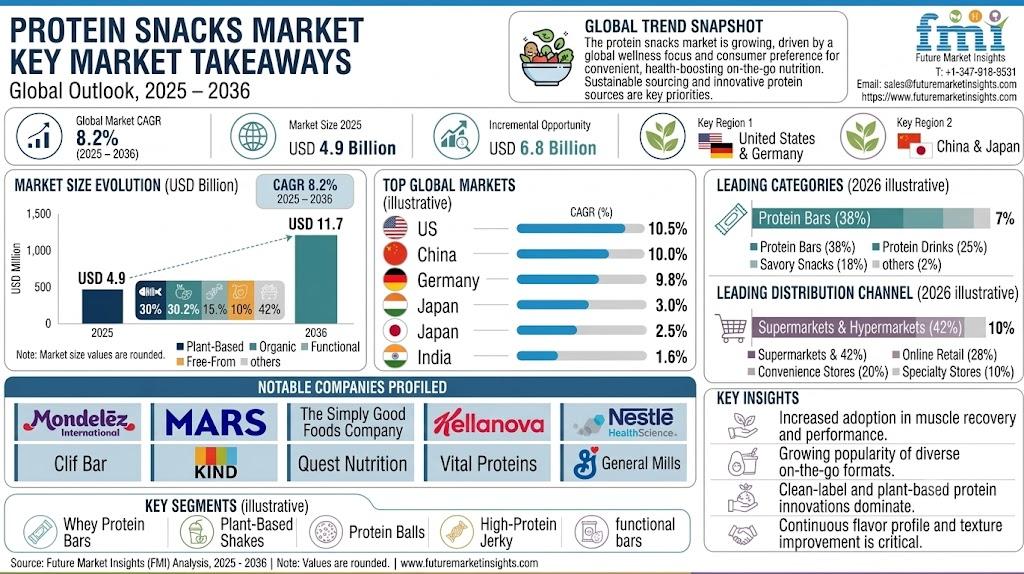
NEWARK, Del., October 15, 2026 — The global Protein Snacks Market is gaining momentum as consumers increasingly seek convenient, protein-rich food options that support active lifestyles, fitness goals, and everyday nutritional needs. Growing interest in high-protein diets, on-the-go consumption, and functional snacking is encouraging food manufacturers to expand their portfolios...
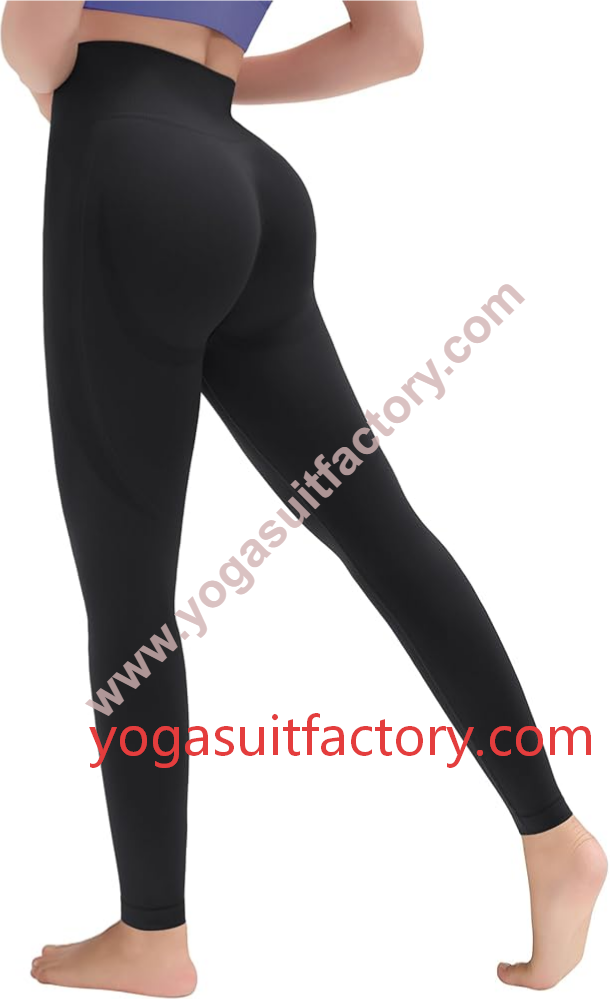
Athleisure fashion continues reshaping modern wardrobes by blending comfort, flexibility, and style into a unified clothing concept that fits both active and casual settings. Within this evolving landscape, Tummy Control Activewear and YogasuitFactory have become closely associated with the rising demand for functional apparel that supports confidence while adapting to daily movement. This...
In the world of fitness and bodybuilding, achieving peak performance requires dedication, discipline, and access to high-quality supplements. Many athletes and fitness enthusiasts look for trusted brands that can support their goals effectively. Pharmaqo Labs has built a strong reputation by offering premium steroids and performance enhancers designed to deliver consistent results. With...

What Features Should You Look for in a Men's Electric Grooming Clipper Set? Personal grooming has become an important part of everyday life for many men. A well-maintained appearance often contributes to confidence in professional, social, and personal settings. When searching for a Men's Electric Grooming Clipper Set, buyers are often faced with a wide range of options that differ in design,...
