


Automotive Passive Electronic Component Industry: The Quiet Backbone of Vehicle Electronics

According to Market Research Future, the automotive passive electronic component industry is experiencing robust growth as vehicles become increasingly dependent on electronic systems for safety, efficiency, and connectivity. Passive components — capacitors, resistors, inductors, and filters — may not attract the attention of processors or sensors, but they are essential to the reliable operation of every electronic system in a modern vehicle.
Understanding Passive Components
Passive electronic components do not amplify or generate signals but perform essential functions that enable active components to work effectively.
Capacitors
Capacitors store and release electrical energy, filter signals, and provide power conditioning. In vehicles, they are used extensively in:
-
Engine control units and power management
-
Infotainment systems and displays
-
ADAS sensors and cameras
-
Electric powertrain inverters
Resistors
Resistors limit current, divide voltage, and provide termination for signal lines. They are ubiquitous in automotive electronics, from LED lighting circuits to sensor interfaces.
Inductors and Filters
Inductors store energy in magnetic fields and are critical for power conversion, filtering, and electromagnetic compatibility. As vehicles incorporate more switching power supplies and high-frequency systems, inductor demand grows.
Why Passive Components Matter More Than Ever
Vehicle electronics have become dramatically more complex. A modern car may contain thousands of passive components, and their reliability directly affects vehicle performance and safety.
Electrification Drives Demand
Electric powertrains require substantial power conversion and management. Inverters, DC-DC converters, and onboard chargers all rely heavily on capacitors, inductors, and filters. The high voltages and currents involved demand components rated for demanding conditions.
ADAS and Autonomy
Advanced driver assistance systems rely on cameras, radar, and lidar — all of which require extensive passive component support for signal conditioning, filtering, and power management. As ADAS capabilities expand toward autonomy, component counts grow.
Connectivity and Infotainment
Modern vehicles are increasingly connected, with infotainment systems, telematics, and V2X communication. Each system requires passive components for signal integrity and power management.
Technical Requirements
Automotive passive components must meet stringent requirements:
Reliability Under Harsh Conditions
Components must withstand temperature extremes, vibration, humidity, and chemical exposure over a vehicle's 15-year lifecycle. AEC-Q200 qualification is the standard benchmark for automotive passive components.
Miniaturization
Space is at a premium in vehicle electronics. Surface-mount components with small footprints enable compact module design.
High-Voltage Capability
EV applications require capacitors and other components rated for 400V, 800V, or higher voltages, with appropriate safety margins.
Practical Considerations for Designers and Buyers
Several factors influence component selection:
-
Qualification status — AEC-Q200 or equivalent is essential for automotive applications
-
Supplier reliability — automotive supply chains demand consistent quality and availability
-
Temperature ratings — under-hood applications may require 150°C or higher ratings
-
Size and weight — miniaturization supports module integration
-
Cost — passive components are high-volume, cost-sensitive items
Challenges Facing the Industry
Supply Chain Constraints
Certain passive component types — particularly high-capacitance MLCCs (multilayer ceramic capacitors) — have experienced allocation and lead time challenges. Automotive demand competes with consumer electronics for capacity.
Quality Requirements
Automotive quality standards are among the most demanding in electronics. Achieving and maintaining AEC-Q200 qualification requires significant investment in testing and process control.
Technical Complexity
As voltages rise and frequencies increase, component design becomes more challenging. Materials science and manufacturing precision are critical.
Opportunities and Future Outlook
The passive component industry has a positive long-term trajectory:
Volume Growth
More electronics per vehicle means more passive components. This trend is structural and likely to continue regardless of powertrain type.
High-Voltage Specialization
EV applications create demand for high-voltage capacitors and inductors — a premium segment with higher margins.
Reliability Differentiation
As vehicles become more dependent on electronics, reliability becomes a stronger differentiator. Suppliers with proven automotive quality win share.
Integration
Component integration — combining multiple functions in a single package — is a growing trend that creates value for space-constrained applications.
For a detailed view of market dynamics and forecasts, the automotive passive electronic component market provides essential guidance for component suppliers, module designers, and procurement teams navigating this evolving landscape.
Explore additional reports to understand evolving market landscapes:
Cold Chain Logistics Services Market
Cold Storage and Freezer Maintenance Market
Cold Storage Equipment Maintenance and Repair Market
Categorie
Leggi tutto
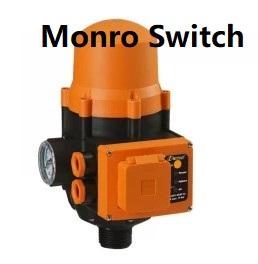
An effective control interface should make equipment simple to operate while fitting naturally into the overall product design. In applications that require convenient manual control, Monro Switch can provide a practical component option for equipment designers, panel builders, and electrical product manufacturers. A properly selected Monro Switch can support straightforward operation while...
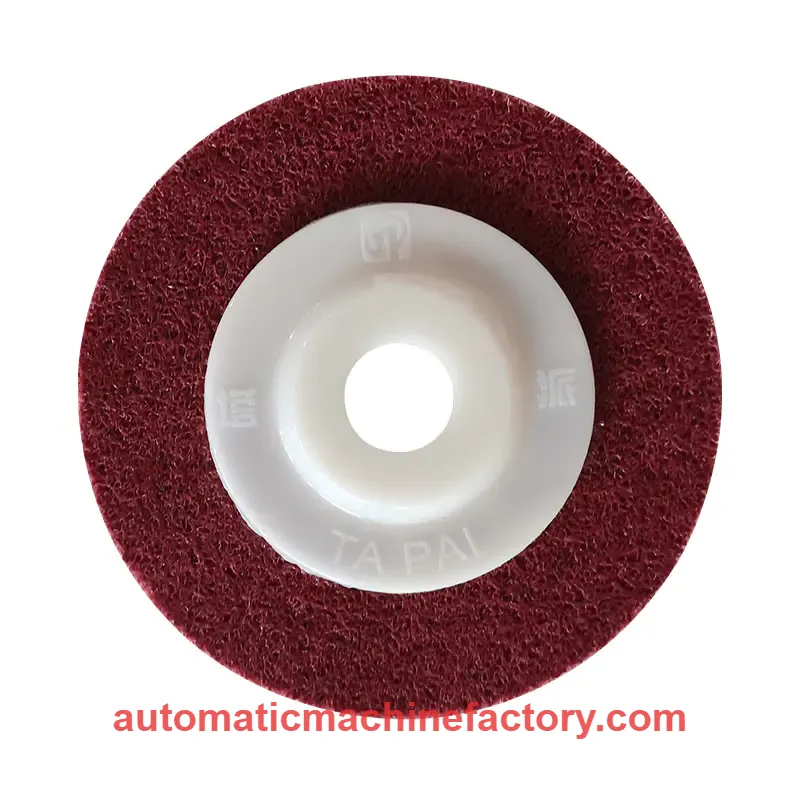
Can Non-Woven Fiber Wheel Materials Affect Surface Finish Quality? Surface finishing is shaped by the interaction between an abrasive tool and the material being treated. In metalworking, a Non-Woven Fiber Wheel uses a flexible fiber network to create a finishing action that can follow surface contours and refine visible marks. The choice of fiber, abrasive grain, and bonding material...
Quality, safety, and regulatory compliance are increasingly important factors shaping the US Industrial Fasteners Market. Fasteners may be small components, but their performance can directly affect the safety, reliability, and durability of larger products and structures. Industries such as automotive, aerospace, construction, and industrial machinery require fastening components that meet...

The Kefir Market is experiencing changing consumer interest as fermented foods become more familiar within everyday diets. Kefir combines traditional fermentation practices with a convenient beverage format, making it relevant to consumers who are exploring new food experiences. Its distinctive taste, texture, and preparation process differentiate it from conventional beverages, while its...
Vinyl Flooring has become a familiar consideration for homeowners planning contemporary interior renovations, especially when appearance, cleaning routines, and room coordination all matter. Laminate remains another widely considered option, and each material can suit different household priorities. Rather than focusing on a single feature, buyers can compare how each surface fits the...