


Zhusi Custom Sports Tape: Backing, Adhesive, and Application Insights
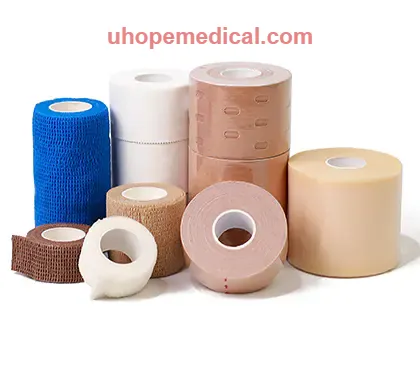
Athletic strapping depends on a tape that holds a defined position while the body moves beneath it, and the properties that make this possible sit in the backing weave, adhesive chemistry, and edge construction rather than in appearance alone.Custom Sports Tapeproduced with attention to these layers serves both structured taping routines and equipment applications, and Wenzhou Zhusi Medical Supplies Co., Ltd. has built its production around rigid strapping tape for sports care, medical use, and personal applications. Buyers evaluating tape options face questions about fabric behavior, adhesive selection, and format flexibility that deserve examination before orders are placed.
Cotton remains a familiar backing for rigid athletic tape because woven cotton combines tensile strength with a textile feel that handlers recognize. Yarn density, weave pattern, and surface treatment influence how the tape behaves during application and how it tears when pulled across a serrated edge. Rayon and cotton-rayon blends adjust softness and coating uniformity, while polyester reinforcement raises dimensional stability where greater mechanical stress is expected. Buyers should request samples across backing options because the same nominal description can produce noticeably different handling characteristics, and the choice that suits ankle strapping may not suit finger wrapping or equipment use.
Zinc oxide rubber-based adhesive is associated with traditional athletic tape and provides strong initial tack, yet adhesion depends on coating weight, surface preparation, and wear conditions as much as on chemistry. Acrylic systems may be selected where aging stability or controlled skin contact matters. The surface receiving the tape also shapes the decision, since tape applied over underwrap, dressings, or equipment handles operates under different demands than tape contacting skin directly. Buyers should confirm the intended contact surface and match adhesive selection accordingly, because excessive tack complicates removal while insufficient tack allows lifting during movement.
Ordering custom sports tape involves specifications that reach beyond width and color. Buyers should establish nominal width, roll length, core diameter, and packaging format early, since these details affect handling on the field and storage in a clinic. Hand-tearability deserves attention as well, because a tape intended for quick application during training differs from one cut with scissors in a treatment room. Private label buyers should confirm which elements the factory can customize, including backing composition, adhesive type, printed designs, and packaging presentation. Requesting a datasheet alongside a physical sample prevents the mismatch that arises when a specification reads correctly but performs unexpectedly.
Rigid tape differs from elastic products in how it responds to movement, and this distinction shapes both application technique and user expectations. Low-stretch construction maintains a defined structure after wrapping, which suits anchored strapping patterns around joints and padding fixation. Hand-tearable edges with serrated construction allow application without tools, a practical advantage during competition or field-side care. Unwind force affects how the roll releases during application, and a tape that pulls unevenly slows the handler. Buyers should evaluate unwind behavior and tear performance during sampling rather than after bulk delivery.
Athletes and clinicians notice tape properties through the course of a session. A backing that conforms without wrinkling reduces pressure points, and controlled adhesion allows removal without leaving residue or pulling skin. Comfort around small body areas depends on thickness and flexibility, which is why finger and thumb applications favor narrower formats while ankle strapping accepts broader coverage. Buyers serving different user groups benefit from offering a width range rather than a single format, and feedback from trainers often centers on handling speed and removal comfort rather than on technical data.
Visual customization has become part of sports tape sourcing, with printed designs and color options allowing teams, clinics, and retail brands to distinguish their products. Packaging format influences shelf presence and clinical organization, and individual wrapping suits single-use settings while bulk rolls serve high-volume training rooms. Edge treatment, core construction, and roll diameter all contribute to how a product functions in practice. A supplier able to coordinate backing selection with printed design and packaging presentation gives buyers a route to products that serve both performance and brand identity.
Handling characteristics that trainers notice during a session trace back to decisions made at the backing and adhesive stage, and buyers who confirm those details through samples gain confidence in how the finished roll will perform. The rigid tape range at https://www.uhopemedical.com/ presents construction options and format choices for comparison, and questions about unwind behavior, hand-tear edges, and contact surfaces asked early tend to shape orders that hold up on the field.
Categorie
Leggi tutto
The Powder Processing Equipment Market represents the comprehensive landscape of material transformation innovations, providing essential technologies that enable efficient, precise, and reliable powder handling through integrated systems of mixing and blending equipment, drying and cooling systems, sintering furnaces, compaction/punches and dies, and specialized processing machinery designed...

The Cacciatore Market is witnessing consistent growth as consumers increasingly embrace authentic Italian-inspired meal solutions that combine convenience with premium taste. Rising urbanization, busy lifestyles, and the growing popularity of international cuisines are encouraging the adoption of ready-to-use cooking sauces and meal preparation products. As a result, manufacturers are focusing...
De mest populære online casino slots i 2025: En dybdegående analyse af spillemaskiner, der fanger spillernes interesse I takt med den hastige udvikling inden for online gambling, har spilleautomaterne udviklet sig til en central del af gameplay-oplevelsen i online casinoer. I 2025 ser vi en bemærkelsesværdig stigning i populariteten af spillemaskiner, der formår at...

Strategic business evaluations offer deep insights into competitive positioning. The Eye Tracking Market Analysis framework reviews manufacturer margins, regional distribution advantages, and long-term economic viability indicators. Competitive rivalry intensifies among leading optical technology conglomerates. Companies compete fiercely on pricing, tracking accuracy, and developer software kit...

The Aerospace Market continues to play a critical role in the global economy, connecting nations, supporting defense operations, and enabling technological advancement. As commercial aviation recovers from previous disruptions and governments increase investments in defense modernization, the aerospace sector is experiencing a period of renewed growth and transformation. One of the primary...