


Is Cbbmachine Differential Shaft Suitable for Your Production Line?
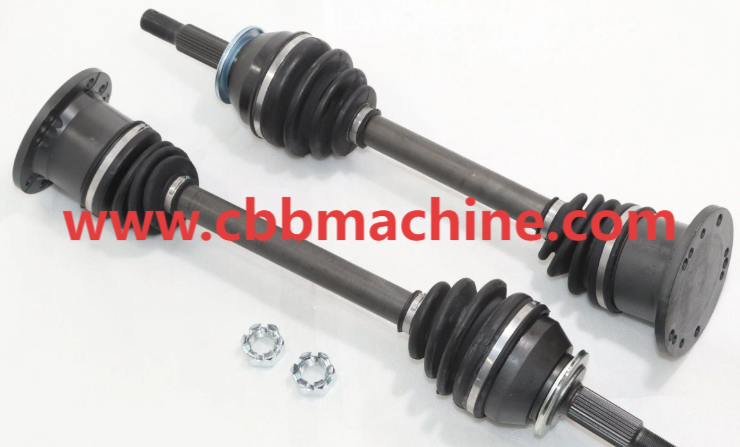
When multiple narrow rolls are processed together, maintaining consistent winding conditions can become a complicated mechanical task. A Differential Shaft offers a practical solution by allowing individual winding positions to respond to different material tension requirements. Cbbmachine develops industrial shaft components designed to support flexible roll handling, coordinated production, and the operational needs of converting machinery.
In industries involving paper, plastic film, foil, labels, and flexible packaging, materials frequently pass through slitting and rewinding procedures. During these operations, individual strips may have different thicknesses, widths, or winding characteristics. If all rolls are forced to rotate under identical conditions, variations in material properties can create uneven winding results. An independent torque arrangement helps address this challenge by allowing each roll position to accommodate its own resistance.
The working principle is based on differential movement between individual winding elements and the central shaft structure. Each position can respond to changes in material tension through an appropriate friction or torque transmission arrangement. This flexibility helps maintain more consistent winding conditions across multiple rolls, even when the processed materials do not behave identically.
One practical advantage is its contribution to finished roll quality. Uneven tension may cause loose edges, telescoping, wrinkles, or irregular roll surfaces. By accommodating differences between individual winding positions, the mechanism helps operators manage these challenges during production. This is especially relevant when processing materials with varying characteristics or when several narrow strips are rewound simultaneously.
Equipment compatibility is another important consideration. Different slitting and rewinding machines have their own shaft dimensions, installation structures, operating speeds, and connection requirements. Selecting an appropriate configuration involves understanding the machine layout and the characteristics of the materials being processed. Proper matching helps the component integrate into the existing production system without unnecessary structural adjustments.
The choice of friction elements and internal mechanical arrangements also influences operating characteristics. These components need to correspond with the intended material, working environment, and torque requirements. Suitable component selection helps maintain consistent contact and supports the independent operation of individual winding positions. Manufacturers should therefore consider the relationship between internal construction and actual production conditions rather than focusing exclusively on external dimensions.
Maintenance is equally important for long-term equipment management. Friction components naturally require attention during repeated mechanical operation. Regular inspection, cleaning, and replacement of worn parts can help maintain the intended operating characteristics. A practical shaft structure should also allow maintenance personnel to access relevant components without creating unnecessary difficulties during routine servicing.
For manufacturers handling different product specifications, operational flexibility can make a meaningful difference. Production schedules may involve frequent material changes, varying roll widths, and different winding requirements. Equipment that accommodates these changes can help reduce the need for complicated adjustments between production tasks. It also allows operators to focus on material quality and process coordination.
Before purchasing, businesses should communicate their application details clearly. Information about the machine structure, material characteristics, winding arrangement, installation conditions, and expected operating requirements can help suppliers evaluate suitable configurations. When standard designs do not match an existing production line, customized structural arrangements may provide a more appropriate solution.
A carefully selected shaft component contributes to more than the winding process itself. It supports the relationship between material behavior, machine operation, and finished product consistency. Understanding these connections allows manufacturers to make more informed decisions when upgrading equipment or planning new production lines.
Every finished roll reflects the coordination of many mechanical details. When independent winding requirements become part of your production challenge, the right equipment deserves a closer look. Visit https://www.cbbmachine.com/product/ and browse the available industrial shaft solutions. Take a moment to see how thoughtful mechanical design could become part of your next manufacturing improvement.
Categorias
Leia Mais
The success of any retail fuel station depends on the sophisticated Fuel dispensing systems that form its core operational backbone. These systems are more than just pumps; they are complex, integrated networks that ensure accurate measurement, safe delivery, and seamless payment processing. Findings from Market Research Future underscore that advances in dispensing technology...
The have been lacking a star running back for a while now. They can change that in Luke Kennard Jersey free agency. And this week, they got some good news on that front. shared this on X on Friday night: "Ahead of Combine week, Im hearing theres legitimate interest from Travis Etienne to come to KC. Etiennes due to become a UFA on 3/11, and the Chiefs need a running back. Well see." Etienne has...

На сегодняшний момент ИИ-помощники в области документооборота приобрели высокую популярность и востребованность. Самое главное выбрать надежного и проверенного исполнителя, что сможет воплотить в жизнь современное решение, идеальным образом оптимизированное под профиль организации. Сперва следует отметить немаловажный момент - ранее имелись также агенты, что упрощали работу. Тем не менее...
Battery-powered products are used across consumer electronics, electric vehicles, energy storage systems, industrial equipment and medical devices. As battery applications expand, manufacturers are placing greater emphasis on pack authentication, identification and protection against counterfeit or unauthorized battery units. According to the SemiconductorInsight report page, the global Battery...

By 2026, Hollow Knight: Silksong has settled into its place as one of the defining sequels of its era, but its arrival remains a case study in how a triumphant launch can be shadowed by a localization crisis. When Team Cherry released the game in September 2025, the response from critics and most players was ecstatic. On Steam, the sequel reached a peak of more than 562,000 concurrent players,...