Cannabis and Hemp Market: Medical Research and the Development of Cannabinoid-Based Therapies
Cannabinoids are chemical compounds found in cannabis plants and have become an important subject of pharmaceutical and biomedical research. Scientists are studying how these compounds interact with biological systems, including receptors involved in pain signaling, appetite, inflammation, and neurological activity. This research is contributing to a growing body of knowledge about cannabis-derived substances and their potential therapeutic applications.
The Cannabis and Hemp Market includes regulated medical cannabis products, hemp-derived ingredients, and cannabinoid-based formulations. Market development is influenced by scientific research, product regulation, healthcare policies, and the availability of standardized manufacturing processes. The distinction between medical cannabis, industrial hemp, and consumer cannabinoid products is important because each category may be subject to different legal and quality requirements.
Cannabidiol (CBD) and tetrahydrocannabinol (THC) are two widely discussed cannabinoids. They have different pharmacological properties and regulatory classifications. Certain cannabinoid-based medicines have received approval for specific medical indications in particular jurisdictions. However, this does not mean that all cannabis-derived products are approved treatments or that evidence supports every health claim made about them.
Clinical research is examining cannabinoid-based medicines in areas such as selected seizure disorders, chemotherapy-associated nausea, and other conditions. The strength of evidence varies by indication, formulation, and product. Researchers must evaluate dosage, safety, drug interactions, long-term effects, and patient outcomes through appropriately designed studies.
Product standardization is a major requirement for medical applications. Manufacturers must control cannabinoid concentrations, purity, contaminants, and batch consistency. Laboratory testing can help verify product composition and detect substances such as pesticides, heavy metals, residual solvents, and microbial contaminants.
Regulatory oversight also influences the development of cannabinoid-based therapies. Pharmaceutical products generally require rigorous evidence of quality, safety, and effectiveness. Rules governing cannabis cultivation, processing, distribution, and prescribing differ across countries and may change over time.
Despite increased research interest, important challenges remain. These include limited clinical evidence for some proposed uses, differences in product quality, regulatory fragmentation, and concerns about inappropriate self-medication. Healthcare professionals play an important role in assessing whether an approved cannabinoid-based treatment is appropriate for a particular patient.
Future developments may involve more standardized formulations, improved extraction technologies, and additional clinical research. Scientific evidence and responsible regulation will remain central to the evolution of medical cannabis.
People Also Ask
1. What are cannabinoids?
They are chemical compounds found in cannabis plants that interact with biological systems.
2. Are all CBD products approved medicines?
No. Approval depends on the specific product, formulation, indication, and applicable regulatory authority.
Tags: Medical Cannabis, Cannabis and Hemp Market, Cannabinoid Research, CBD, THC, Pharmaceutical Research, Cannabis Regulation
Categorias
Leia Mais
When businesses plan to expand their drinkware collections, working with an experienced Car Mug Manufacturer can help them develop products that combine practical features with appealing designs. A reliable Car Mug Manufacturer understands the specific requirements of automotive drinkware, including cup holder compatibility, convenient drinking methods, and suitable material combinations....

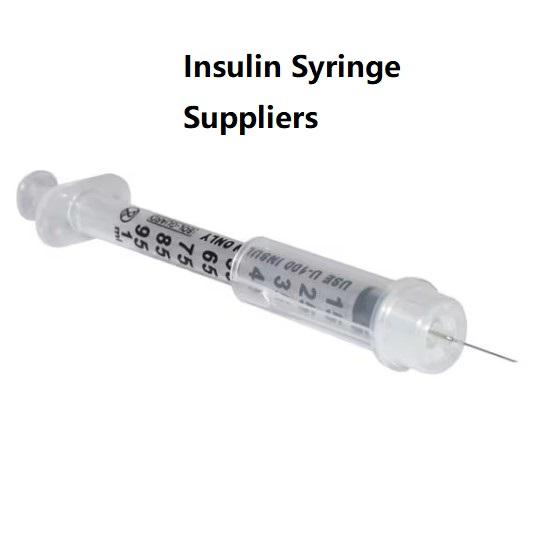
In today's healthcare supply environment, product consistency, procurement flexibility, and clear manufacturing information all influence purchasing decisions. When medical distributors and healthcare organizations evaluate Disposable Syringe Suppliers , they need to consider more than product availability. Working with suitable Disposable Syringe Suppliers can help buyers coordinate...
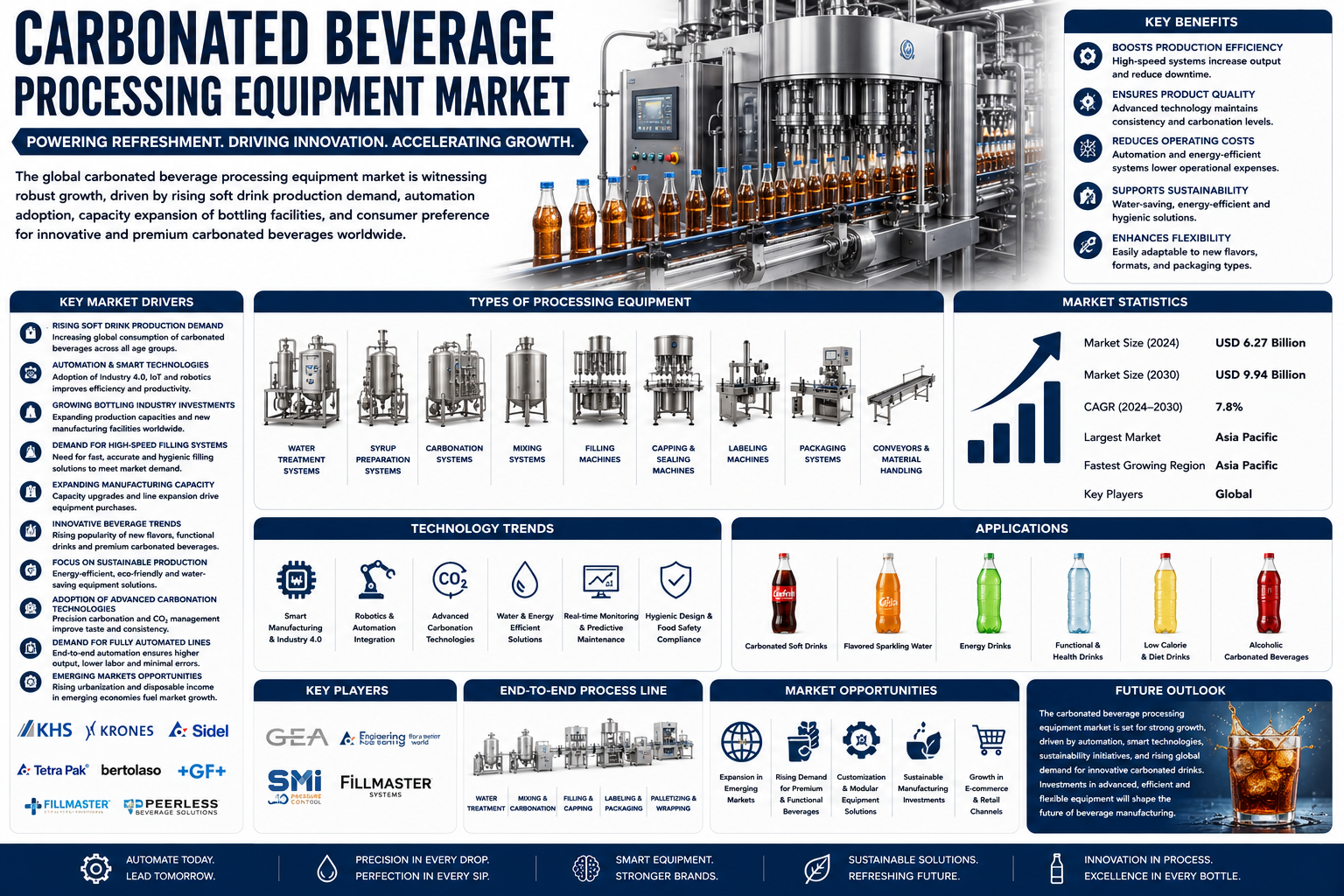
The global carbonated beverage processing equipment market is experiencing robust growth as beverage bottling companies continue to invest in facility upgrades and production expansion projects. Increasing beverage consumption and evolving product portfolios are encouraging manufacturers to modernize operations and adopt advanced processing equipment. One of the primary drivers supporting...
L'évolution des réglementations sur les jeux de hasard en ligne en 2025 : Impact sur les opérateurs, les joueurs et l'industrie des casinos virtuels Les jeux de hasard en ligne continuent de connaître une expansion rapide dans le monde entier, attirant des millions de joueurs et générant des revenus colossaux pour les opérateurs. Cependant, ces...

Then, we had another, and again I did dare. Before, they were focused on a story, and the product was reaching the client. Last year, as it took a break from fashion week, announced it was in a licensing dispute with owned Staff International. A lot of consumers are now coming into the ecosystem through the es, whether that be gaming or fashion collaborations, beauty or large retail...