


Comprehensive Strategic Evolution of Cyber-Physical Building Information Modeling, Autonomous Earthmoving Telematics, and Digital-Twin Execution Frameworks Across Modern Civil Infrastructure
Modern mega-infrastructure undertakings, urban commercial high-rise developments, industrial manufacturing plant construction, and international transportation corridors depend fundamentally on cyber-physical data orchestration, establishing the operational foundation of the Smart Construction Industry. For over a century, the architectural, engineering, and construction (AEC) industry operated under fragmented, analogue execution models: civil works relied on static 2D paper blueprints, manual optical surveyor transits, disconnected spreadsheets, and subjective human site inspections. These legacy methodologies introduced systemic project vulnerabilities: chronic schedule overruns, severe structural clash-rework expenses (routinely consuming five to ten percent of total project budgets), high material scrap waste, and dangerous occupational site hazards. Smart construction resolves these structural operational bottlenecks by integrating multi-dimensional Building Information Modeling (BIM), real-time kinematic (RTK) satellite-guided autonomous machinery, terrestrial LiDAR scanning, and cloud-native digital-twin execution platforms. By transforming physical job sites into interconnected, data-driven cyber-physical ecosystems, smart construction compresses project delivery schedules, optimizes structural asset lifecycles, and elevates job-site safety standards globally.
The foundational engineering of contemporary smart construction architectures centers on geometric data modeling, machine guidance hydraulics automation, and spatial reality capture. At the core of digital project delivery sits 5D Building Information Modeling (BIM): parametric 3D geometric models are dynamically bound to project time schedules (4D) and real-time cost-estimating databases (5D). When an engineering modification is made to a structural concrete foundation or MEP (mechanical, electrical, plumbing) raceway, the software platform recalculates structural loads, material quantities, bill-of-materials costs, and project critical-path timelines automatically. On the physical earthworks site, heavy civil machinery—such as excavators, bulldozers, and motor graders—deploys 3D Machine Control Systems: multi-constellation GNSS receivers, dual-axis inertial measurement units (IMUs), and hydraulic proportional control valves interface with the machine’s CAN-bus network. The onboard machine guidance computer cross-references the excavator bucket’s exact 3D spatial coordinates against the digital terrain model, regulating hydraulic cylinders automatically to grade terrain, dig utility trenches, and compact sub-base layers with millimeter-level precision on the first pass without manual surveyor grade-staking.
Deploying comprehensive smart construction platforms delivers decisive operational productivity, scrap elimination, and lifecycle maintenance advantages across infrastructure megaprojects, urban residential developments, and industrial petrochemical complexes. In large-scale highway, railway, and dam construction, autonomous fleet telematics systems track fleets of heavy haul trucks, scrapers, and rollers: artificial intelligence dispatch engines optimize haul routes dynamically, monitor diesel fuel burn rates, track engine thermal loads, and calculate cut-and-fill soil mass-haul balances in real time, elevating heavy machinery fleet productivity by twenty to thirty percent. In high-density commercial high-rise construction, engineering teams deploy terrestrial and drone-mounted LiDAR scanners to capture dense point-cloud reality models of as-built concrete slabs and structural steel framing weekly: the digital-twin platform overlays as-built laser scans directly atop BIM design models, identifying structural column misalignments or mechanical duct clashes instantly before subsequent concrete pours lock errors into place, preventing millions of dollars in destructive structural remediation. Furthermore, in industrial facility fabrication, smart construction workflows tag structural steel beams and pre-cast concrete modules with passive RFID and QR asset tags, tracking components from off-site prefabrication factories through transport logistics to final crane hoisting, establishing digital traceability across the physical asset's entire structural lifecycle.
Looking toward strategic long-term construction engineering roadmaps, smart construction architectures are converging with on-site construction robotics, automated 3D concrete additive manufacturing, computer-vision safety analytics, and smart contract blockchain escrow platforms. Next-generation job sites deploy autonomous mobile robots (AMRs) and quadruped robotic dogs equipped with SLAM (Simultaneous Localization and Mapping) navigation and 360-degree cameras to perform autonomous night-time site progress inspections, updating cloud digital twins without human labor. Concurrently, large-scale gantry 3D concrete printers deposit proprietary cementitious mortars layer by layer directly on foundations, printing structural walls for residential communities in hours with zero formwork timber waste. Supported by international OpenBIM data interoperability standards (such as Industry Foundation Classes / IFC governed by buildingSMART) and ISO 19650 information management frameworks, smart construction maintains an indispensable technological foundation driving the future of sustainable civil engineering, autonomous job-site execution, and resilient urban infrastructure worldwide.
Top Trending Reports :
International Trade And Customs Law Consulting Market
Internet Of Things (Iot) Consulting Services Market
Investment Banking Advisory Services Market
Categorias
Leia Mais
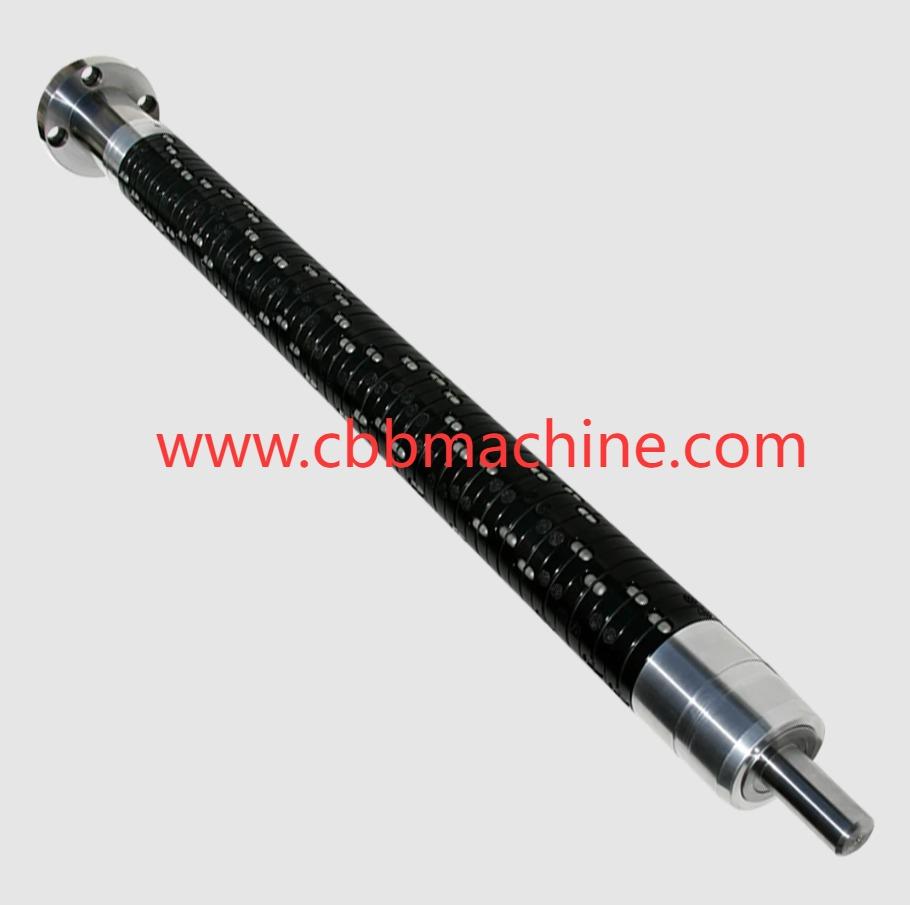
In today's manufacturing environment, the Pneumatic Expanding Shaft plays a crucial role in maintaining stable and adaptable material handling, while Cbbmachine contributes to its continuous refinement through thoughtful engineering and application-focused design. This component is widely used in processes that require secure gripping and smooth rotation of cores across different production...
The protection of personnel and facilities from hazardous gas releases essential for oil and gas operations is being enabled by gas detection systems that provide continuous monitoring across upstream, midstream, and downstream facilities. Findings from Market Research Future indicate that oil and gas represents a significant end-user segment for gas detection equipment. Report Key...

The long-term financial valuation of the global coverage sector is expanding rapidly as institutional investors, sovereign wealth funds, and private capital recognize the resilient revenue profiles of modernized risk protection platforms. Assessing the overall Insurance Protection Product Market Value highlights a highly attractive financial trajectory, with total market revenue rising from...

The promise of CAR T therapy is constrained by a manufacturing challenge: creating personalized treatments at scale is complex, time-consuming, and expensive. Autologous therapy—using the patient's own cells—requires a bespoke manufacturing process for each patient, with vein-to-vein times that can delay treatment. Allogeneic therapy—using donor cells—offers the...

The significance of comprehensive research in the US photovoltaic materials market cannot be overstated. As the market is projected to grow from USD 13.0 billion in 2024 to USD 29.0 billion by 2035, with a CAGR of 7.57%, stakeholders must equip themselves with in-depth analysis to navigate this evolving landscape. A multitude of factors, including technological advancements and supportive...