How Does kingschains Review Designs Before Tool Production?
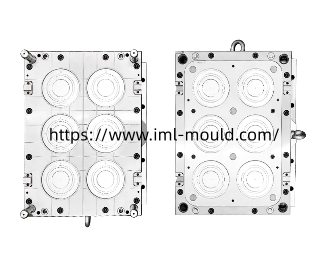
Plastic Container Mould projects require careful planning before production begins. Buyers need to consider more than the quoted price or expected delivery date. Product dimensions, resin properties, structural design, machine compatibility, and future output targets all influence the final result. A detailed review helps purchasing teams identify technical risks early and establish clear expectations with the supplier.
Confirm Product Drawings and Technical Requirements
The first step is to prepare complete product information. Buyers should provide 2D drawings, 3D files, sample dimensions, material specifications, and details about the intended application. If the design is still under development, the supplier should identify areas that may need adjustment before machining starts.
Pay particular attention to wall thickness, corner radii, draft angles, ribs, reinforcing features, and surface requirements. These details influence material flow, shrinkage, cooling, and part release. Small design changes can affect tooling complexity, so they should be reviewed before the final quotation is approved.
Buyers should also define dimensional tolerances and functional requirements. For example, stacking stability, lid compatibility, sealing performance, and appearance may be important depending on the finished product. Written specifications make it easier for both parties to evaluate samples against the same standards.
Evaluate Material and Steel Selection
Material selection affects the production process and the expected service conditions. Buyers should identify the intended resin grade rather than relying only on a general material name. Different grades may have different flow characteristics, shrinkage rates, and temperature requirements.
The supplier should explain how the selected resin affects gate placement, cooling arrangements, and surface treatment. If alternative materials may be used in the future, discuss their compatibility before the design is finalized.
Steel selection also deserves attention. Ask for the proposed steel grade, hardness requirements, heat treatment method, and reasons behind the selection. These details should correspond with the expected production volume, resin characteristics, and maintenance plan. Buyers should request a clear specification instead of accepting a general statement about durability.
Review Cavity Layout and Structural Design
Cavity quantity has a direct relationship with output, machine requirements, and investment. A higher cavity count may increase production capacity, but it also creates additional demands for balanced filling, temperature control, and part release.
Ask the engineering team to explain the proposed layout and runner system. For multi-cavity projects, the design should consider whether each cavity can receive material consistently. Uneven filling may lead to differences in weight, dimensions, or surface appearance.
Other structural details deserve review as well. These include guide components, inserts, slides, venting positions, parting lines, and access for routine maintenance. Buyers should also confirm whether the proposed structure fits the available injection machine, including platen dimensions, clamping capacity, and injection requirements.
Examine Cooling and Ejection Arrangements
Cooling performance affects both cycle time and finished-part consistency. Poor temperature distribution may contribute to warpage, uneven shrinkage, or longer production cycles. Buyers should request an explanation of the cooling circuit layout and ask how critical areas will be controlled.
The design should balance production speed with dimensional stability. A short cycle target is useful only when the finished parts continue to meet the agreed specifications. During the trial stage, review cooling conditions together with sample dimensions and appearance.
Ejection is another important point. Thin-wall products can bend, stick, or develop visible marks if the release system is not properly designed. Ask whether ejector pins, stripper plates, air assistance, or other mechanisms are appropriate for the product geometry. The supplier should also explain how the system will operate during repeated production cycles.
Request Trial Samples and Inspection Records
Production equipment should be evaluated through actual trial results rather than design documents alone. Before approval, agree on the machine conditions, resin grade, sample quantity, and inspection criteria.
Samples should be checked for dimensions, weight, wall thickness, surface finish, flash, deformation, and functional performance. For multi-cavity tooling, request samples from each cavity so that differences can be identified. If the finished product needs to fit another component, include a practical assembly or compatibility test.
Buyers should also request supporting records, such as dimensional reports, trial parameters, cycle-time observations, and photographs. These documents provide a reference for later production and help clarify any adjustments required before shipment.
Clarify Delivery and After-Sales Support
Before placing an order, confirm the project schedule and the responsibilities of both parties. The agreement should identify design approval, machining milestones, trial arrangements, sample acceptance, final inspection, and shipment preparation.
Maintenance information is equally important. Ask for a spare-parts list, lubrication guidance, cleaning instructions, and recommended inspection intervals. Buyers should understand how to contact the supplier if technical questions arise after installation.
Communication should continue throughout the project. When a drawing revision, material change, or production requirement affects the original plan, both sides should review the impact before proceeding.
Make the Final Decision With Clear Criteria
Choosing a supplier involves technical evaluation, production planning, and communication. Buyers should compare proposals according to design understanding, material recommendations, structural planning, trial evidence, delivery arrangements, and ongoing support rather than focusing on price alone.A clear specification and documented acceptance process can help reduce misunderstandings throughout the project. For buyers reviewing packaging tooling options, kingschains provides a starting point for discussing product requirements and manufacturing details. Visit https://www.iml-mould.com/ to review the available product information and discuss your project needs.
Catégories
Lire la suite
US Oil and Gas Logistics Market outlook remains positive as energy exports, infrastructure modernization, and demand for integrated supply chain solutions expand. Strategic partnerships among logistics providers, energy producers, and terminal operators are expected to shape competition and long-term market opportunities. The Oil and Gas Logistics Market plays a crucial role in...

Research suggests the Boiler Control Market Share is distributed among a moderately consolidated competitive landscape, with the top five players holding an estimated 40–48% combined revenue share. The market, valued at approximately USD 4,180 million in 2025 and forecast to reach USD 7,550 million by 2035, presents a competitive environment where success depends on software...

Pinco казино можно рассматривать как платформу, где всё завязано на довольно простом и понятном игровом процессе без лишних усложнений. Здесь стараются держать баланс между классическими форматами и более современными механиками, чтобы пользователь мог выбрать то, что ему ближе по стилю игры.Если разбирать внутреннюю структуру, то основное место занимают игровые автоматы. Это самый большой...
The Nanocrystalline Cores Market is gaining momentum as power-electronics manufacturers seek compact magnetic components with low core losses, high permeability and strong thermal stability. According to Semiconductor Insight, the market is projected to grow from US$ 515 million in 2026 to US$ 1,573 million by 2034, registering a CAGR of 13%. Get Full Report...
Modern floor cleaning machines need to combine strong cleaning action with smooth and dependable movement, especially when they are used across large commercial or industrial spaces. In this environment, floor washing machine magnetic tiles can play an important role inside motor systems, while carefully selected Floor Washing Machine Magnetic Tiles can support stable rotation, efficient...