


Inside Modern Pump Manufacturing: Materials, Technology, and Quality
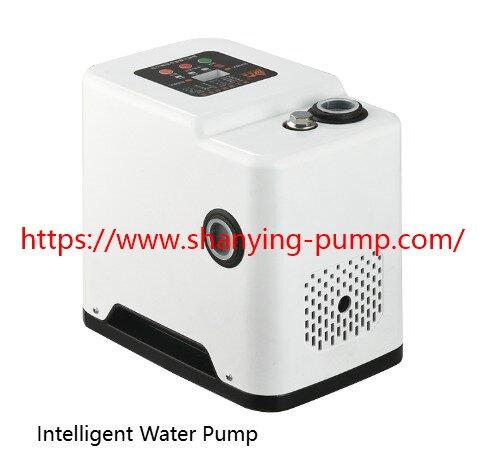
The quality of water pumping equipment is closely connected to the manufacturing processes behind it. From agricultural irrigation and household water supply to industrial drainage and environmental projects, different applications require dependable equipment and consistent production standards. When evaluating a Submersible Pump Factory, buyers should look beyond product appearance and catalogue descriptions. Material selection, component processing, production organization, technical development, and quality management all contribute to the reliability of the finished product and the manufacturer's ability to support different market requirements.
Material selection is one of the earliest considerations in pump manufacturing. A pump operates in direct contact with water or other liquids, meaning its housing and internal components must suit the intended working environment. Cast iron is frequently selected for structural components because of its mechanical strength and ability to support demanding applications. Stainless steel offers useful corrosion resistance and is often considered for products intended for environments where material compatibility and surface condition matter. Engineering plastics and other specialized materials may also be incorporated into selected components to meet particular design requirements.
The choice of materials should be based on the intended application rather than purchasing cost alone. Different water sources may contain sand, suspended particles, dissolved substances, or other materials that influence component wear. Manufacturers need to consider these conditions when developing product structures and selecting suitable materials. Consistent incoming material inspection also helps maintain manufacturing standards and reduces the possibility of quality problems developing during later production stages.
For buyers, selecting a manufacturing partner requires a broader understanding of the supplier's capabilities. Product variety is one consideration, but it should be evaluated alongside manufacturing experience, production organization, quality inspection, and communication efficiency. A supplier serving agricultural, household, industrial, and environmental applications may offer a wider understanding of different pumping requirements. Buyers should also consider whether the manufacturer can provide product recommendations, technical documentation, packaging support, and assistance with market-specific requirements.
Another important purchasing consideration is the manufacturer's ability to maintain consistency across production orders. Distributors and importers often need equipment that delivers a predictable level of quality when replenishing inventory or developing their own product ranges. Clear manufacturing procedures, organized component management, and systematic inspection can help establish this consistency. Communication before an order is placed is equally valuable because it allows both parties to clarify application conditions, product configurations, and delivery expectations.
Modern pump production depends on coordination between mechanical engineering, motor manufacturing, hydraulic design, and electrical systems. The motor provides the driving force, while the hydraulic structure determines how energy is transferred to the liquid. The pump casing, impeller, shaft, and sealing components must work together as an integrated assembly. Even when individual components are manufactured to a good standard, poor coordination during assembly can influence the operation of the finished equipment.
Manufacturing technology also affects how efficiently products can be developed and improved. Production equipment supports consistent component processing, while testing facilities help manufacturers evaluate product conditions before shipment. Inspection throughout different manufacturing stages allows potential issues to be identified earlier rather than relying exclusively on a final visual examination. Research and development activities further help manufacturers respond to changing customer expectations and explore improvements in product structure, energy use, and operational convenience.
User experience begins before the pump reaches its final application. Buyers value products that are straightforward to transport, install, connect, and maintain. Clear labeling, understandable documentation, practical connection arrangements, and accessible maintenance components can make a meaningful difference for distributors, installation teams, and end users. For international customers, communication with the manufacturer is another important part of the experience. Timely responses, accurate product information, and dependable after-sales assistance can make cooperation more efficient throughout the purchasing process.
Product design also reflects the manufacturer's understanding of real working environments. A compact housing may simplify installation in restricted spaces, while a carefully arranged inlet and discharge structure can support integration with different piping systems. External surface treatment, component positioning, and protective construction contribute to the overall product finish. Good design should balance practical functionality with ease of handling instead of focusing exclusively on visual appearance.
Manufacturers also need to consider how different customers use and distribute their products. Wholesalers may prioritize consistent product presentation and packaging, while engineering contractors may pay greater attention to installation arrangements and application suitability. Private-label customers may require additional coordination involving product appearance, packaging, and documentation. Flexible manufacturing management helps suppliers respond to these different business requirements without overlooking product consistency.
Taizhou Shanying Pump Co., Ltd. integrates research and development, production, sales, and service within its pump manufacturing business. Its product portfolio includes deep well submersible pumps, stainless steel screw pumps, general submersible pumps, and submersible sewage pumps. The company also emphasizes material selection, manufacturing management, product testing, and customer support when serving different water handling applications. Buyers, distributors, and potential business partners interested in exploring its manufacturing capabilities and product offerings can visit https://www.shanying-pump.com/ for further information.
Kategorien
Mehr lesen
The XGS PON Stick Market research report has been crafted with the most advanced and best tools to collect, record, estimate, and analyze market data. The report also sheds light on the market overview in its entirety touching diverse aspects like product definition, prevailing vendor landscape, and market segmentation. Through the comprehensive and systematic market research study, the report...

US Fastening Power Tools Market is highly competitive, with leading brands focusing on innovation, ergonomic design, and smart features like Bluetooth connectivity and torque control. E-commerce expansion and growing DIY culture are further widening the customer base across the country. The Fastening Power Tools market size is expected to reach US$ 6.24 Billion by 2034 from US$ 3.89...

Choosing suitable wound care materials requires attention to product structure, material characteristics, packaging, and intended application. For distributors and healthcare procurement teams, working with a capable Gauze Product Factory can make product sourcing more organized, while selecting the right Gauze Product Factory also involves evaluating specifications, processing methods, quality...
According to Market Research Future, the global cruiser bike market is on a significant growth path, projected to reach USD 132.55 billion by 2035. A defining feature of these iconic motorcycles is Cruiser bike seating . Unlike sportbikes, which prioritize an aggressive, forward-leaning posture, cruiser seats are designed for a relaxed, feet-forward riding position that provides...

May possibly 12th for the Utah Jazz and Jazz enthusiasts may well be the working day of exultation and jubilation, or it could possibly be the working day that delivers mourning and wars concerning 1 an additional. At present, the Utah Jazz keep on being tied for the easiest likelihood toward land Cooper Flagg at 14%, which means they contain an 86% opportunity in the direction of skip out upon...