What Should Buyers Inspect in a Veneer Door Before Ordering?

Veneer Door selection involves several manufacturing details that buyers may not notice when they focus only on appearance. For importers, distributors, contractors, and interior project purchasers, material preparation, panel composition, bonding quality, and surface treatment all deserve attention. Reviewing these factors before ordering can help buyers communicate specifications clearly and assess whether a proposed product is suitable for the intended application.
Check the Moisture Condition of Wood Materials
Wood is a natural material that can respond to changes in temperature and humidity. Its moisture condition may influence dimensional stability, processing, and the performance of the finished panel. Buyers should therefore ask how the manufacturer stores and prepares wood materials before production.
For projects involving several rooms or buildings, consistent material preparation is worth discussing. Purchasers can ask whether moisture conditions are checked before processing and whether the factory follows documented procedures for material storage.
The installation environment should also be considered. Interior spaces with different ventilation and humidity conditions may require different material considerations. Sharing the project location and expected indoor conditions with the manufacturer can help both parties discuss suitable specifications.
Review Grain Direction and Pattern Coordination
Natural wood patterns vary in color, line direction, texture, and visual character. These differences can influence how several panels look when installed in the same space.
Buyers should identify the preferred wood species and grain appearance before requesting a quotation. Straight patterns, curved lines, and varied natural markings create different decorative effects. The selected style should coordinate with flooring, furniture, wall colors, and other interior elements.
For larger projects, ask whether the manufacturer can arrange similar tones and grain directions across multiple units. Physical samples are useful for comparing the actual appearance under natural and artificial lighting. If a particular pattern arrangement is required, provide reference photographs or design drawings before production begins.
Examine Panel Composition and Structural Details
The visible surface does not explain the complete construction of a finished panel. Buyers should request information about the core material, supporting layers, overall thickness, and internal arrangement.
Different substrates may have different weight, machining, and installation characteristics. Purchasers should explain the intended application so the manufacturer can discuss available configurations. They can also ask whether the front and reverse sides use corresponding materials and whether the proposed structure matches the approved sample.
For customized projects, a written specification sheet is helpful. It should identify the material type, panel dimensions, thickness, surface requirements, and any special processing details. This document gives the buyer and manufacturer a shared reference during production.
Ask About Adhesive Bonding and Pressing Methods
The bonding process connects the decorative wood layer with the supporting structure. Buyers can ask which adhesive system is used, how materials are prepared, and how pressing conditions are managed.
Uneven application, unsuitable preparation, or inconsistent processing may contribute to surface bubbles, loose edges, or visible irregularities. Purchasers do not need to manage factory operations themselves, but they should understand the basic production controls used by the supplier.
It is also useful to ask how finished panels are checked for bonding consistency. A manufacturer that can explain its inspection procedures gives buyers a clearer understanding of how production quality is monitored.
Compare Coating Options and Maintenance Requirements
Surface treatment affects color, sheen, texture, and routine care. Buyers should compare available finishes and confirm whether the selected coating suits the intended indoor environment.
Matte, satin, and glossy finishes create different visual effects. The choice should coordinate with the selected wood pattern and the overall interior design. Purchasers can request finished samples to examine color consistency, surface smoothness, and visible marks before approving a specification.
Maintenance instructions should also be discussed. Ask which cleaning methods are recommended and whether particular chemicals or abrasive materials should be avoided. This information can help property managers and end users maintain the appearance of installed products.
Confirm Measurements and Custom Processing
Accurate measurements are important for production and installation coordination. Buyers should prepare the required height, width, thickness, frame dimensions, opening direction, and hardware positions.
If a project involves non-standard sizes, provide technical drawings and site measurement records. The manufacturer can then review whether the requested dimensions and processing details are available within its production arrangements.
Hardware preparation should be confirmed before production. Hinge positions, lock locations, handle arrangements, and other machining requirements need to match the selected accessories. Any revisions should be recorded in updated drawings and approved by the relevant project contacts.
Establish Sample Approval and Batch Inspection
Sample approval gives both parties a practical reference before a bulk order proceeds. Buyers should compare the sample with the confirmed specifications, including material appearance, color, surface texture, edge treatment, and structural details.
Inspection standards should be written clearly. They may cover dimensional variation, visible scratches, surface bubbles, bonding condition, color differences, and packaging condition. For larger orders, purchasers can discuss inspection photographs, batch records, and pre-shipment checks.
Packaging arrangements should also be confirmed. Protective materials, corner protection, surface separation, moisture barriers, carton labels, and pallet requirements can be discussed according to the shipping route. Clear instructions help the supplier prepare goods for transportation and make receiving procedures easier to organize.For distributors, contractors, and project purchasers, a structured evaluation process can make product selection and order communication easier to manage. kingsdoorbest provides wooden interior product information for buyers reviewing different material and design requirements. Visit https://www.kingsdoorbest.com/ to view the company's product range and contact its team about available finishes, customized specifications, samples, and manufacturing arrangements.
Categorie
Leggi tutto
The modern industrial landscape is currently defined by a relentless drive toward automation, precision, and efficiency, making reliable energy management more critical than ever before. Central to this transformation is the Industrial Power Supplies Market, which serves as the silent engine room for the complex robotic systems, smart manufacturing lines, and data-centric infrastructure...

The Nanocrystalline Cores Market is gaining momentum as power-electronics manufacturers seek compact magnetic components with low core losses, high permeability and strong thermal stability. According to Semiconductor Insight, the market is projected to grow from US$ 515 million in 2026 to US$ 1,573 million by 2034, registering a CAGR of 13%. Get Full Report...

The provision of flexible cooling capacity for construction projects, events, and temporary facilities is being enabled by temporary cooling systems that can be deployed rapidly and removed when no longer needed, avoiding the capital investment and long-term commitment of permanent installations. Analysis presented by Market Research Future reveals that as project-based work increases,...

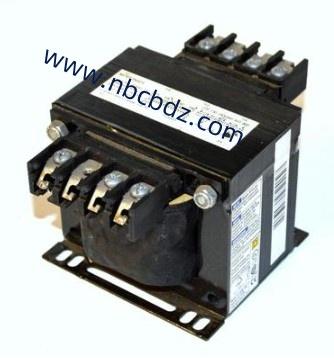
Square Transformer Factory provides magnetic electrical components used for voltage conversion and circuit separation in industrial equipment. These devices transfer electrical energy between separate windings through electromagnetic induction and can help adapt an available supply to the requirements of connected machinery. Industrial installations often contain several electrical sections...
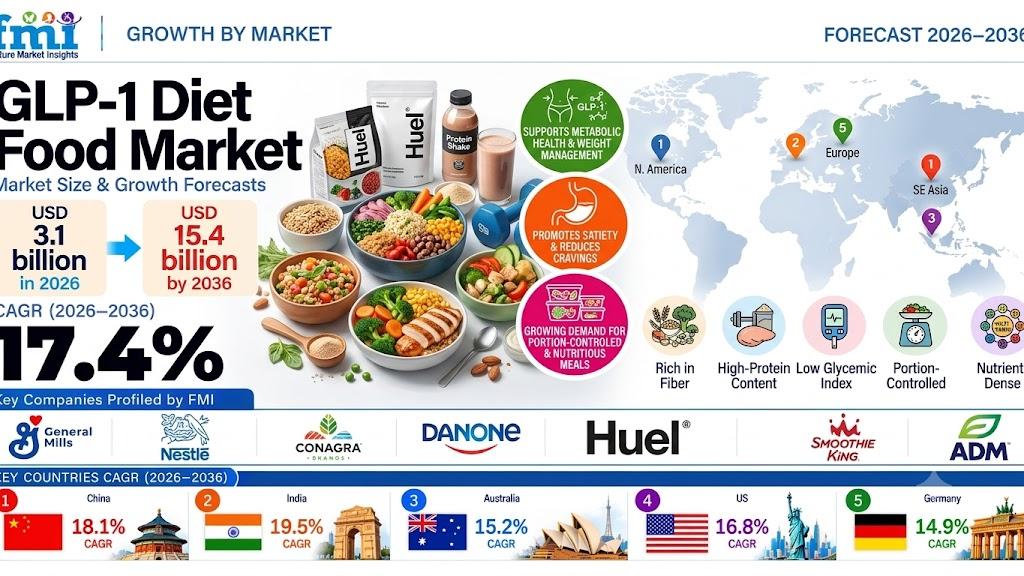
GLP-1 Diet Food Market Size to Reach USD 15.4 Billion by 2036, Growing at 17.4% CAGR NEWARK, Del., October 22, 2026 — The global GLP-1 Diet Food Market is gaining momentum as food manufacturers, nutrition brands, and retailers respond to changing dietary preferences among consumers using GLP-1 medications for weight management. According to the latest market intelligence report...