


Choosing Hydrogen Inhalation Equipment: Performance, Maintenance, and Compliance
Selecting specialized gas-generation equipment requires more than comparing product appearance or advertised output. Organizations considering hydrogen inhalation machines need to examine technical specifications, safety controls, maintenance requirements, intended use, and regulatory status. A structured evaluation can help buyers understand whether a particular system is suitable for their operational environment.
The Hydrogen Inhalation Machine Market includes devices with different generation mechanisms, output specifications, monitoring systems, and delivery configurations. Buyers should first establish the intended application and determine which technical and regulatory requirements apply. Equipment designed for research may not be appropriate for medical use without the necessary authorization.
Performance specifications are an important starting point. Organizations can review gas output, operating conditions, monitoring capabilities, and the manufacturer's testing documentation. Specifications should be clear and supported by appropriate evidence. Buyers should avoid assuming that higher output or additional features automatically indicate better suitability.
Safety features deserve close attention. Hydrogen is flammable, so users should examine the equipment's leak prevention measures, ventilation requirements, electrical protections, operating limits, and emergency procedures. Installation instructions should clearly explain environmental and facility requirements.
Maintenance can influence long-term operating costs. Components may require inspection, cleaning, replacement, or periodic servicing. Buyers should ask about maintenance schedules, availability of spare parts, technical support, and the qualifications required for service work. A dependable support arrangement can help reduce operational interruptions.
Regulatory compliance is another essential factor. Product classification and authorization can differ across jurisdictions and intended uses. Organizations should verify whether the equipment meets relevant requirements and whether the manufacturer's claims accurately reflect its approved purpose.
Training and documentation should also form part of procurement decisions. Staff need to understand setup, operation, inspection, troubleshooting, and safety procedures. Clear manuals and accessible technical support can improve equipment management.
The most appropriate hydrogen inhalation system is one that meets a defined technical need while satisfying safety and regulatory requirements. Careful review of performance, maintenance, and compliance can help organizations make informed purchasing decisions.
People Also Ask
1. What should buyers check before purchasing a hydrogen inhalation machine?
They should review intended use, technical specifications, safety features, regulatory status, maintenance, and service support.
2. Do hydrogen inhalation machines need regular maintenance?
Yes. Maintenance should follow the manufacturer's instructions and applicable safety requirements.
Tags: Hydrogen Inhalation Machine Selection, Equipment Procurement, Hydrogen Generator Maintenance, Gas Safety, Regulatory Compliance, Technical Specifications
Kategorien
Mehr lesen
Examining the global cryogenic tank market, covering comprehensive solutions for low-temperature storage and transportation, key technologies including steel and nickel alloy tank systems, and the future outlook through 2035. The Cryogenic Tank Market represents the comprehensive landscape of low-temperature containment innovations, providing essential technologies that enable safe, efficient,...

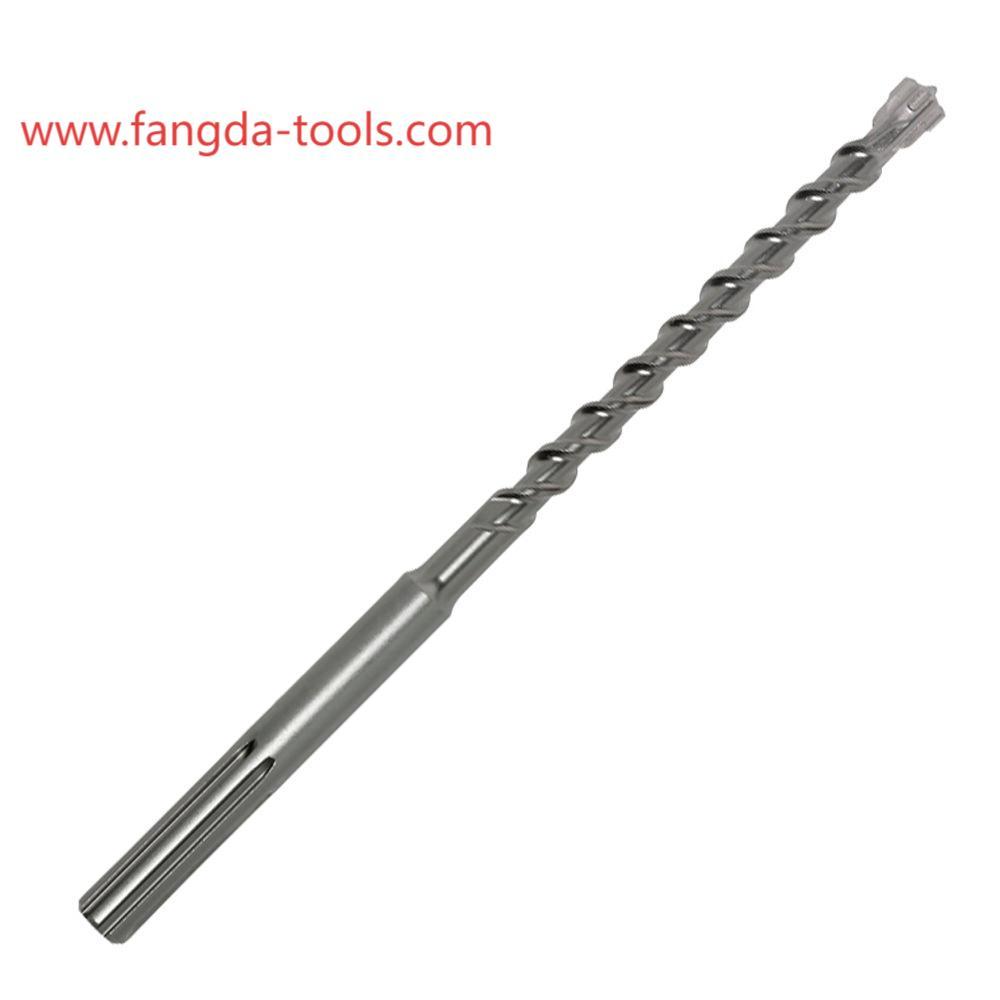
In construction and renovation work, choosing the right tools directly affects both efficiency and final results. The Fangda Hammer Drill Bit is widely used for penetrating dense surfaces such as concrete, brick, and stone. With a focus on durability and practical functionality, fangda-tools provides solutions tailored to meet the expectations of users who require steady performance in...
Lightweight structures require components that connect efficiently without compromising stability. Hollow Plug Pins play a significant role in this context. They allow different parts to fit together securely while keeping overall weight low, which is essential for both industrial and small-scale projects. Role in Assembly Though small, Hollow Plug Pins influence how assemblies function....

Y2Mate is a popular online tool that helps you download YouTube videos quickly. You do not need to install any software or app. It works directly in your web browser, making it simple for everyone to use. With Y2Mate, you can download videos in different formats and quality levels, including HD. It also works on mobile phones, tablets, laptops, and desktop computers. Main Features of Y2Mate...

The brain health supplements market in Italy is evolving, driven by science, consumer demand, and aging demographics. The future promises more evidence-based, personalized, and innovative products. Understanding these trends helps manufacturers, retailers, and consumers anticipate what is coming. Several developments will shape the field. Research into ingredients will refine understanding of...