How Does a Hard Seal Ball Match Valve Requirements?
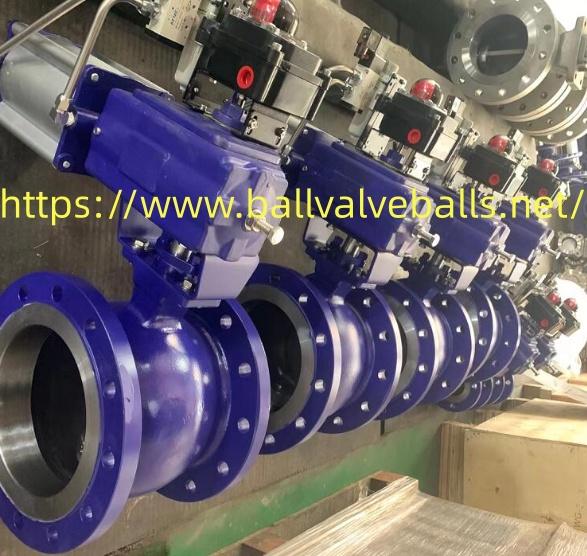
Hard Seal Ball selection requires buyers to consider the actual working conditions, valve structure, and technical requirements of their projects. A purchasing decision should not depend on dimensions or unit price alone. Material compatibility, machining accuracy, surface treatment, inspection procedures, and production communication all deserve attention. By preparing these details before requesting a quotation, buyers can make specifications clearer and reduce the possibility of mismatched components during assembly.
Identify the Intended Operating Conditions
Before contacting a supplier, buyers should collect basic information about the equipment. Relevant details include valve type, nominal size, pressure range, operating temperature, flow medium, and expected operating frequency. If the system handles corrosive substances or contains suspended particles, these conditions should also be explained.
Technical drawings should indicate important dimensions, tolerances, connection details, and surface requirements. When drawings are unavailable, an existing sample may provide a useful reference. However, buyers should consider whether the sample has changed through previous use, as wear or deformation may affect measurement results.
At ballvalveballs, buyers can begin project communication by providing drawings, samples, and application information. These materials help establish a shared understanding of the required specifications before production planning.
Select Materials According to the Application
Material selection affects corrosion resistance, mechanical properties, and service suitability. Stainless steel, alloy steel, and other engineering materials may be considered according to the operating medium, temperature, and pressure.
Buyers should request the specific material grade rather than relying on general descriptions. Material certificates and relevant technical information can help confirm whether the proposed option matches the project requirements.
It is also important to consider the relationship between the base material and the finishing process. Certain combinations may require additional technical evaluation. Discussing these details before production can help avoid changes after an order has entered the manufacturing stage.
Review Surface Treatment Options
Surface treatment influences friction, wear behavior, corrosion resistance, and contact conditions between mating components. Depending on the intended application, possible options include chrome plating, electroless nickel plating, tungsten carbide coating, and other engineered treatments.
Each process has different characteristics. Buyers should clarify the treatment method, coating thickness, surface roughness, and applicable inspection criteria. These requirements should be recorded in the approved drawing or technical agreement.
Compatibility with the valve seat is equally important. A surface solution should be evaluated together with the mating material and operating environment. Reviewing both components as a complete assembly can help buyers avoid selecting a treatment that does not suit the intended contact conditions.
Confirm Dimensional Accuracy
The geometry of a spherical component affects its fit within the valve assembly. Buyers should pay attention to outside diameter, roundness, spherical accuracy, surface roughness, and other critical dimensions shown in the drawing.
Ask the supplier how these measurements are controlled during machining and final inspection. Depending on the design, inspection may involve precision measuring instruments, surface testing equipment, and dedicated fixtures.
For replacement projects, the existing assembly should also be measured where possible. A replacement part needs to match the approved specification and installation requirements. If the original component has experienced significant wear, relying only on its current dimensions may result in an unsuitable replacement.
Examine Quality Inspection Procedures
A clear inspection plan helps buyers understand how finished products are evaluated. Relevant checks may include dimensional measurement, roundness inspection, surface roughness testing, material verification, and coating thickness measurement.
Before confirming an order, buyers should agree on the inspection items and acceptance criteria. They can also ask whether the supplier provides material certificates, dimensional reports, treatment records, and final inspection documents.
Batch identification is another useful detail. It connects delivered products with their corresponding production and inspection information. For maintenance projects or repeat purchases, traceable records can make product management and future communication easier.
Arrange Sample Approval and Delivery
Sample approval allows buyers to review an actual component before batch production. The sample should be checked against the drawing, material requirements, surface condition, and assembly dimensions. Any difference should be discussed and recorded before approval.
When a specification changes, both parties should confirm the updated drawing and revision details. This helps prevent outdated information from being used during production.
Packaging and delivery requirements should also be included in the purchase discussion. Buyers can confirm protective materials, product labels, quantities, shipping schedules, and accompanying documents. Proper protection is particularly relevant when finished surfaces may be affected by contact or moisture during transportation.
Evaluate Communication Before Placing an Order
A suitable manufacturing partner should be able to discuss drawings, material options, machining processes, inspection requirements, and customization details. Buyers can evaluate this capability during the quotation stage by checking whether responses address their actual technical questions.
Price should be reviewed alongside specification coverage, sample arrangements, documentation, production coordination, and delivery planning. Comparing these factors gives procurement teams a clearer picture of what each proposal includes.For buyers preparing a new valve project or sourcing replacement components, ballvalveballs offers a starting point for discussing product requirements and manufacturing arrangements. Visit https://www.ballvalveballs.net/ to review product information and contact the team with drawings, samples, or application details for further discussion.
Catégories
Lire la suite
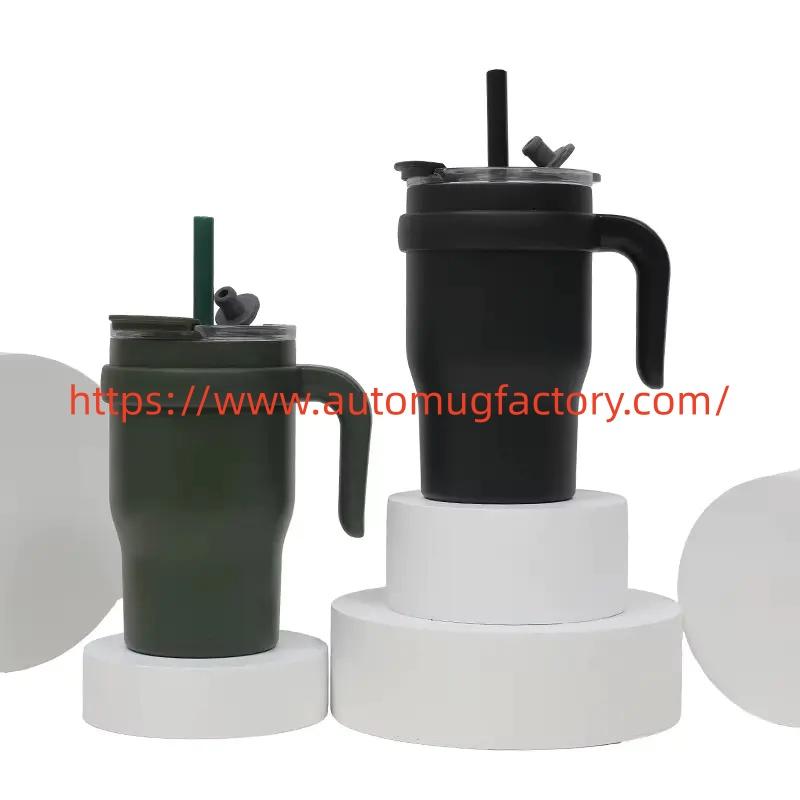
When reusable drinkware needs to combine temperature management with everyday convenience, an Insulated Drink Bottle can become more than a simple container. Its overall experience is shaped by the relationship between material selection, internal construction, closure design, handling, cleaning, and visual presentation. Yongkang Xiaoyu Industry & Trade Co., Ltd. develops insulated cups,...
Музыка — это не просто звуки, а часть идентичности, способ выразить свои вкусы и принадлежность к определённой культуре. Интернет-магазин ShowStaff.ru предлагает официальный мерч российских исполнителей и театральных шоу — от легендарных рок-групп до популярных мюзиклов. Это место, где настоящие поклонники находят вещи с историей и смыслом.Основу каталога составляет...

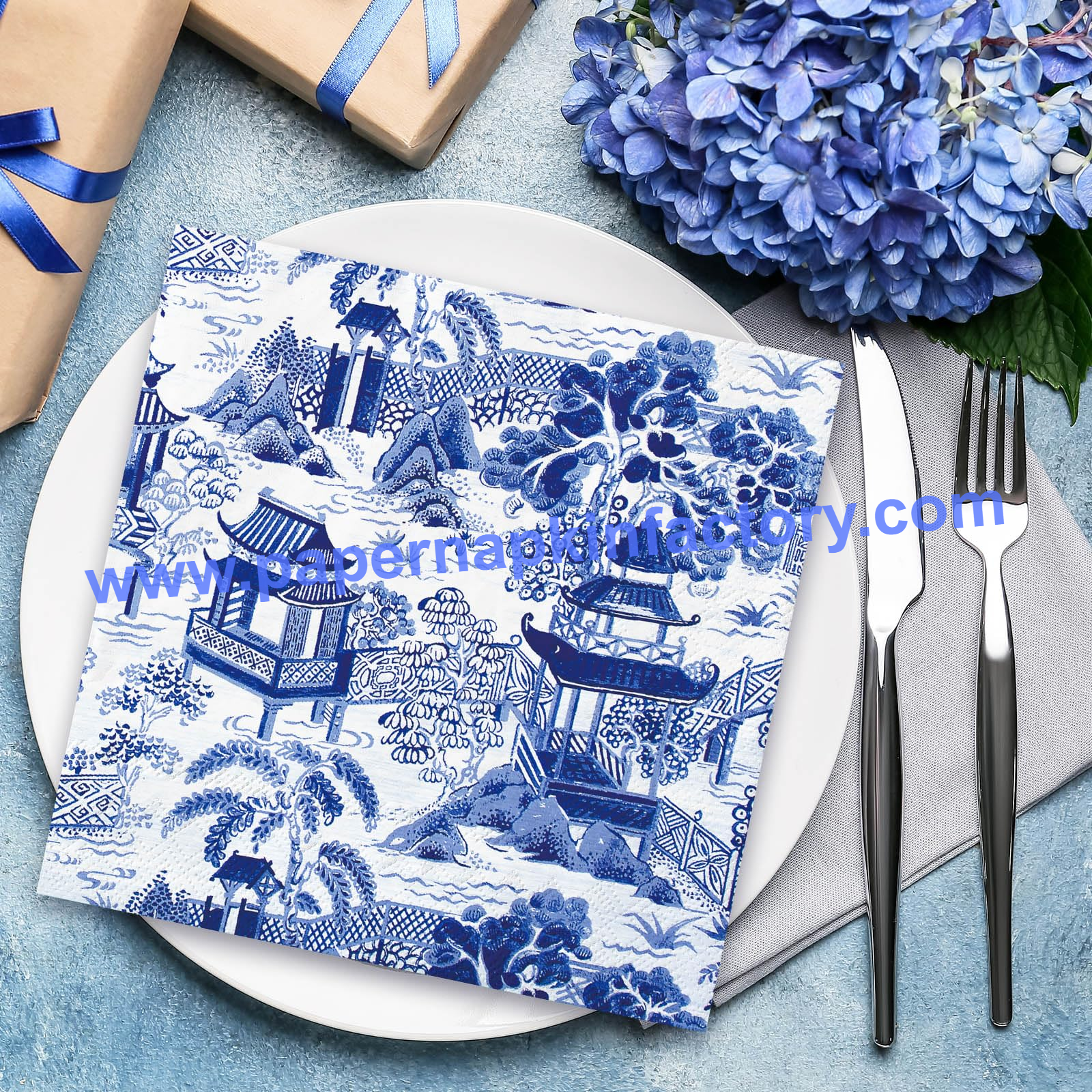
How Does a Party Printed Paper Napkins Manufacturer Adapt to Changing Consumer Preferences? Modern consumer behavior in the event and hospitality industry is constantly evolving, influenced by design trends, lifestyle changes, and personalized experiences. A Party Printed Paper Napkins Manufacturer plays an important role in responding to these shifts by transforming simple disposable products...
The demand for reliable and high-capacity Commercial Food Blending Equipment is surging as the hospitality industry seeks consistency, speed, and durability in food preparation. Restaurants, cafés, juice bars, and catering businesses rely on commercial-grade blenders to handle high-volume tasks, from silky purées and sauces to frozen cocktails and nut butters. These...
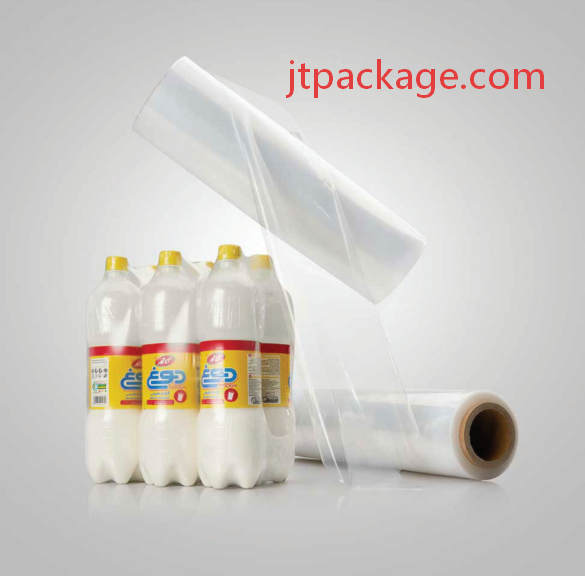
In modern packaging environments, Wrapping Films from jtpackage can serve as a practical solution for businesses handling products with different shapes, sizes, and presentation requirements. Packaging is not simply about covering an item; it is a coordinated process involving material selection, product preparation, equipment compatibility, handling, storage, and presentation. When these...