


Electric Pepper Grinder Technology: From Burr Geometry to Motor Control
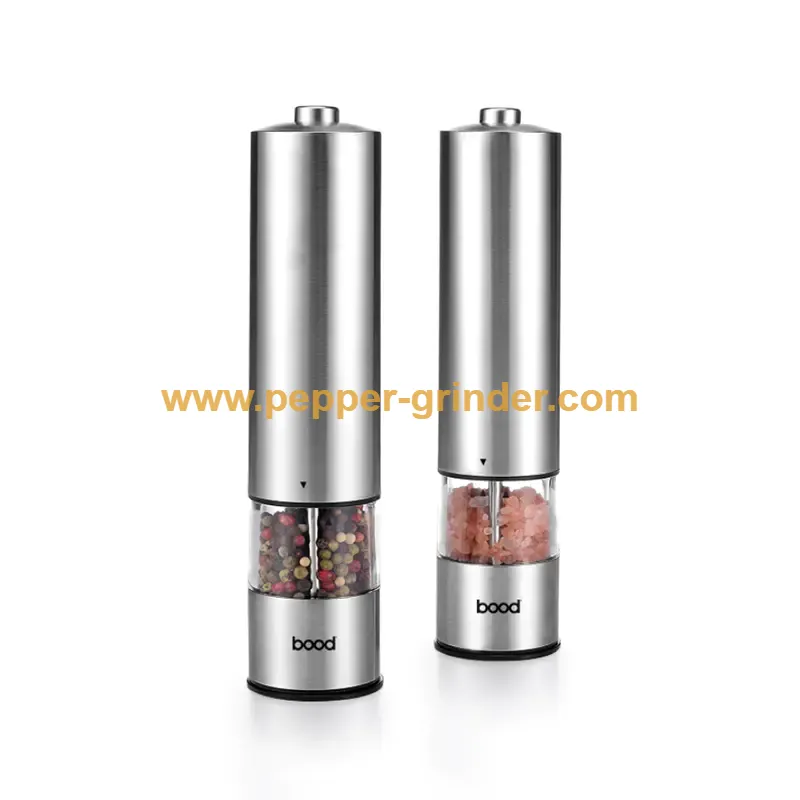
Freshly ground pepper releases aroma the moment it is crushed, and that fleeting burst of volatile oils is exactly what an Electric Pepper Grinder must protect. This is a harder job than it sounds: the grinding mechanism, the motor speed, and the way the device sits in the hand all influence how much flavor actually reaches the plate. Yongkang City, Zhejiang Province, China, a manufacturing base with deep roots in kitchen hardware, is where much of this category's engineering takes place, and where the difference between a grinder that seasons well and one that simply makes noise becomes clear.
From the materials standpoint, the grinding burr is the heart of the device. Ceramic burrs resist corrosion from peppercorns and salt, hold their edge longer, and stay cool during continuous grinding, while hardened steel burrs offer a sharper initial bite but can corrode if the device is also used for salt. The housing material matters too: stainless steel bodies feel solid and resist kitchen grease, while ABS plastic housings reduce weight and cost but can transmit vibration into the hand. The internal gear train and motor coupling deserve close attention, since these are the parts that fail first in lower-quality units. A robust coupling between motor and burr assembly ensures consistent grind size rather than a wobbling output that varies from coarse to fine within a single turn.
The buying guide angle begins with how the grinder will actually be used. A device meant for the dining table should be quiet, compact, and easy to refill, while one used at the stove during active cooking needs faster output and a body that can be wiped clean without fuss. Buyers should also consider whether the grinder will handle salt as well as pepper, since salt is far more aggressive on metal components and usually calls for ceramic burrs and stainless or ceramic contact surfaces. Battery versus rechargeable power is another decision that should follow routine: a rechargeable unit saves on disposable batteries but requires a charging habit, while battery-operated models suit occasional use and travel.
Function and technology converge on motor control and grind consistency. A well-designed grinder maintains a stable burr gap, so the output stays uniform rather than pulsing between coarse and fine. The motor should deliver steady torque without overheating during longer grinding sessions, and the activation mechanism—whether a button or a gravity sensor—should match natural hand movement. One-handed operation is a practical necessity in the kitchen, where the other hand is often holding a pan or a plate.
Design and appearance shape how the grinder lives on a countertop. A well-proportioned body, a transparent window for checking fill level, and a base that does not tip during use all contribute to daily satisfaction. The tactile experience matters as much as the visual: a button that responds cleanly and a burr assembly that clicks into position with confidence communicate quality before the first peppercorn is ground.
What separates a genuinely useful kitchen tool from a passing purchase is how little attention it demands once it earns its place on the counter. A well-built Electric Pepper Grinder should season food evenly, stay steady in the hand, and keep its grinding performance consistent through months of daily cooking—so the cook notices the flavor, not the device. Exploring a focused range of dedicated grinders at https://www.pepper-grinder.com/ makes it easier to compare how these qualities come together in practice.
الأقسام
إقرأ المزيد
Copper and copper alloys are essential materials across modern industrial and infrastructure systems because of their electrical conductivity, thermal performance, corrosion resistance, and mechanical versatility. They are used in electrical wiring, power distribution, construction components, automotive systems, industrial machinery, and electronic equipment. As economies invest in...

The global Interceptor Boats Fast Patrol Vessel Market is experiencing steady growth, driven by escalating maritime security threats and a global push for naval modernization. Valued at approximately USD 4.62 billion in 2024, the market is projected to reach USD 7.89 billion by 2035, reflecting a compound annual growth rate (CAGR) of 4.99% during the forecast period . This article...

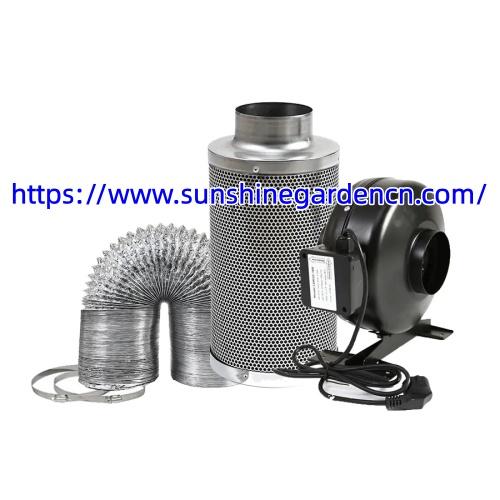
Grow Tent Kit Accessories are an important consideration for buyers preparing an indoor cultivation environment because individual components need to work together rather than operate as unrelated products. Current 2026 buying discussions frequently focus on airflow, environmental monitoring, lighting placement, timers, plant support, drainage, and compatibility between components. Recent...
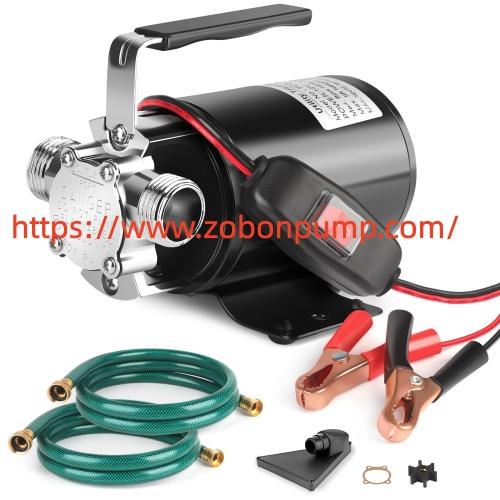
Portable Water Pump equipment can help homeowners, farmers, construction crews, and maintenance teams respond to unexpected water problems in different working environments. Heavy rainfall, leaking storage tanks, blocked drainage areas, and sudden water accumulation can interrupt daily activities and damage materials if they are not addressed promptly. Having suitable equipment available...
When the news of the appointment broke last September, a cross section of the contemporary commentariat clustered to condemn it: It was celebrity parentage and lack of formal cordwainer training that offended them. offers one of the clearest examples of this translation in action. But in recent years, those budgets have shrunk. For starters, it was all about making a statement. Because of this,...
