


From Material Selection to Finished Appearance: Understanding Vinyl Film
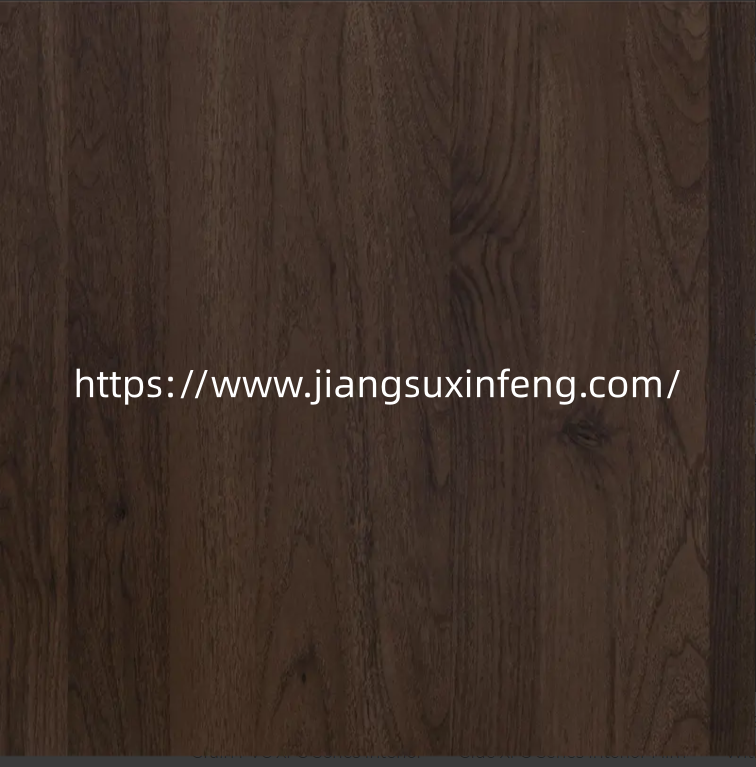
A surface often communicates the character of a product before its construction or purpose becomes clear. In furniture, interior spaces, displays, and manufactured components, the finish can shape how people perceive quality and style. Vinyl Film provides a flexible way to introduce color, texture, and visual detail to different surfaces, while also supporting practical production needs. Its role is not limited to decoration: the right film must also suit the substrate, application process, and environment in which the finished item will be used.
Vinyl film is commonly made from a flexible polymer material, with its composition adapted to the intended application. Formulation choices can influence flexibility, surface feel, printability, and handling characteristics. Depending on the product, the film may include colorants, stabilizing ingredients, or other components that support its processing and appearance. Buyers should avoid treating all vinyl films as interchangeable. A film designed for decorative furniture surfaces may differ from one intended for printed graphics or temporary display work. Understanding the material category and its intended use is an important starting point for choosing a suitable option.
The selection process becomes clearer when buyers define the practical requirements of a project. They should consider the surface receiving the film, whether it is flat or shaped, and how the material will be applied. The expected appearance also matters: a project may call for a solid color, a printed image, a natural-looking texture, or a finish that coordinates with other materials. Buyers can compare samples under the lighting conditions where the finished product will appear. They should also ask about compatibility with the intended substrate and processing method, since a visually attractive film may not be suitable for every production situation.
Manufacturing technology plays a central role in the film’s final characteristics. Processes such as calendering, printing, coating, embossing, and lamination can contribute to the film’s structure and surface effect. Calendering forms the material into a continuous sheet, while printing and embossing can introduce visual patterns or tactile details. Additional finishing steps may help achieve a specific appearance or support the film’s use in a particular application. The relationship between these processes matters: the film must maintain its intended visual quality while remaining compatible with the equipment and methods used by the customer.
Functional performance is best evaluated in relation to the finished product rather than in isolation. A decorative film may need to follow a shaped surface, maintain a consistent appearance across connected panels, or support a particular bonding process. In printed applications, the surface needs to work with the chosen printing method and preserve the clarity of the intended design. For interior uses, the film’s interaction with light, surrounding materials, and daily handling may influence the overall result. Reviewing the complete assembly and testing the material under realistic conditions can help identify concerns before full production begins.
The user experience depends partly on how manageable the film is during application. Cutting, positioning, forming, and bonding can each affect the quality of the finished surface. Clear handling instructions and suitable preparation methods help production teams work more consistently. Once applied, the film becomes part of an item’s everyday environment. Cleaning routines, contact with objects, and exposure to surrounding conditions may influence its appearance over time. Users should follow the care recommendations provided for the specific material and consider the expected maintenance needs before making a selection.
Design gives vinyl film a wide range of visual possibilities. Solid colors can create a simple and unified appearance, while printed patterns can suggest wood, stone, textile, or other surface references. Textured finishes add another dimension by changing how a surface looks and feels. Designers can use these effects to coordinate furniture with walls, doors, panels, or decorative accents. A restrained finish may support a quiet, contemporary interior, while a more expressive pattern can become a focal point. The film’s appearance should be selected in relation to the product’s shape, intended audience, and surrounding design elements.
Jiangsu Xinfeng Star Film Materials Co., Ltd. specializes in the research, development, and manufacturing of PVC calendered films, thermofoil decorative films, self-adhesive decorative films, and release liners. Its work with decorative film materials connects surface design with manufacturing and application considerations. For buyers evaluating vinyl-based film solutions, communicating the intended use, substrate, preferred texture, color direction, and processing method can help guide product selection and sample review. More information about the company and its film materials is available at https://www.jiangsuxinfeng.com/.
Catégories
Lire la suite
The ongoing evolution of semiconductor design is characterized by a fundamental transition from legacy bulk silicon toward advanced compound semiconductor technologies. Standard silicon components are approaching their theoretical physics limits in terms of breakdown voltage, operating temperature, and switching frequency. Insights gathered through comprehensive Power Semiconductor market...
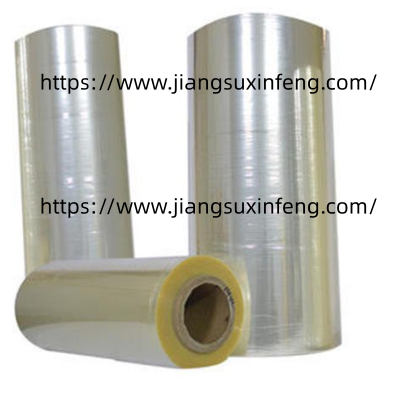
Surface materials influence the appearance, protection, handling, and overall character of many products, and choosing suitable PVC Lamination Film requires more than selecting a flexible layer with an attractive finish. Material selection, purchasing decisions, functional engineering, processing technology, user experience, maintenance, and visual coordination all affect how successfully a...
In high-risk industrial environments, communication is not a luxury—it is a lifeline. Every signal, every word, and every alert must pass through equipment that can withstand extreme conditions without becoming a source of danger. The DC Explosion-Proof Digital Telephone is engineered precisely for these demanding settings, where standard devices would fail and where safety...

The Specialty Carbon Black market is poised for transformative changes, with expert predictions indicating significant trends that will shape the industry by 2035. Expected to reach a market size of USD 9.007 billion, this sector is experiencing a compound annual growth rate (CAGR) of 10.0%. These compelling growth figures underscore the increasing demand across various sectors, particularly...

Feminine care is evolving, driven by consumer demand for safer, more sustainable products, advances in materials, and changing social attitudes. The future promises more options, greater transparency, and improved products that meet the diverse needs of women. Innovation is a key trend. New materials, including biodegradable and compostable options, are being developed. Product design is...