


Why Are Baixiao Expansion Shaft Solutions Used in Packaging Machinery
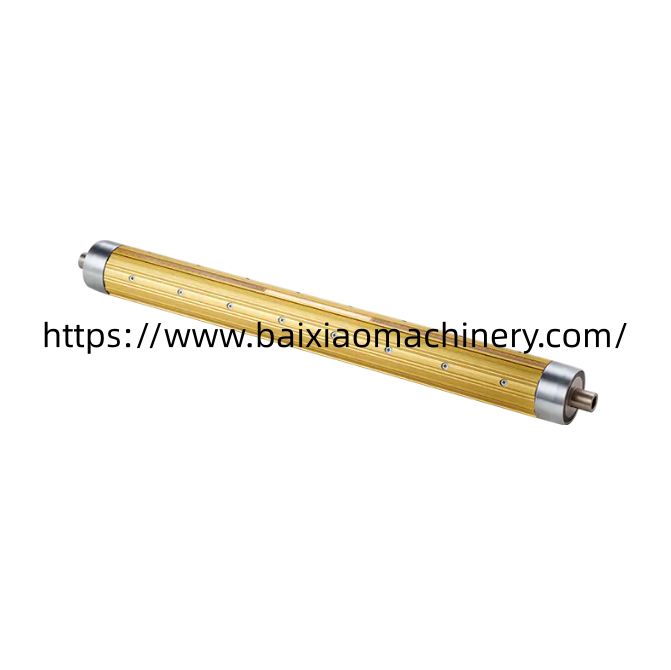
Expansion Shaft technology plays an important role in industrial processes involving the winding and unwinding of flexible materials. In printing, packaging, paper converting, and plastic film production, operators regularly need to secure material rolls during processing. A reliable gripping mechanism helps keep the material in position while machinery performs its assigned tasks. Although this component may not receive much attention during everyday production, its construction and operating principle deserve careful consideration when manufacturers select equipment accessories.
One interesting aspect of this product is the relationship between mechanical design and material selection. Different manufacturing environments place different demands on supporting components. Steel is commonly selected for applications requiring structural strength and rigidity, while aluminum may be considered when reducing component weight is an important design objective. The appropriate material depends on the equipment arrangement, working conditions, and characteristics of the materials being processed.
Material selection should also take the surrounding environment into account. Printing and packaging facilities may involve dust, moisture, ink residues, and repeated mechanical contact. Buyers should discuss corrosion protection, surface finishing, and maintenance requirements before confirming an order. These considerations help determine whether a particular construction is suitable for its intended application.
The gripping mechanism is another subject worth examining. Pneumatic designs commonly use internal air pressure to activate gripping elements. When air enters the internal chamber, the outer elements move outward and hold the paper or material core in position. Releasing the air allows these elements to return, making material removal more convenient.
Different structures provide different operating experiences. Key-type designs use movable gripping elements, while slat-type configurations distribute contact across multiple sections. Other designs may use specialized external gripping structures according to the equipment requirements. Each arrangement has its own characteristics, so buyers should evaluate how frequently rolls are changed and what type of material core is used during production.
For operators, convenient installation and removal can influence the daily workflow. Production lines that handle different materials may require regular roll replacement. A practical gripping system can make these changes easier to organize and reduce unnecessary manual adjustments. Operators should also consider whether the inflation connection is accessible and whether routine inspection can be completed without complicated procedures.
Compatibility is particularly important when purchasing replacement components. The internal diameter of the material core, machine connection structure, supported roll dimensions, and operating conditions all deserve attention. A product that appears suitable externally may still require adjustments if its connection arrangement does not match the existing equipment.
Buyers can prepare equipment drawings, photographs, or physical samples before contacting a manufacturer. These materials help clarify the required structure and connection details. Discussing the actual production process is equally useful because different applications may require different gripping arrangements.
Maintenance is another consideration that should not be overlooked. Pneumatic components contain several functional parts, including air connections, sealing elements, and movable gripping sections. Regular inspection can help operators identify air leakage, worn components, or unusual movement. Keeping connection areas clean and following appropriate maintenance procedures can also support consistent operation.
The manufacturing process contributes to the overall product experience. Machining accuracy, assembly procedures, material consistency, and inspection methods all influence the finished component. Buyers may wish to ask suppliers about production arrangements and quality inspection practices before placing an order. Clear communication is particularly valuable for customized products intended for existing machinery.
Customization is becoming an important consideration for businesses working with different production systems. A standard configuration may not always match a particular machine or material handling process. Some customers require specific connection arrangements, gripping structures, or customized construction according to their equipment drawings. Working directly with a manufacturer can help clarify these requirements before production begins.
Baixiao focuses on mechanical supporting components for printing, packaging, plastics, and paper processing machinery. Its product range includes pneumatic gripping systems, different structural configurations, related accessories, and other industrial components. With manufacturing experience in flexible packaging and coil processing applications, the company works with customers to discuss product structures and application requirements.
Another aspect worth considering is how this equipment fits into the wider production system. Material handling involves several connected stages, including unwinding, guiding, printing, coating, slitting, and rewinding. Each stage has its own mechanical requirements. Selecting compatible components can help maintain coordination between different sections of the production line. This is particularly relevant for manufacturers handling multiple material types or operating machinery with different configurations.
Appearance and construction details also contribute to purchasing decisions. A clearly organized external structure can make product inspection and routine handling more straightforward. Connection placement, component accessibility, and the arrangement of mechanical elements are practical design details that deserve attention alongside functional requirements.
For industrial buyers, the purchasing process should begin with a clear understanding of the intended application rather than focusing on appearance alone. Material properties, gripping methods, machine compatibility, maintenance arrangements, and customization possibilities should all be discussed with the supplier. Baixiao provides mechanical component options for businesses involved in printing, packaging, and other roll processing operations. Manufacturers and distributors interested in comparing available designs, discussing customized requirements, or selecting suitable products for their machinery can visit https://www.baixiaomachinery.com/product/ to view the product catalogue and connect their purchasing decisions with actual production needs.
Kategorien
Mehr lesen
The Drone Delivery Service Market is witnessing strong growth as e-commerce companies increasingly seek faster and more efficient delivery solutions. The demand for same-day delivery, coupled with rising consumer expectations for rapid shipment, has made drones an attractive option for last-mile logistics. Companies are exploring automated aerial delivery systems to reduce operational costs...

Introduction About Lineth Beerensteyn Lineth Beerensteyn is a Dutch professional footballer who has built a reputation as a forward with a sharp eye for goal and a fearless approach to attacking play. Her energy, movement, and confidence in the final third make her a player defenders find difficult to contain. As a striker, Beerensteyn stands out for her pace, direct running, and intelligent...
Electrocardiography (ECG) is one of the most fundamental tools in cardiac care, providing critical information about the heart's electrical activity and enabling the diagnosis of a wide range of cardiovascular conditions. At the heart of every ECG reading are the electrodes, the small conductive pads that attach to the patient's skin and transmit electrical signals to the monitoring device. The...
Point of Care Testing (POCT) has moved from a niche convenience to a central pillar of modern diagnostics. Rapid tests delivered at the bedside, in clinics, and increasingly in patients' homes demand devices that are small, intuitive, and manufacturable at scale—often with short development cycles. This is fundamentally different from the large, stationary analysers that defined the IVD...
A dog harness with handle is one of those products you don’t fully appreciate until you’ve used it for a while. At first glance, it looks like a simple upgrade from a standard harness, but once you start walking, training, or traveling with your dog, the difference becomes obvious. The handle adds a layer of control, communication, and reassurance that feels surprisingly natural....