


Dry-Run Solutions from ZhanBo Chinese Diaphragm Pump Manufacturer
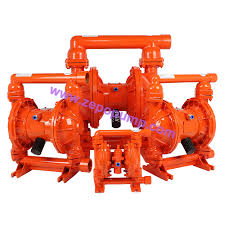
Process engineers who manage transfer systems with fluctuating fluid levels or intermittent suction frequently need pumps that can clear air from the inlet line and continue operating when liquid is temporarily absent. The core requirement is a design that both self-primes effectively and tolerates periods of dry running without overheating or damaging elastomers. In this context a Chinese Diaphragm Pump Manufacturer such as zepopump addresses the dual demand through the inherent characteristics of positive-displacement diaphragm technology combined with material and valve selections suited to air-liquid transitions. Does the resulting configuration actually sustain reliable operation once dry intervals occur during normal production?
Self-priming capability arises from the way the diaphragm and check valves interact. Reciprocating motion of the diaphragm creates alternating low- and high-pressure zones within the fluid chambers. When the inlet side is filled with air, the low-pressure phase draws that air into the chamber; the subsequent high-pressure phase expels it through the outlet check valve. Because the displacement volume is fixed and the valves seat positively, the pump progressively evacuates the suction line until liquid arrives and continuous flow begins. No external priming water or vacuum assist is required.
Dry-run tolerance follows from the separation between the driving mechanism and the pumped fluid. In air-operated models the compressed-air motor runs independently of the presence of liquid; the diaphragms simply cycle against air until fluid reappears. Even in electrically driven versions, the absence of close-fitting rotating parts that rely on liquid for lubrication or cooling means that short dry periods do not generate destructive friction or heat. Elastomer diaphragms selected for the duty retain flexibility and sealing integrity across repeated air-liquid cycles.
Valve design contributes additional resilience. Ball or flap check valves that close under their own weight or light spring force prevent backflow while allowing free passage of both air and liquid. Materials chosen for the valve seats resist the abrasion that can occur when solids are present and the chemical attack that might accompany aggressive fluids. The combination keeps the priming path intact even after many start-stop or dry-wet transitions.
Material compatibility extends the practical range of dry-run applications. Diaphragms and seals formulated from PTFE, Santoprene, or specialized elastomers withstand both the thermal rise that can accompany dry operation and the chemical exposure that occurs once liquid flow resumes. Housings in aluminum, stainless steel, or engineered plastics provide structural support without adding unnecessary weight. These choices allow the same pump to serve in chemical transfer, wastewater handling, or food-process duties where suction conditions vary.
Operational simplicity supports adoption in plants that lack constant supervision. Once installed with a flooded or partially filled suction line, the unit begins moving fluid as soon as the drive is activated. If the supply tank empties, the pump continues cycling harmlessly until liquid is restored, at which point flow resumes without manual intervention. This behavior reduces the need for level sensors or automatic shut-off devices in many installations.
Selection of a self-priming, dry-run-capable unit therefore rests on verified suction-lift data, elastomer compatibility charts, and demonstrated cycle life under mixed air-liquid conditions. Manufacturers who publish performance curves that include priming time and dry-run duration give engineers the quantitative basis for system design. A modular construction that permits diaphragm and valve replacement further extends service life without requiring complete unit exchange.
Facilities that face intermittent fluid availability find that the positive-displacement diaphragm principle, when paired with appropriate materials and valve geometry, supplies both self-priming action and dry-run resilience, and a Chinese Diaphragm Pump Manufacturer such as zepopump applies this principle across its range while the full product selection can be examined at https://www.zepopump.com for technical specifications and application examples.
Категории
Больше
The South America Softgel Capsule Market is on a steady growth trajectory, and understanding the key drivers behind this expansion is essential for stakeholders across the pharmaceutical and nutraceutical spectrum. Several factors are converging to create a thriving market for softgel capsules. From increasing health awareness to the expansion of retail channels and regulatory support for...

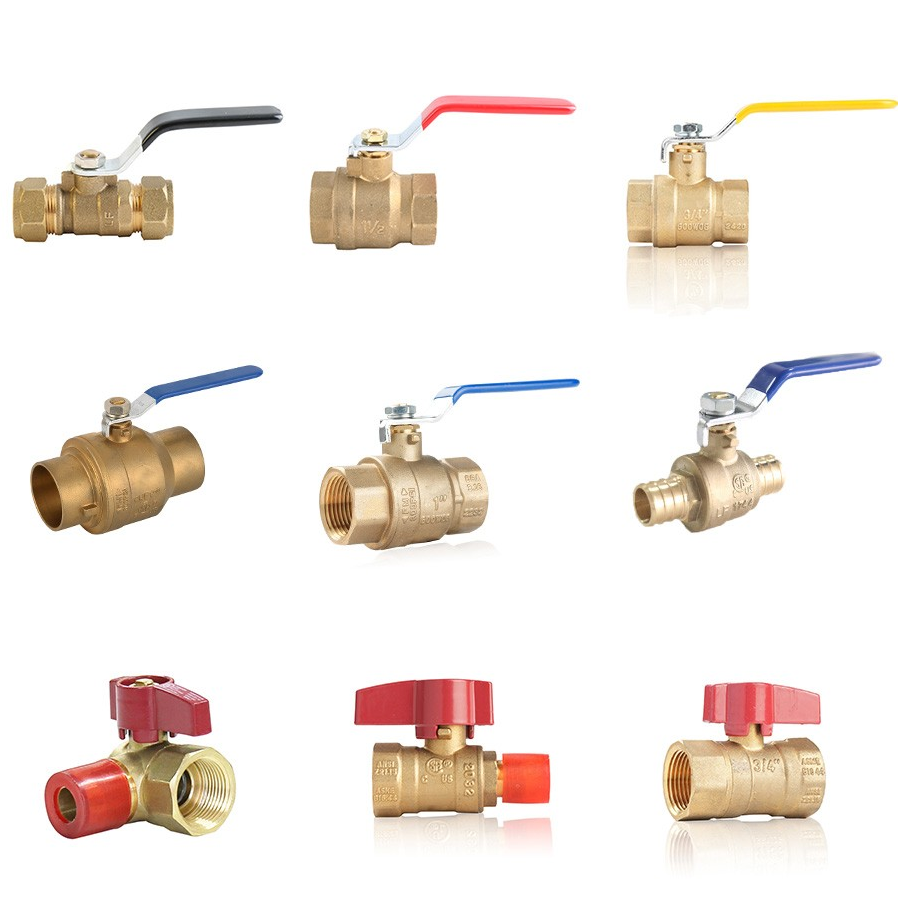
Selecting the wrong ball valve wastes energy, reduces lifespan, or causes flow starvation. This guide helps you size Brass Forged Ball Valve correctly using basic hydraulic principles. No advanced math required – just logical steps. Key Sizing Parameters: Port types: Full port (bore = pipe ID) vs Standard port (bore = 70–80% of pipe ID) Pressure drop formula: ΔP (bar) =...
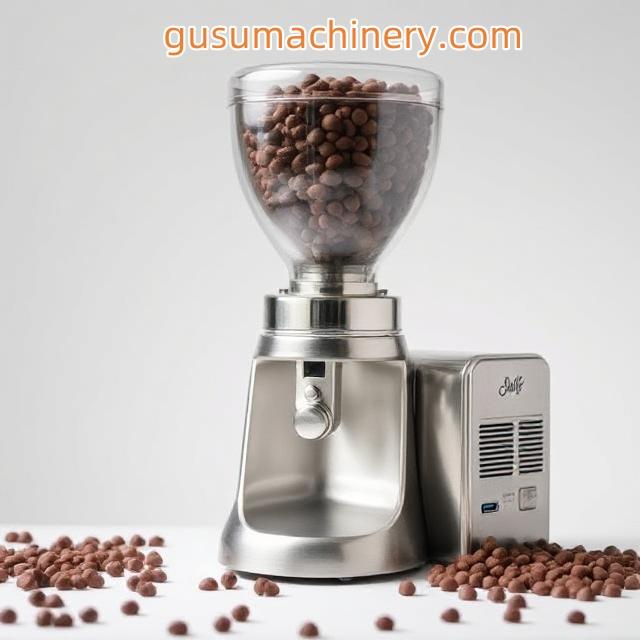
Chocolate production involves a combination of preparation, processing, shaping, and finishing activities, so equipment selection should reflect the actual working environment rather than focusing on one isolated function. When considering a Chocolate Machine, buyers can look at how construction materials support hygienic handling, how the equipment interacts with surrounding processes, and...
Impactul realității augmentate asupra experienței utilizatorilor în cazinourile online din 2025 Într-o lume în continuă evoluție tehnologică, realitatea augmentată (AR) se dovedește a fi una dintre cele mai promițătoare inovații, având un impact profund asupra diverselor industrii, inclusiv asupra sectorului cazinourilor online. Anul 2025 va marca o etapă semnificativă...

Желаете приобрести диски отличного качества по приемлемой цене? В ассортименте нашего магазина представлен широкий ассортимент колесных кованых дисков для любых в общем-то авто. Какой у вас сейчас авто? Lexus, BMW, Cadillac, Bentley, Ferrari, Jeep или Kia? Открыв веб сайт нашего интернет-магазина можете найти классные кованые колесные диски по разумной цене. Но необходимо признать, вы...