Deep Dive Engineering Comparative Assessment of Centralized Static UPS Plants Against Distributed In-Rack Power Architectures
Designing dependable, scalable electrical power distribution topologies for modern computing facilities requires balancing electrical line transmission losses, structural facility space allocation, single-point-of-failure vulnerabilities, equipment maintenance ergonomics, and capital expenditure phasing, engineering criteria examined within the Data Center UPS Market Analysis. When electrical engineering vice presidents, hyperscale infrastructure architects, and colocation design directors structure power distribution for new data center white space, they must evaluate the operational trade-offs between deploying centralized static UPS plants—where large multi-megawatt UPS units and battery rooms reside in dedicated electrical utility bays—versus installing distributed in-rack battery backup units (BBUs)—where compact 48V DC battery modules are integrated directly inside each individual compute rack (such as Open Compute Project designs). Evaluating how these contrasting power delivery paradigms manage fault isolation, scale with IT capacity, and impact ongoing operating expenses is critical for engineering dependable electrical infrastructure.
The primary engineering distinction between centralized static UPS plants and distributed in-rack power architectures lies in electrical power transformation steps, distribution voltages, and copper busbar transmission losses. In a centralized static UPS architecture, large 1 MVA to 3 MVA UPS units condition power at a centralized electrical room, distributing 480V or 415V three-phase AC power across long runs of heavy copper busways or cables to row-level Power Distribution Units (PDUs) and remote power panels (RPPs). The PDUs step down or condition the voltage before feeding internal server power supplies, where individual power supply units (PSUs) convert AC to 12V or 48V DC for motherboard processors. Each conversion stage—from AC-DC-AC in the UPS to transformer step-downs in PDUs and AC-DC conversion in server PSUs—incurs electrical resistive and switching losses, resulting in cumulative power distribution losses of six to ten percent. In contrast, distributed in-rack architectures (such as OCP Open Rack v3) deliver raw utility AC power directly to the rack's centralized power shelf, where high-efficiency rectifiers convert AC directly to a shared 48V DC busbar running along the rear of the rack. A compact 48V lithium-ion battery backup unit (BBU) sits directly on this DC bus inside the rack, eliminating intermediate PDU transformers, slashing electrical line losses, and raising end-to-end power delivery efficiency to over ninety-seven percent.
From a failure domain, fault isolation, and maintenance ergonomics perspective, centralized systems provide consolidated physical maintenance boundaries away from active compute racks. In a centralized plant, all power electronics, circuit breakers, and battery strings are located in separate, fire-isolated electrical rooms: maintenance technicians can inspect, test, and service UPS modules, replace cooling fans, and conduct infrared thermal scans without entering the active IT data hall white space. Furthermore, a centralized UPS system maintains an expansive battery reservoir that supports all computing loads uniformly, regardless of whether individual server racks are running at ten percent or one hundred percent capacity. In contrast, distributed in-rack BBUs place thousands of individual lithium-ion battery packs, micro-chargers, and monitoring boards directly inside active server racks across the data hall. While an in-rack battery failure is isolated to a single server cabinet—eliminating large-scale facility power failure domains—maintenance technicians must enter the data hall white space to replace failed battery trays, multiplying maintenance touchpoints across thousands of individual racks.
However, analyzing capital expenditure phasing and whitespace monetization reveals why colocation providers and enterprise facilities frequently deploy centralized static UPS platforms. A commercial colocation provider leases data hall space to diverse enterprise tenants who bring heterogeneous, non-standardized IT hardware requiring standard 120V, 208V, or 230V AC utility power inputs. Dedicated in-rack DC busbar architectures require standardized OCP server hardware that most enterprise tenants do not own. A centralized static UPS provides universal, utility-compliant three-phase AC power that supports any standard rackmount server, storage array, or networking switch off the shelf. Furthermore, centralized static systems allow colocation operators to build out modular electrical blocks (such as 1 MW or 2 MW increments) as tenant occupancy expands, providing the broad hardware compatibility and leasing flexibility required for commercial multi-tenant business models.
Top Trending Reports :
Semiconductor Device For Processing Application Market
Semiconductor Device In Aerospace Defense Industry Market
Semiconductor Device In Consumer Industry Market
الأقسام
إقرأ المزيد
The Nuclear Medicine Device Market is shaped by a mix of large medical imaging companies, radiopharmaceutical suppliers, and emerging technology providers. Competition is based on image quality, sensitivity, workflow integration, and radiopharmaceutical compatibility. Companies such as Siemens Healthineers, GE Healthcare, Philips Healthcare, Canon Medical Systems, and Fujifilm are at the...

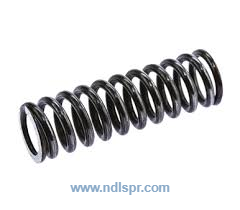
Can a Special Shaped Spring Manufacturer Produce Small-Batch Custom Springs? Small-batch production is an important option for companies developing specialized equipment, precision instruments, and mechanical assemblies with unique structural requirements. A professional Special Shaped Spring Manufacturer must understand that not every project requires a large production run, since product...
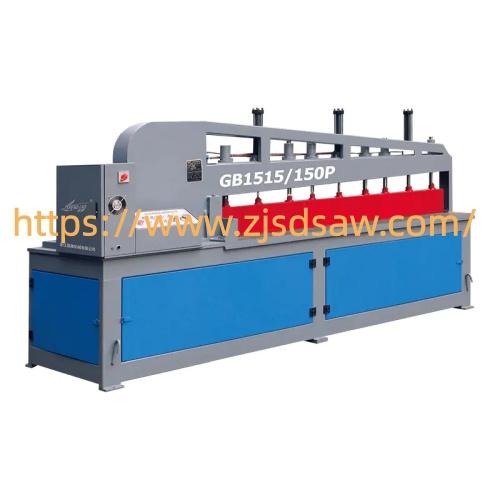
Semi-Automatic Metal Cutting Band Saw Machine selection requires careful consideration of production needs, material conditions, and operating environments. Before choosing suitable equipment, manufacturers should evaluate cutting requirements, workspace conditions, machine structure, and maintenance plans. A clear understanding of these factors can help businesses select equipment that fits...
Maintaining proper hydration is crucial for pet health, and the Pawtechpet Intelligent Pet Water Dispenser offers an innovative solution for ensuring pets always have access to clean water. How can this device transform your pet's daily routine and overall wellbeing? Modern pet owners face challenges in keeping pets hydrated consistently, especially with busy schedules or frequent travel....

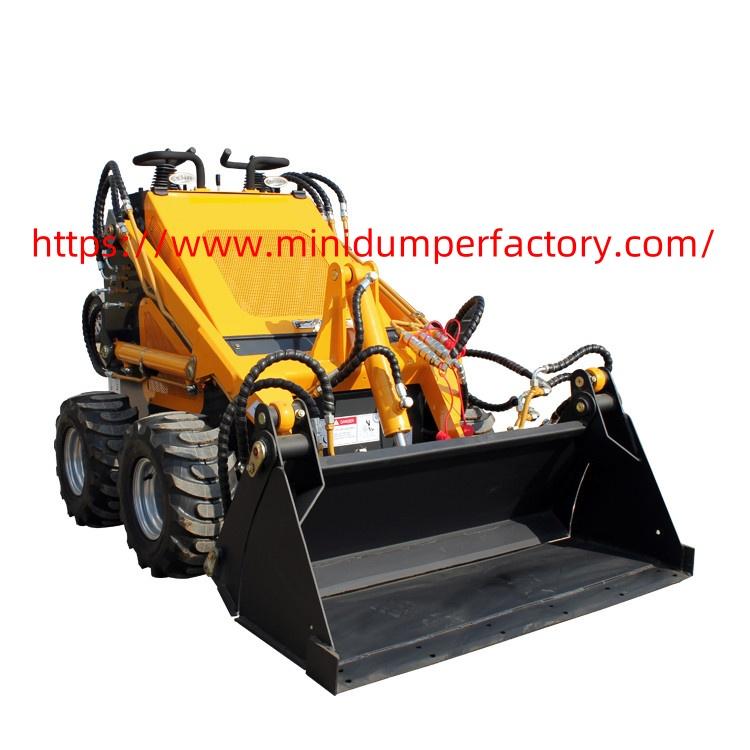
Mini Dumper Supplier equipment has become a practical choice for many small job sites where space, access, and transportation needs require careful planning. Small construction areas, landscaping projects, renovation work, and agricultural tasks often face challenges when moving soil, stones, sand, and other materials. Compact transport machines provide a convenient way to handle these tasks...