


CenWan Folder Gluer: Pressure, Glue, and Corrugated Board
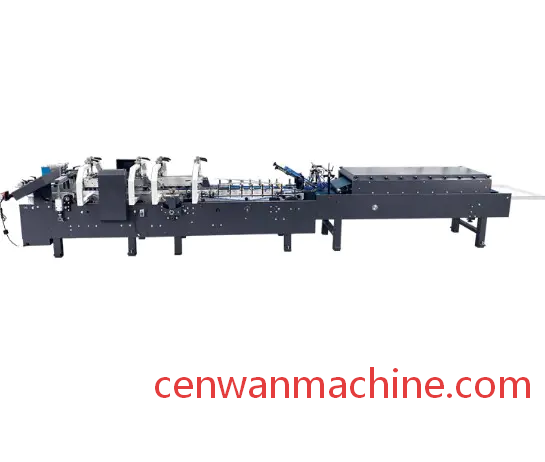
A plant that runs folding cartons and corrugated boxes from the same building faces a common question when shopping for equipment, because the two materials respond to pressure, feed, and glue in ways that diverge once production begins. Paperboard folds tight and holds a crease, while corrugated board resists compression and springs back, and those differences show up in every stage of the machine. The question of whether a Box Gluing Machine can handle corrugated board as well as paperboard deserves a careful answer, because the machine that suits one material may struggle with the other unless its settings and structure match the job, and cenwanmachine designs equipment that serves both material families. So what actually changes when the board changes?
Feed and Friction on Different Surfaces
Paperboard presents a smooth face that belts and rollers grip with predictability. Corrugated board carries a textured surface on one or both faces, and the flute pattern changes how feed belts contact the blank. A belt tensioned for paperboard may slip on a corrugated surface, and slipping at the feeder produces skewed blanks that fold off square. Feed systems with adjustable tension and rollers that accommodate the extra thickness keep corrugated blanks moving in line. The feeder also needs enough clearance to pass a thicker blank without crushing the flutes, because crushed flutes weaken the finished box.
Pressure and Folding Behavior
Paperboard takes a crease and holds it, so folding sections apply moderate pressure and the panel stays where it lands. Corrugated board contains an internal fluted layer that resists bending and pushes back against the folding rails. Sections need enough pressure to form a clean fold without cracking the liner or flattening the flute structure. Machines with adjustable folding rail pressure let operators match the setting to the board in use, and that adjustment keeps both materials running without compromise. A setting tuned for paperboard will under-fold corrugated, and a setting tuned for corrugated will crush paperboard creases.
Glue Choice and Application
Adhesion differs between the two materials as well. Paperboard absorbs water-based adhesive into its surface and bonds quickly. Corrugated board exposes raw liner and flute edges that need enough adhesive to penetrate without soaking through, and the amount of glue that works on paperboard may starve a corrugated seam. Glue wheel position, application volume, and compression time each need review when the board changes. Plants that run both materials benefit from machines that allow quick adjustment of glue volume and from adhesive selection matched to the liner surface.
Setup and Changeover Between Materials
Switching between paperboard and corrugated involves more than a single adjustment. Feed belts, pressure rollers, folding rails, and glue settings each need attention, and a machine with clear scales and stored settings turns that sequence into a routine rather than a long experiment. Memory functions that hold configurations for each material let operators return to a known setup when a job repeats. Machines built with accessible adjustment points shorten the process, and that reduction matters when a plant alternates between materials within the same week.
What to Confirm Before Purchase
Buyers planning to run both materials should request a demonstration on each board type rather than one, and should ask how the machine accommodates flute thickness and liner variation. Cenwan Machine, the manufacturer behind cenwanmachine, builds folder gluers with adjustable feed systems and folding pressure, and the product range covering corrugated, paperboard, and folding carton applications appears at https://www.cenwanmachine.com/ for buyers comparing configurations. Testing a Box Gluing Machine on the exact boards a plant uses reveals whether one unit can serve both lines, and that test settles the question in a way that specifications alone cannot.
Categorie
Leggi tutto
Genetic diseases have historically been challenging to treat, as they often involve mutations that affect protein production or function. Traditional therapies could manage symptoms but not address the underlying cause. Antisense oligonucleotide (ASO) therapeutics are transforming this paradigm by targeting the root cause at the RNA level, offering the potential to modify disease progression....

The Red Meat Market is experiencing steady growth as consumers continue to recognize the importance of protein-rich foods within balanced diets. Rising awareness about nutritional requirements, changing food preferences, and increasing demand for high-quality protein sources are influencing consumption patterns across different regions. Red meat remains an important food category due to its...
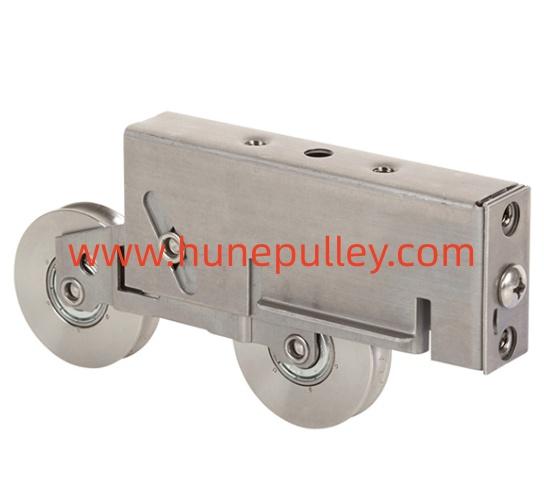
Movement is an essential part of many mechanical structures, from sliding doors and furniture hardware to tracks, gates, and equipment. Choosing the right Door Roller can influence how components interact during operation. Hunepulley offers pulley and wheel solutions developed for practical applications, helping manufacturers, installers, and project planners consider suitable components for...
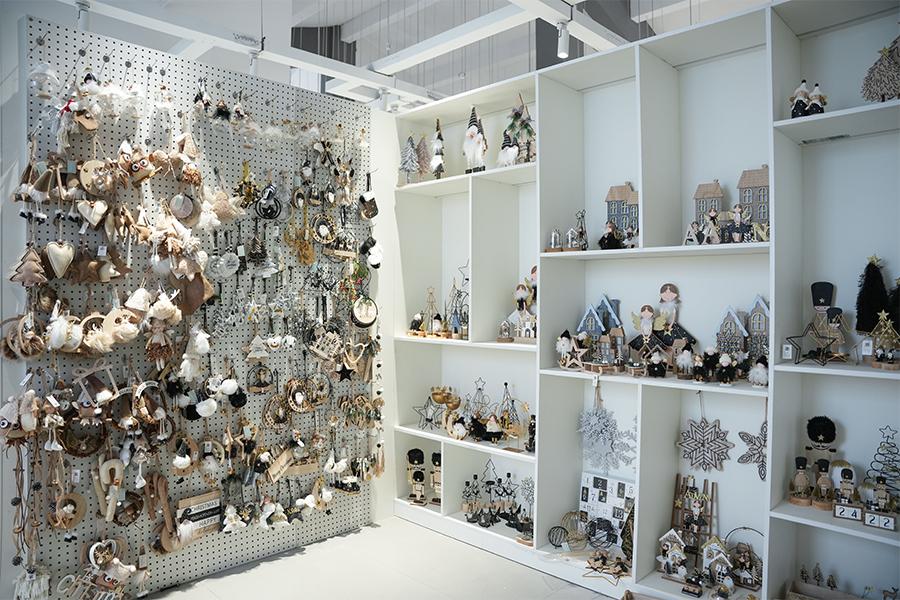
Seasonal design plays a major role in the development of wooden craft products, especially in global markets where holiday-driven consumption shapes production cycles. Wooden decorations are widely used for Christmas, Easter, Halloween, and spring festivals, making seasonal planning an essential capability for any professional Wooden Craft Supplier. The foundation of seasonal wooden craft...
VMAT2 inhibitors have emerged as the most significant advance in tardive dyskinesia treatment. By blocking vesicular monoamine transporter 2, these drugs reduce dopamine release and alleviate involuntary movements. Their efficacy and tolerability have made them a preferred option for many patients — and a major growth driver in the tardive dyskinesia treatment drugs market. VMAT2...