How Can Zannx Farm UTV Support Different Agricultural Activities
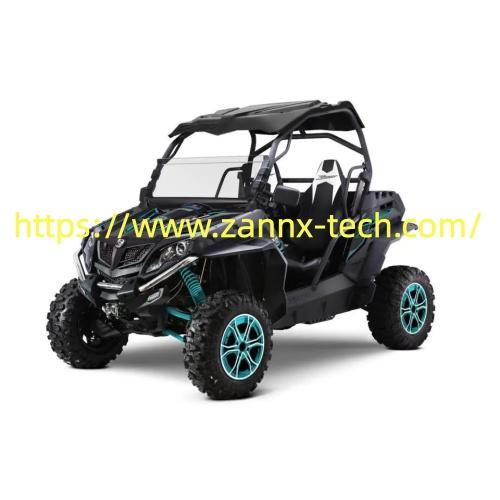
Farm UTV equipment can make a noticeable difference in the way agricultural businesses organize their daily routines. A typical farm involves much more than planting and harvesting. Workers move between fields, barns, storage buildings, feeding areas, and maintenance locations throughout the day. Having a practical utility vehicle available can reduce unnecessary walking, simplify material transportation, and help employees manage different tasks with greater flexibility.
Picture a busy morning on a working farm. Feed needs to reach several livestock areas, tools must be delivered to a field, and a few supplies are waiting near the storage shed. Instead of arranging separate trips with larger machinery, workers can use a compact utility vehicle to move between these locations. Small improvements in everyday transportation can make the working day feel more organized.
One important advantage is versatility. Agricultural operations rarely follow an identical schedule every day. During planting periods, workers may need to transport seeds, fertilizers, and equipment. At other times, they might be checking fences, inspecting irrigation systems, or moving supplies around livestock facilities. A vehicle with a suitable cargo area can support these different activities without requiring a separate machine for every job.
Cargo bed design deserves attention when comparing available models. Buyers should consider the dimensions, payload rating, loading height, and whether a dumping function is available. A larger cargo area may be useful for carrying bulky materials, while a compact configuration can be easier to maneuver through narrow farm lanes. The right arrangement depends on the materials being transported and the available working space.
Terrain is another daily consideration. Farm roads can change considerably with the weather. A dry gravel path may become slippery after rain, while grass fields and uneven ground require suitable traction and ground clearance. Suspension design, tire selection, drivetrain configuration, and vehicle weight all influence how a machine handles different surfaces. Farmers should match these specifications to the actual conditions around their property.
Livestock management offers another example. Workers often travel between feeding points, water systems, animal shelters, and storage areas. Carrying supplies by hand can become inconvenient when these locations are spread across a large property. A practical utility vehicle can help transport feed bags, cleaning supplies, tools, and other necessary items. Some farms may also need towing capability for compatible trailers or small equipment.
Comfort should not be overlooked. Agricultural workers may spend considerable time driving between locations, sometimes over uneven paths. Seating design, steering response, visibility, control placement, and cabin protection can influence everyday usability. Buyers who operate in changing weather conditions may also want to consider roof structures, windshields, doors, and other available accessories.
Maintenance and operating costs matter just as much as initial specifications. Before purchasing, farmers should ask about routine service intervals, replacement parts, tire availability, and the accessibility of important mechanical components. Clear maintenance instructions can help operators plan inspections and identify potential issues before they interrupt scheduled work.
There is no single configuration that suits every agricultural business. A small orchard may require a narrow vehicle that can move between closely spaced planting rows. A livestock operation may place greater importance on cargo capacity and towing functions. Larger properties may need additional seating so workers can travel together between different areas. Understanding these differences helps buyers select equipment that fits their actual working routines.
For distributors and agricultural equipment dealers, product flexibility can also influence purchasing decisions. Different markets have different expectations regarding engine specifications, cargo arrangements, safety equipment, and optional accessories. Working with a manufacturer that can explain available configurations and customization possibilities makes it easier to discuss customer requirements and plan suitable orders.
Zannx focuses on utility vehicle solutions designed around practical working requirements. Buyers can discuss intended applications, payload needs, terrain conditions, seating arrangements, and preferred equipment configurations when evaluating suitable models. These conversations help connect product specifications with the actual demands of agricultural operations.
A well-planned working day often comes down to saving unnecessary trips and keeping essential tasks moving. Whether transporting feed, carrying maintenance tools, checking field conditions, or moving supplies between buildings, suitable equipment can support a more flexible farm routine. For agricultural businesses, distributors, and importers considering new equipment, Zannx offers an opportunity to review available product configurations and manufacturing options at https://www.zannx-tech.com/product/ and discuss requirements for upcoming purchasing projects.
Kategorien
Mehr lesen
The future of the Ibuprofen Soft Capsules Market is promising, characterized by steady growth, evolving consumer preferences, and a healthcare system that is increasingly focused on convenience and accessibility. As we look ahead to 2035, the market is projected to grow to $3 billion, driven by a combination of factors, including the rising prevalence of pain conditions, technological...

The future of the Pain Treatment Medication Market is promising, characterized by innovation, expanding treatment options, and a healthcare system that is increasingly focused on personalized and patient-centric care. As we look ahead, the market is projected to grow significantly, driven by a combination of factors, including the rising prevalence of chronic pain, technological advancements in...
The InGaAs camera solution is being widely adopted by various industries that face imaging challenges beyond the capabilities of standard sensors. One of the most promising areas for these solutions is the medical diagnostics field, particularly in non-invasive imaging. By utilizing the near-infrared spectrum, these cameras can penetrate tissues to provide clearer images for diagnostic...

Detailed market valuations, technological benchmarks, and global adoption trajectories are comprehensively evaluated in the Wearable Ecg Sensor Market research analysis, capturing commercial acceleration across medical device manufacturers, semiconductor developers, and digital health platform providers. Traditional ambulatory electrocardiography relies heavily on 24-to-48-hour Holter...

Impactul realității augmentate asupra experienței utilizatorilor în cazinourile online din 2025 Într-o lume în continuă evoluție tehnologică, realitatea augmentată (AR) se dovedește a fi una dintre cele mai promițătoare inovații, având un impact profund asupra diverselor industrii, inclusiv asupra sectorului cazinourilor online. Anul 2025 va marca o etapă semnificativă...