Can ERG Laboratory-Scale Vanadium Flow Battery Cells Support Research
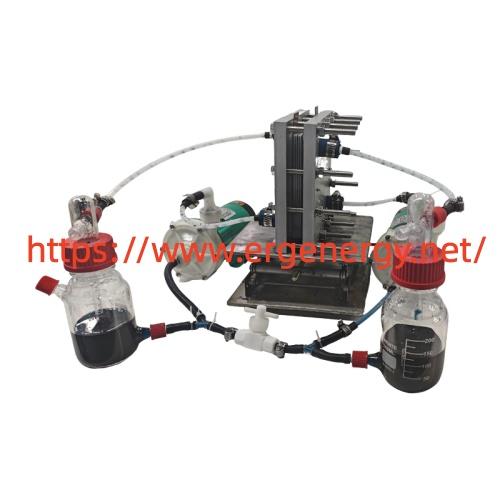
Laboratory-Scale Vanadium Flow Battery Cells offer researchers a practical way to investigate new energy storage designs under controlled experimental conditions. Before an industrial energy storage project moves into equipment integration or field operation, engineers need to understand how different materials, structural arrangements, and operating parameters affect electrochemical behavior. Small experimental units make it possible to examine these factors individually, collect test data, and make design adjustments before committing resources to larger development projects.
The development of renewable energy technology has created growing interest in storage systems that can accommodate changing electricity production. Solar and wind power projects, for example, require suitable methods to manage differences between electricity generation and consumption. For manufacturers and research institutions, developing a reliable storage solution involves more than selecting materials. It also requires repeated testing of internal structures, electrolyte circulation, electrical characteristics, and operating conditions.
One important advantage of small experimental equipment is the ability to isolate individual variables. Engineers can adjust electrode materials, membrane specifications, electrolyte concentration, and circulation rates while keeping other conditions relatively consistent. This makes comparisons between different configurations easier to organize. When a design change produces a measurable difference, researchers can investigate the possible reasons instead of relying entirely on theoretical calculations.
Material evaluation is often an early part of this process. Electrodes influence electrochemical reactions, while membranes affect ion transport and separation between different electrolyte solutions. Their physical properties and chemical compatibility can influence operating behavior. By testing different material combinations, development teams can identify potential issues such as increased resistance, uneven reaction distribution, or changes during repeated charging and discharging.
Another important area is electrolyte management. In redox systems, liquid circulation plays an essential role in transferring active materials through the reaction area. Pump speed, channel geometry, liquid distribution, and pressure conditions can all influence experimental results. If circulation is inconsistent, researchers may observe differences that are related to fluid movement rather than the material being evaluated. Monitoring these operating conditions helps create a clearer understanding of the relationship between internal design and electrochemical performance.
Testing procedures also deserve careful planning. A useful experimental program should define charging and discharging conditions, current density, temperature, electrolyte composition, and measurement intervals. Repeating tests under comparable conditions helps researchers evaluate whether observed changes are consistent. Recording voltage, current, pressure, and temperature can also provide information about operating stability. These records become valuable references when a development team needs to compare several design versions.
Modular equipment can make this work more convenient. Researchers may need to replace membranes, examine electrode samples, adjust internal components, or compare different structural arrangements. Equipment that supports disassembly and reassembly can reduce the complexity of these investigations. It also allows teams to organize experiments around specific research objectives rather than adapting every test to a fixed configuration.
The transition from an individual experimental unit to a multi-unit assembly introduces additional questions. Engineers need to consider electrical connections, sealing consistency, liquid distribution, pressure balance, and heat management. A configuration that behaves as expected during an individual test may require further adjustment when multiple units operate together. Therefore, experimental findings should be reviewed alongside the engineering requirements of the intended commercial application.
Manufacturers also have an important role in supporting this development process. Research institutions may require different active areas, structural dimensions, component materials, and assembly arrangements depending on their projects. Cooperation between equipment suppliers and technical teams can help translate research requirements into practical product specifications. Clear communication about testing objectives, sample preparation, and operating conditions can make equipment selection more efficient.
ERG provides several products for experimental research, including 5 cm² laboratory single-unit equipment, 20 cm² and 50 cm² configurations, and a 20 cm² stack assembly. The latter can be disassembled and reassembled to accommodate different material evaluation requirements. These options allow research teams to select equipment according to their experimental arrangements, whether they are examining individual components or evaluating the behavior of a connected assembly.
The value of experimental equipment also depends on how easily it can fit into an existing research environment. Before purchasing, institutions should consider available laboratory space, pump compatibility, electrolyte circulation requirements, electrical measurement equipment, and maintenance procedures. They should also confirm the intended active area, component specifications, connection arrangements, and technical support requirements with the manufacturer. A clear specification list helps reduce misunderstandings during product selection and delivery.
For manufacturers developing new energy storage technologies, experimental testing is an ongoing process rather than a single stage. Results from material evaluation can influence structural design, while operating data can guide later engineering improvements. Maintaining consistent test records also makes it easier to communicate findings between researchers, product engineers, and manufacturing teams. This gradual approach helps connect early technical investigation with practical equipment development.
As research moves toward larger energy storage applications, having suitable experimental equipment can help engineering teams evaluate design decisions before moving into industrial integration. ERG combines research-oriented products with manufacturing and system development capabilities, offering options for different technical requirements. Research organizations, engineering companies, and equipment developers can review the available product specifications and customization services at https://www.ergenergy.net/ when planning their next energy storage development project.
الأقسام
إقرأ المزيد
Butane Gas Cartridge Factory selection is an important step for businesses searching for portable fuel products for outdoor equipment, cooking applications, and related markets. Before cooperation, buyers should carefully review product requirements, manufacturing procedures, quality management, customization options, and communication methods. A complete evaluation helps companies...
As mobility needs continue to diversify, Foldable Scooter Factory solutions from Sweetrichmobility offer businesses practical products that align with modern lifestyles. Customers increasingly appreciate mobility equipment that is easy to transport, simple to store, and comfortable to use during everyday activities. Manufacturers that focus on thoughtful design and reliable production help...

Fruit Pies Market Outlook NEWARK, Del., October 26, 2026 — The global fruit pies market is gaining momentum as food manufacturers, bakery businesses, retailers, and foodservice operators respond to demand for convenient desserts, familiar fruit flavors, and ready-to-serve bakery products. According to the latest market intelligence report published by Future Market Insights (FMI), the...

The Food and Beverages Market is at the forefront of global innovation, driven by a powerful convergence of health consciousness, technological disruption, and sustainability imperatives. From plant-based alternatives to AI-powered product development, the industry is rapidly evolving. This article explores the key trends and innovations defining the future of the market. Market...

Online retail and beauty salons are reshaping the K-Beauty distribution landscape, with each offering distinct advantages for consumers and brands. As per Market Research Future, the K-Beauty Product Market is experiencing significant changes in how consumers discover and purchase K-Beauty products. Online retail currently holds the largest market share among distribution channels,...