Clay Market Analysis Reveals Emerging Opportunities in Kaolin, Bentonite, and Ball Clay Applications
Clay minerals are used in paints and coatings as functional fillers, extenders, and rheology modifiers. Their properties can influence texture, opacity, suspension stability, surface finish, and application behavior. Kaolin, bentonite, and other processed clay grades serve different roles depending on the formulation and performance requirements of the coating. These materials help manufacturers develop products for buildings, industrial equipment, consumer goods, and other surfaces.
The diversity of coating formulations is supporting opportunities in the clay market. Kaolin is commonly incorporated into selected paint formulations to contribute to opacity, smoothness, and surface characteristics. Bentonite and other swelling clay minerals can be used to control viscosity and help prevent pigment settling. Organically modified clays are also used in selected systems where rheology control and suspension properties are required.
Construction and renovation activities influence demand for architectural paints and coatings. Residential buildings, commercial properties, industrial facilities, and infrastructure projects require protective and decorative coating systems. Manufacturers continuously develop products with improved application characteristics, appearance, and durability. These developments create opportunities for mineral suppliers that can provide consistent and application-specific clay grades.
Specialty coatings provide additional areas for product development. Industrial coatings, protective paints, sealants, adhesives, and printing inks may use selected clay materials to achieve particular formulation characteristics. Particle size, brightness, surface chemistry, moisture content, and dispersion behavior can affect how a mineral performs in the finished product.
Processing technology is important for meeting these specifications. Classification, grinding, surface modification, and other beneficiation processes help producers supply clay with controlled physical and functional properties. Technical collaboration between mineral suppliers and coating manufacturers can also support formulation development and product testing.
The segment faces competition from calcium carbonate, talc, silica, and other functional fillers. Coating producers compare these materials according to cost, performance, availability, and compatibility with formulation requirements.
As manufacturers develop more specialized coating systems, demand for consistent and carefully processed industrial clay is likely to remain relevant. Suppliers that offer technical expertise and dependable quality can strengthen their position in this application segment.
Catégories
Lire la suite
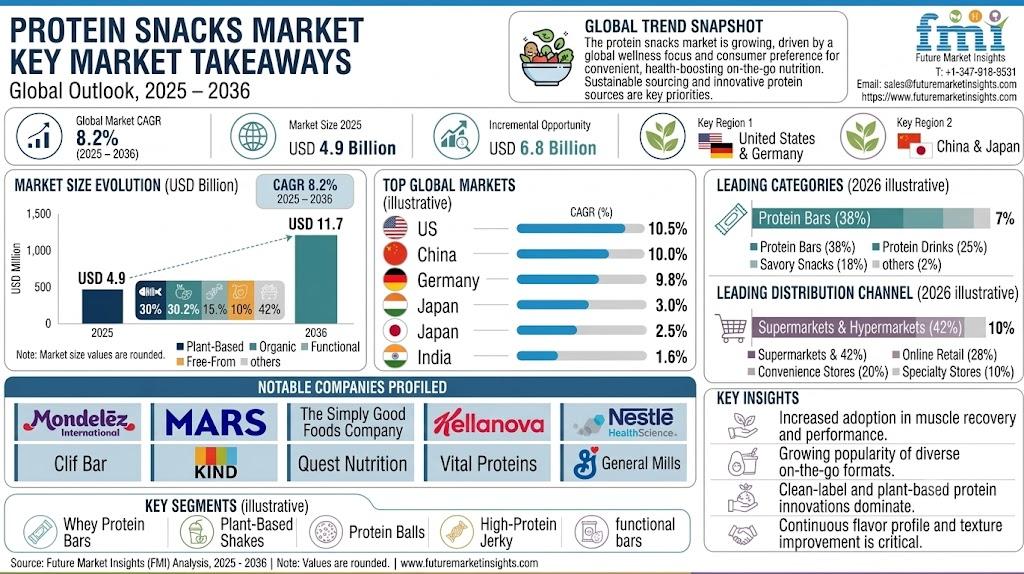
NEWARK, Del., October 15, 2026 — The global Protein Snacks Market is gaining momentum as consumers increasingly seek convenient, protein-rich food options that support active lifestyles, fitness goals, and everyday nutritional needs. Growing interest in high-protein diets, on-the-go consumption, and functional snacking is encouraging food manufacturers to expand their portfolios...
A legújabb slot játékok, amiket érdemes kipróbálni a 2026-os évben A slot játékok világa folyamatosan fejlődik, ahogy az új technológiák és trendek megjelennek a piacon. A 2026-os év számos izgalmas új játékot kínál, amelyek nemcsak a klasszikus...

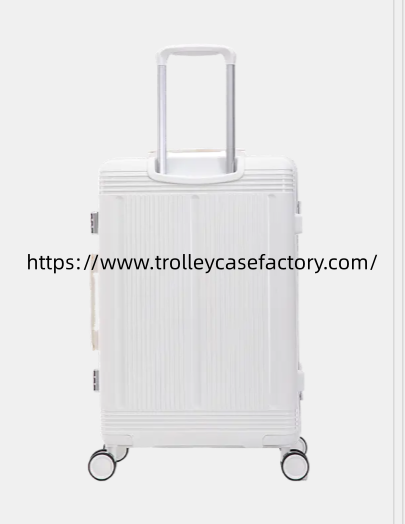
Silent Spinner Suitcase is designed for travelers who want smoother movement and convenient handling during different journeys. When choosing suitable travel products, buyers often consider wheel performance, storage organization, structural design, and daily usage requirements. trolleycasefactory provides travel solutions developed for customers seeking practical designs and flexible travel...
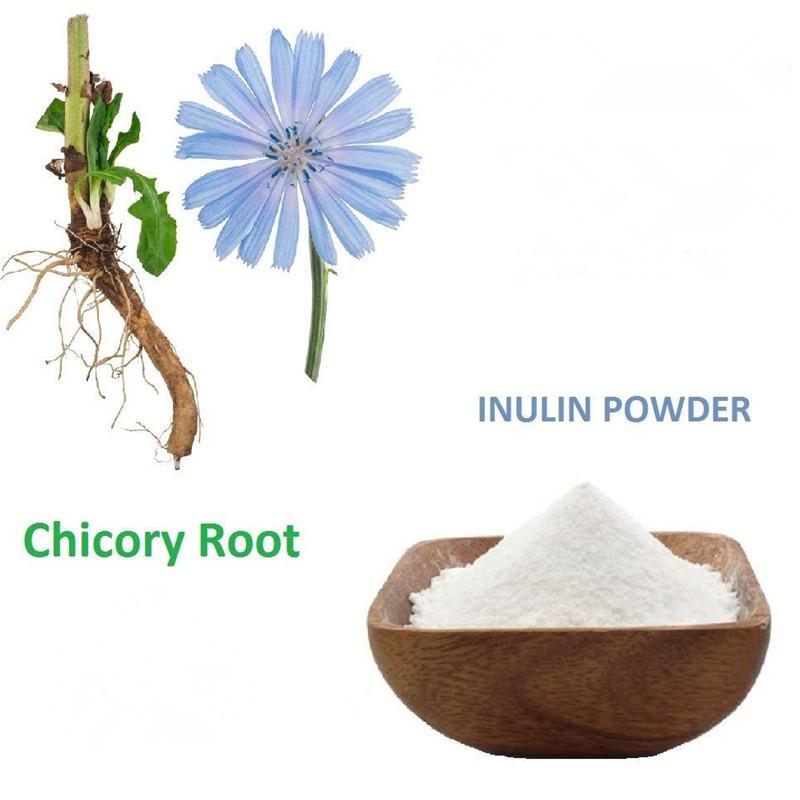
The competitive landscape of the Inulin Market is characterized by a dynamic mix of established global players and emerging specialists competing on product innovation, sustainability, and geographic expansion. According to a Inulin analysis, the future outlook remains positive, with the market projected to grow from USD 3.927 billion in 2025 to USD 6.064 billion by 2035 at...
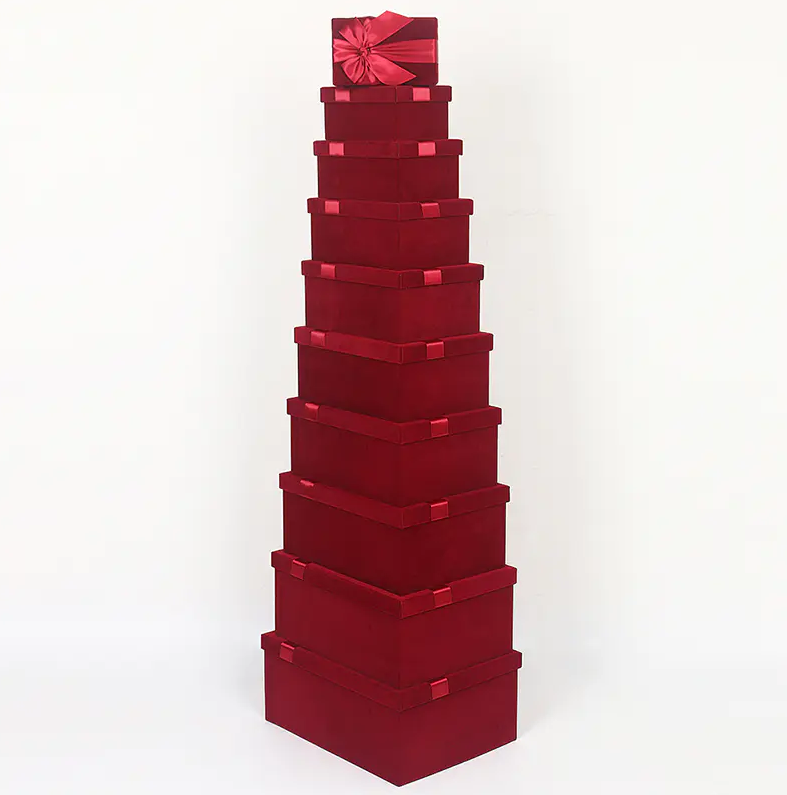
Behind every premium Gift Box is a combination of structural engineering, material selection, printing technology, and assembly precision. Modern packaging production has become increasingly technical because businesses expect packaging to provide product protection, visual branding, and efficient transportation performance at the same time. Industry packaging guides show that even small...