


What Should Buyers Know About Langmai PE Coated Baking Cup
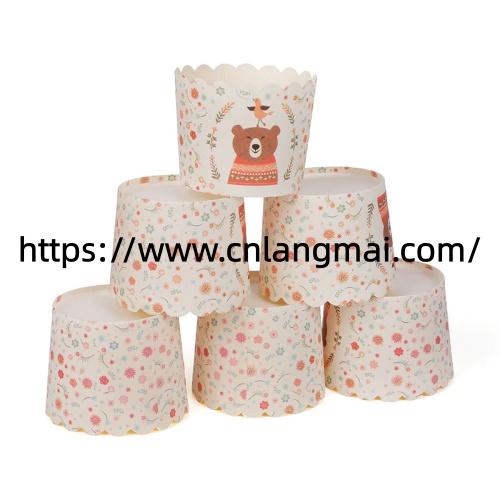
PE Coated Baking Cup options are worth considering when bakeries need packaging that suits different recipes, serving sizes, and sales environments. A small muffin sold at a coffee counter has different requirements from a filled cupcake prepared for a celebration or a mini cake arranged in a retail display. The right container should match the product dimensions, baking process, presentation style, and intended use. For bakery owners and wholesale buyers, understanding these differences can make product selection and purchasing decisions easier.
Muffins are commonly prepared in individual portions, making cup size an important starting point. A smaller option may suit mini muffins served with afternoon tea, while a wider or deeper shape can accommodate larger recipes. Buyers should consider the amount of batter used, the expected rise during baking, and the finished product size. If the container is too small, the batter may overflow during preparation. If it is too large, the baked item may move around during handling or look out of proportion on the display.
Cupcakes have slightly different presentation needs. Their decoration often includes frosting, fruit, chocolate pieces, or other toppings, so the paper container should complement the finished appearance. Standard round shapes are suitable for many everyday bakery products, while decorative colors and printed patterns can help create a coordinated look for birthdays, weddings, and seasonal promotions. Bakeries selling assorted flavors may also use different designs to help customers distinguish product varieties.
Mini cakes and individual sponge cakes may require additional attention to depth and stability. Some recipes contain fillings or moist ingredients that influence how the baked product is handled after preparation. Buyers should discuss the intended recipe and baking conditions with the manufacturer before choosing a specification. Coating type, paper structure, and temperature suitability should be evaluated according to the product design and the supplier’s technical information.
Another consideration is the difference between products baked directly in their containers and products placed into packaging after baking. The manufacturing specification should clearly state the intended application. Buyers should not assume that every paper container with a coated surface is suitable for every oven condition. They can request technical documents and samples to check the product dimensions, construction, and stated temperature range. Food contact compliance should also be confirmed for the target market and intended application.
The coating itself is part of the selection process. A polyethylene coating is used in certain paper packaging applications to provide a barrier against moisture and grease. However, its suitability depends on the complete product structure and how the item will be used. Bakeries should consider the moisture level of their recipes, the length of time products will remain packaged, and whether the containers are intended for baking, serving, or takeaway presentation. These details help manufacturers recommend specifications that match the actual application.
Appearance is important in retail environments, where packaging contributes to how products are presented. A bakery with a natural visual identity may prefer kraft-style colors and simple graphics. A shop selling celebration desserts may choose brighter colors, themed patterns, or printed brand elements. Seasonal designs can also be useful for holidays and promotional campaigns. Before approving custom printing, buyers should review the artwork, text placement, color references, and final dimensions. A printed sample or digital proof can help identify adjustments before production begins.
Wholesale buyers have additional planning needs. They may supply several bakeries, distributors, or food service businesses, each with different product sizes and packaging preferences. Ordering a range of specifications can help serve these different applications, but inventory planning should remain practical. Buyers should compare order quantities, packing methods, lead times, and shipping arrangements. It is also useful to ask whether the manufacturer can maintain consistent specifications across repeat orders.
Communication between the buyer and manufacturer can prevent misunderstandings. A useful inquiry should include the product type, approximate dimensions, intended use, required quantity, preferred paper appearance, and printing needs. If the container will be used in a specific baking process, buyers should share the relevant temperature and handling conditions. Samples can then be assessed against the actual recipe rather than selected by appearance alone.
Langmai works with buyers who need paper packaging options for bakery and food service applications. By discussing product dimensions, coating specifications, printing preferences, and order requirements, customers can identify suitable options for different baked goods and sales settings. Whether a bakery is preparing everyday muffins, decorated cupcakes, or individually packed desserts, matching the packaging to the product is an important part of preparation. Buyers interested in reviewing the company and its product range can visit https://www.cnlangmai.com/ and contact Langmai to discuss their packaging requirements.
Categorias
Leia Mais
US Commercial Floor Cleaning Machine Market is expected to maintain steady growth, supported by expanding commercial real estate, stricter sanitation regulations, and increased outsourcing of professional cleaning services. Rental and cleaning-as-a-service models are also opening new opportunities for small and mid-sized businesses. The commercial floor cleaning machine market is...

OEM Custom Electric Motor selection should begin with the equipment application rather than a standard catalog. Different machines can require different electrical parameters, dimensions, mounting structures, operating conditions, and control methods. Buyers should therefore provide clear technical information before asking for a customized solution. A structured discussion at the...
La sostenibilità nei casinò online del 2025: strategie ecologiche e responsabilità sociale nel gioco d'azzardo digitale Nel contesto del mondo digitale in continua evoluzione, i casinò online stanno affrontando sfide significative e opportunità uniche nel perseguire pratiche sostenibili. Nel 2025, https://85verdecasino.com/it-it/category/new la...

The Champagne Market continues to demonstrate steady expansion, driven by rising disposable incomes, evolving consumer preferences, and increasing demand for premium alcoholic beverages. Traditionally associated with celebrations and luxury, champagne has expanded beyond ceremonial consumption into everyday indulgence for affluent consumers. This shift has widened the customer base and...
The compressed earth block machine market is poised for substantial growth, with projections indicating a market size of approximately $4.387 billion by 2035. This represents a significant uptick from $2.532 billion in 2024 and $2.662 billion in 2025, reflecting an impressive compound annual growth rate (CAGR) of 5.1%. The increasing demand for sustainable construction solutions is driving this...