What Should Buyers Consider in Gangnammould Garden Planter Mould Projects
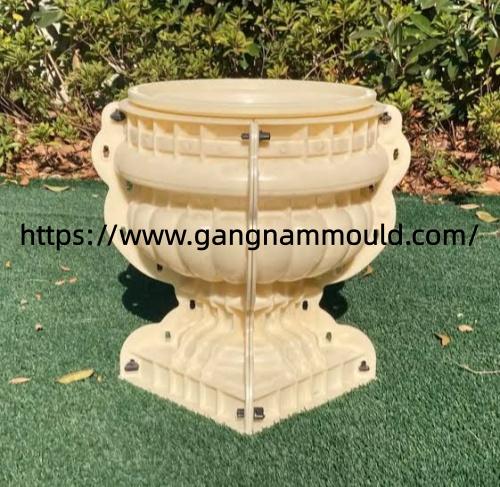
Garden Planter Mould development can help manufacturers respond to changing customer preferences across residential, commercial, and landscaping markets. Buyers may request compact containers for balconies, decorative pieces for indoor spaces, or larger products for public areas. Each application brings different expectations for dimensions, appearance, durability, drainage, and production volume. For manufacturers, understanding these requirements early helps turn a general product idea into a practical design that fits its intended market.
Customer preferences vary between regions and sales channels. Some retailers focus on lightweight products for apartment residents, while landscaping suppliers may need larger containers that can accommodate shrubs and decorative trees. Online sellers may prefer designs that are easier to package and transport. Home improvement stores often carry several sizes and styles to serve different customer groups.
These differences influence the engineering decisions made before production begins. Rather than applying one standard specification to every order, manufacturers can work with buyers to define the product range, target dimensions, expected use, and visual direction. This information provides a clear foundation for developing suitable tooling.
Shape is often one of the first details customers notice. Round containers can suit traditional planting arrangements, while square and rectangular forms may fit narrow balconies, patios, and organized outdoor spaces. Tall profiles can complement entrance areas, whereas shallow designs may suit decorative arrangements with limited root depth.
Manufacturers should consider these applications during the early design stage. A change in height or base width can affect stability, material use, storage, and shipping arrangements. The selected dimensions should also reflect the intended plants and the conditions in which the finished product will be used.
Custom surface details can help create a recognizable product range. Vertical grooves, geometric patterns, textured panels, and smooth finishes offer different visual effects without changing the product's basic purpose. Brand logos and selected decorative features may also be incorporated where the design and manufacturing process allow.
Gangnammould can be considered by buyers looking for a manufacturing partner to discuss product concepts and tooling requirements. Sharing reference images, sketches, target dimensions, and intended applications gives the engineering team a clearer understanding of the proposed design.
Products designed for indoor spaces may prioritize appearance, manageable weight, and convenient placement. Outdoor applications can introduce additional considerations, including exposure to sunlight, temperature changes, moisture, and repeated handling. These factors should influence material selection and structural planning.
Drainage is another important detail. Openings at the base can help excess water escape, while their number, size, and position depend on the intended application. Some buyers may require removable plugs or separate inner containers. Such features should be evaluated alongside cleaning needs, packaging requirements, and the expected growing conditions.
Wall thickness also deserves careful attention. Uneven sections can contribute to different cooling rates, shrinkage, and surface defects during injection molding. A balanced structure can help improve material flow and dimensional consistency. Reinforcing ribs may provide additional support, but their size and position should be reviewed to avoid unwanted marks or unnecessary material use.
The right design depends on the material, overall dimensions, production process, and performance requirements. Technical review before machining begins can identify possible issues while changes remain easier to make.
A custom project should reflect the buyer's expected order quantity and future sales plans. A small initial batch may require a different investment approach from a product intended for repeated high volume production. Tooling structure, cavity quantity, expected cycle time, maintenance access, and available molding equipment can all affect project planning.
Buyers should discuss forecast demand rather than focusing only on the initial order. If several sizes are planned, the team can assess whether separate tools or a shared design approach makes practical sense. The answer depends on the differences between the products, production targets, and tooling budget.
It is also useful to define acceptable tolerances before manufacturing starts. Critical dimensions should be identified according to assembly, stacking, drainage, and intended function. Applying unnecessarily tight tolerances to noncritical decorative areas may increase manufacturing complexity without adding practical value.
Clear specifications allow manufacturers to evaluate the project more accurately. They also give both parties a shared reference for reviewing samples and discussing changes.
Computer drawings provide a useful starting point, but physical samples help buyers assess details that may be difficult to judge on a screen. These include visual proportions, surface appearance, handling comfort, stability, and the fit of any accessories.
A sample review should follow an agreed checklist. Buyers can measure key dimensions, inspect visible surfaces, check drainage features, and assess whether the product suits its intended environment. Any changes should be recorded clearly so the updated design can be reviewed before mass production.
Trial production also helps reveal issues related to filling, cooling, ejection, and dimensional variation. Adjustments to processing conditions or tooling details may be needed before production specifications are finalized. Early communication can reduce misunderstandings and help prevent avoidable revisions later.
A successful project begins with practical communication. Buyers should prepare information about the target market, preferred shape, dimensions, material expectations, surface finish, order volume, and any special features. Photos of existing products can help explain the desired style, while technical drawings provide measurable requirements.
Gangnammould supports product development discussions by giving buyers a starting point for sharing their requirements and reviewing potential manufacturing solutions. A clear brief helps connect market expectations with design decisions, material choices, tooling considerations, and sample evaluation.
For businesses planning a new product range or revising an existing design, the next step is to organize the specifications and discuss project requirements with a suitable manufacturing partner. Visit https://www.gangnammould.com/product/ to review product information and begin a conversation about tooling options that fit your intended market.
Kategorien
Mehr lesen
Сейчас имеется много различных медицинских клиник, куда можно будет отправиться с любой в общем-то проблемой. Но везде имеются различные нюансы. К примеру готовы предложить где-то исключительно узкопрофильное лечение. Специалисты других клиник записывают на бесчисленное количество разнообразных анализов. Ну а другие применяют уже старое техническое оборудование и отзывы...

The immense scale of active connected devices, expanding corporate software investments, and deep institutional adoption characterizing the total Bring Your Own Device Market Size highlight the central role that employee-owned technology plays throughout the global digital economy. What began over a decade ago as an informal trend of employees accessing corporate email from personal...

The commercial aircraft lighting market is experiencing steady growth as airlines continue to modernize their fleets and improve passenger experience. Lighting systems play a crucial role in ensuring safety, operational efficiency, and comfort, making them an essential component of modern aircraft. One of the primary drivers of this market is the increasing number of air passengers worldwide....
7 days 3 is below, and the matchup with the Baltimore Ravens looms inside attractive it possible for's consider a appearance at the 's refreshing inside Baltimore?Baltimore appears together with a workers inside Minter is inside of his very first time as mind practice and defensive playcaller, Declan Doyle is getting in contact with the offense for the to start with year, and both of those...

Modern kitchens are evolving from simple cooking spaces into multifunctional household centers where cleaning, food preparation, and family interaction happen throughout the day. As kitchen usage increases, consumers expect sink products to offer stronger durability, easier maintenance, and more flexible functionality. The growing influence of kitchen sink factory innovation together with...