Which Features Should Buyers Discuss With spotwelder?
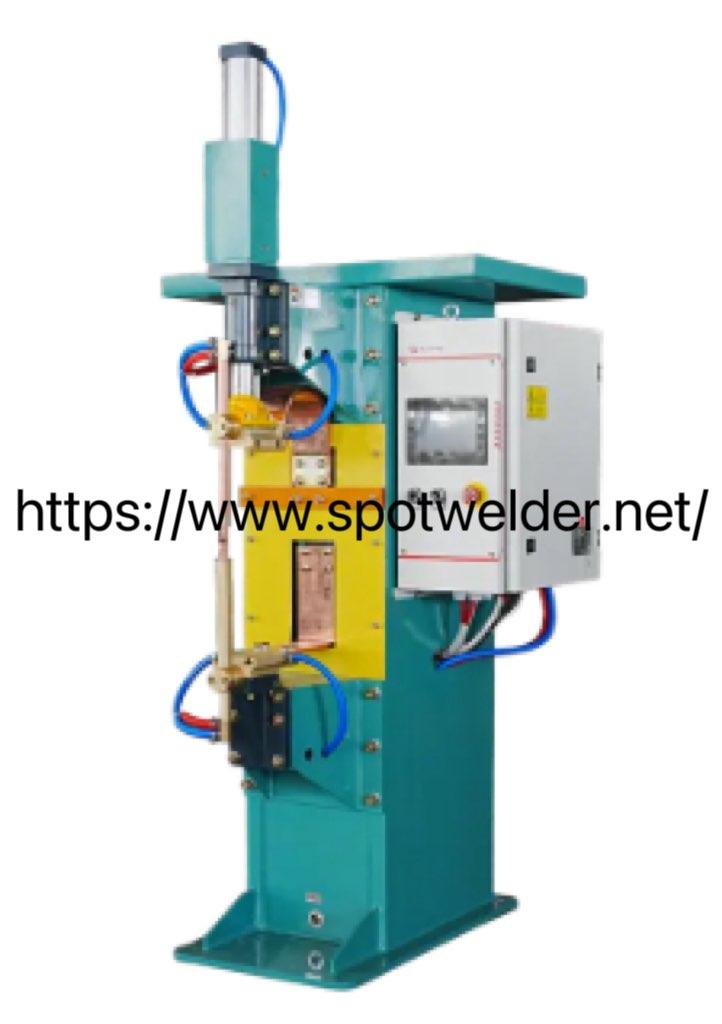
Spot Welder selection involves more than comparing prices or reviewing product images. Buyers should consider the materials being joined, the dimensions of each workpiece, production volume, and the conditions in which the machine will operate. A clear understanding of these factors helps manufacturers identify a suitable configuration and prepare a realistic purchasing plan. Asking specific questions before placing an order can also reduce misunderstandings between the buyer and supplier.
Identify the Materials and Joining Requirements
Begin by describing the components that need to be joined. Material type, thickness, shape, surface condition, and joint position can all affect the process and the configuration required. Buyers should explain whether they plan to process sheet metal, wire components, metal assemblies, or parts with a more complex structure.
Production conditions matter as well. A workshop producing small batches may have different requirements from a factory processing repeated parts throughout a shift. Consider the expected output, product variations, and frequency of model changes before deciding which machine arrangement to request.
Providing drawings, photographs, or representative samples can help the supplier understand the intended application. If the parts have unusual dimensions or joining positions, share these details early so they can be considered during the technical discussion.
Compare Machine Configuration and Control Options
The machine should suit the workpiece design and the workflow of the production area. Buyers can ask about available power ratings, electrode arrangements, working space, pressure settings, and control functions. The relevant specifications depend on the application, so avoid selecting a model based on a single parameter.
It is also important to consider how operators will position components and manage repeated tasks. Some applications may need dedicated fixtures, while others may require adjustable positioning to accommodate several part designs. For projects involving multiple production stages, ask whether the proposed configuration can be coordinated with existing machinery.
Before confirming an order, request a written specification that identifies the agreed functions, optional features, and customization scope. This document can serve as a reference for design approval, production planning, and final inspection.
Ask How Quality Will Be Evaluated
A purchasing decision should include a clear discussion of quality checks. Buyers can ask how components are inspected during assembly, what functional tests are performed, and how the finished machine is checked before dispatch.
For application-specific projects, establish acceptance criteria before production begins. These may include operating functions, positioning requirements, control response, and performance on representative workpieces. If a sample test is suitable, agree on the sample material and test conditions in advance.
Documentation also deserves attention. Confirm which inspection records, operating instructions, electrical information, and maintenance documents will accompany the order. Having these materials available helps engineering and production teams review the machine and prepare for its use.
Review Safety and Maintenance Arrangements
The intended workplace should be considered before installation. Buyers need to check operator access, emergency-stop functions, protective structures, and other safeguards relevant to the machine design. The installation plan should also account for available floor space, power supply, ventilation, and any other site requirements.
Routine servicing can affect production schedules, so ask which parts require periodic checks and how replacement components can be identified. Confirm whether maintenance instructions are supplied and how technical questions can be handled after delivery.
These arrangements help the purchasing team understand the work involved in operating the machine over time. They also provide useful information for planning operator training, maintenance intervals, and spare-part requirements.
Clarify Customization, Delivery, and Support
When comparing suppliers, look beyond the quoted machine price. Check whether the offer includes fixtures, accessories, packaging, documentation, testing, and requested modifications. Any excluded items or additional charges should be stated clearly.
For customized projects, discuss drawing approval, sample confirmation, production scheduling, and the procedure for making design changes. Buyers should also clarify delivery terms, installation responsibilities, and the documents needed for shipment. These details help both parties coordinate the order and avoid uncertainty about their responsibilities.
After-sales support is another factor to evaluate. Ask about warranty conditions, spare-part ordering, technical assistance, and the process for reporting operational issues. Written terms make it easier to understand what support is available and how requests should be handled.
Prepare a Practical Inquiry Before Ordering
A clear inquiry helps the supplier respond to the actual project instead of providing a general product description. Include material details, workpiece drawings, required output, operating conditions, preferred configuration, order quantity, and any special requirements. Mark essential functions separately from optional requests so the proposal can focus on the intended application.For manufacturers seeking resistance welding solutions, spotwelder offers a range of machines and application options to review. Buyers can visit https://www.spotwelder.net/product/ to examine available product categories and prepare questions about specifications, customization, testing, and delivery. Sharing project details at the start can support a more focused technical discussion and help both parties establish clear expectations before an order is confirmed.
Catégories
Lire la suite
Global Package Substrates Market, valued at a robust US$ 1.5 billion in 2024, is on a trajectory of significant expansion, projected to reach US$ 2.6 billion by 2032. This growth, representing a compound annual growth rate (CAGR) of 5.4%, is detailed in a comprehensive new report published by Semiconductor Insight. The study highlights the critical role of advanced substrate technologies...

The global imperative for enhanced residential protection has created an unprecedented surge in consumer adoption of smart surveillance infrastructure. Modern lifestyle shifts, characterized by rising remote work models, expanding suburban real estate developments, and an increasing reliance on direct-to-door e-commerce deliveries, have heightened the necessity for vigilant, persistent...

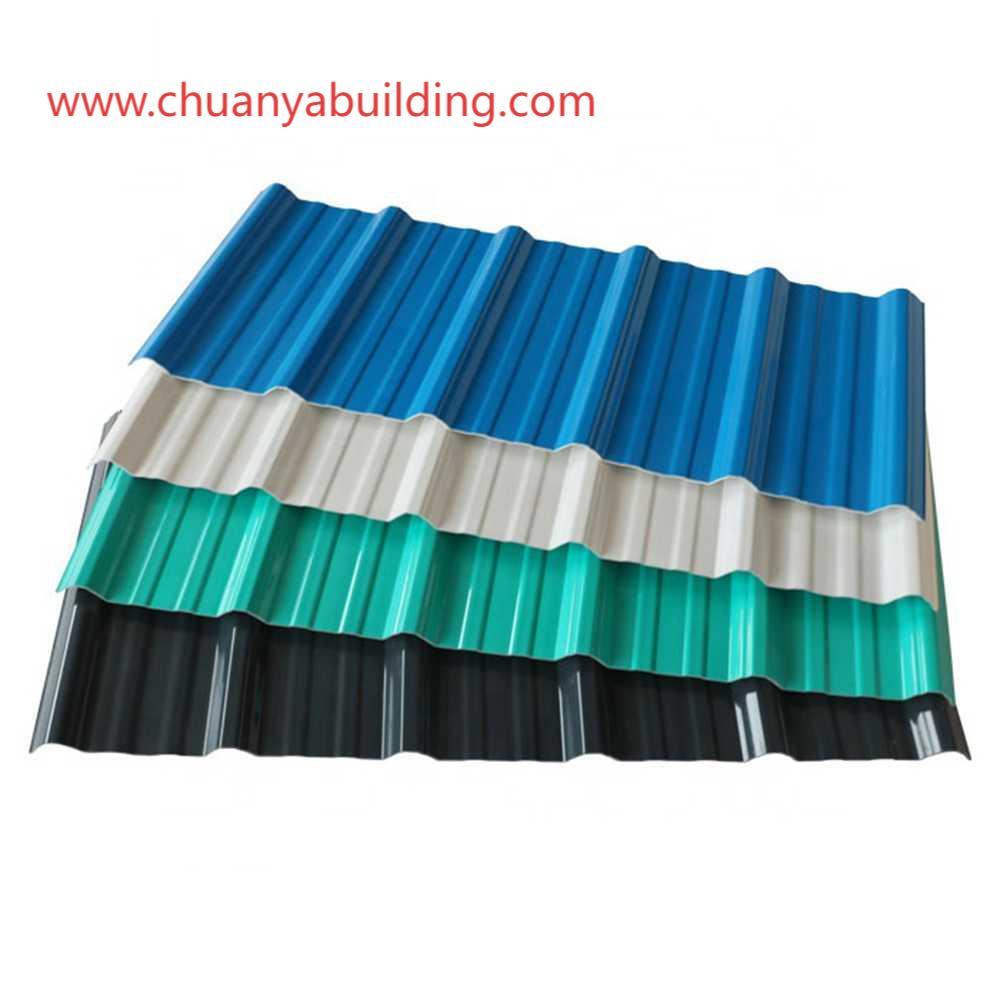
In contemporary architecture, Chinese Asa Resin Tile has become a symbol of strength, aesthetic refinement, and environmental awareness, and Chuanyabuilding presents these solutions as a bridge between tradition and innovation. These tiles provide protection against harsh weather, resist fading and corrosion, and maintain long-term structural stability, transforming rooftops from...
Global Length and Angle Sensor Market is witnessing a pronounced acceleration, driven by the soaring demand for precision measurement across a spectrum of high‑value industries. A comprehensive new study released by Semiconductor Insight details the market’s evolution, emphasizing the critical importance of these sensors in enabling sub‑millimeter accuracy, real‑time feedback, and...
At present that the draft is above, the Minnesota Vikings change their consideration in direction of filling their total supervisor all round supervisor Rob Brzezinski stays an alternative if he requires the activity, yet an announcement presently within just Philadelphia might sign that the Vikings are transferring inside yet another guidance in the direction of fill their in general...