


Which Machine Details Matter When Buying from zjgycnc?
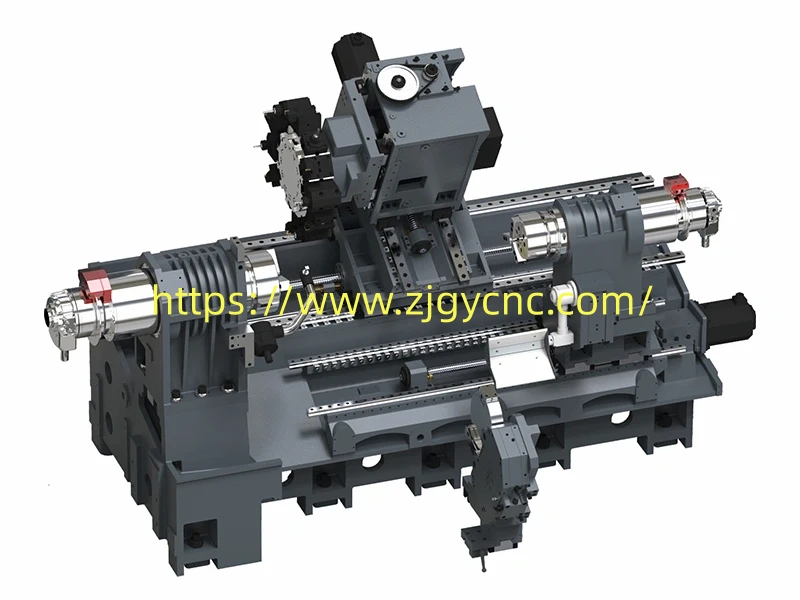
Slant-Bed CNC Lathe selection begins with a clear understanding of the parts a workshop needs to produce. Buyers should review workpiece dimensions, material types, machining operations, tolerance requirements, and expected production volume before comparing machine specifications. A suitable configuration should support current manufacturing tasks while allowing room for changes in production demand. Starting with these details helps purchasing teams compare equipment based on actual requirements rather than optional features that may not contribute to daily operations.
Match Machine Capacity to Workpiece Dimensions
Turning diameter and machining length are essential specifications to check before requesting a quotation. Buyers should measure the largest and smallest components in their product range and consider how each part will be mounted. A workpiece may fit within the stated turning diameter but still create challenges because of its length, weight, chuck dimensions, or tool access.
Spindle bore size also matters when production involves bar stock. If the bore cannot accommodate the required material diameter, operators may need another loading method or additional preparation steps. Checking these dimensions early helps prevent capacity mismatches after installation.
Prepare representative part drawings before contacting a manufacturer. Include overall dimensions, material details, critical tolerances, and the operations required for each component. This information gives the supplier a clearer basis for discussing machine size and configuration.
Evaluate Spindle Performance and Cutting Requirements
Spindle speed alone does not describe how a machine will perform during cutting. Buyers should review spindle power, available torque across the operating speed range, and the relationship between these specifications and the materials being processed.
For example, machining different grades of steel may require a different balance of speed, torque, cutting depth, and tool selection than turning aluminum components. A configuration should therefore be assessed against representative production tasks instead of relying on a single maximum-speed figure.
Workholding equipment deserves similar attention. Chuck size, clamping method, and support for longer workpieces influence setup choices and machining stability. When comparing quotations, ask suppliers to identify the included workholding components and any optional accessories required for the intended applications.
Review Tooling and Operation Flexibility
Production requirements determine the tooling arrangement a workshop needs. Buyers should list the operations involved in making a typical part, such as facing, external turning, boring, grooving, threading, drilling, or milling. The machine configuration can then be compared with this operation list.
Turret station count is worth checking when a job requires several tools during one cycle. A suitable arrangement may reduce manual tool changes, but additional stations should correspond to real production needs. Live tooling or a C-axis can support certain off-center machining tasks when the workpiece design calls for them.
Control-system compatibility is another practical consideration. Operators should be familiar with the programming environment, setup procedures, and available diagnostic functions. If a workshop already uses a particular programming workflow, discussing compatibility before ordering can help limit training and transition demands.
Check Chip Removal, Coolant, and Maintenance Access
The inclined machine structure influences how chips and coolant move around the cutting area. Depending on the design and cutting conditions, this arrangement can help chips move away from the work zone and simplify routine cleaning. Actual results depend on chip shape, coolant delivery, enclosure design, and the material being machined.
Buyers should ask how the proposed configuration handles chips generated during normal operations. Long, stringy chips may need different management arrangements from short chips produced by other cutting processes. Coolant capacity, filtration requirements, chip conveyor options, and cleaning access should all be considered.
Maintenance access also affects daily workshop routines. Check whether operators can reach inspection points, replace consumable components, clean the working area, and carry out scheduled maintenance without unnecessary disruption. Clear maintenance instructions and access to replacement parts are useful factors when comparing suppliers.
Verify Accuracy and Production Consistency
Required dimensional tolerances and surface finishes should guide the accuracy specifications under review. Buyers should ask how positioning accuracy and repeatability are measured, what test conditions apply, and whether supporting inspection records are available.
Machine structure is only one part of the result. Spindle condition, tooling, workholding, temperature changes, setup methods, and maintenance can all influence finished-part consistency. A practical assessment should therefore include a representative cutting test whenever possible.
Provide the supplier with a sample drawing and identify the dimensions that matter during inspection. Discuss the material, tooling, cutting conditions, and measurement method used for the test. This creates a more meaningful comparison between configurations and helps establish realistic expectations before production begins.
Calculate the Full Cost of Ownership
The purchase price is only one part of the equipment budget. Buyers should also account for tooling, workholding accessories, installation, operator training, power requirements, routine maintenance, and any automation needed for the intended workflow.
If future production may involve a bar feeder or robotic loading, ask whether the machine can support the planned arrangement. Required interfaces, floor space, safety provisions, and loading access should be confirmed before an expansion becomes necessary.
Service support deserves attention as well. Clarify warranty coverage, spare-parts availability, technical assistance, and the recommended maintenance schedule. Comparing these details alongside machine specifications gives purchasing teams a broader view of the resources needed throughout the equipment's working life.When evaluating options from zjgycnc, buyers can begin with part drawings, material specifications, tolerance targets, and expected output, then discuss a configuration suited to their requirements. Visit https://www.zjgycnc.com/ to review the company and its machine tool offerings. A detailed inquiry helps the supplier assess the intended applications and provide information relevant to the workshop's production plans.
الأقسام
إقرأ المزيد
Plastic containers appear in many areas of daily and industrial life, from household storage and packaging to food service, personal care, and commercial products. For manufacturers developing a Container Mould, successful tooling requires a broader perspective than simply reproducing a container shape. Material selection, purchasing decisions, functional engineering, user experience,...

Az online kaszinók és a generációs különbségek: Hogyan alakítják a Z és a millenniumi játékosok a szerencsejáték trendjeit 2025-ben? A digitális világ robbanásszerű növekedése és a technológiai fejlődés évei alatt a...

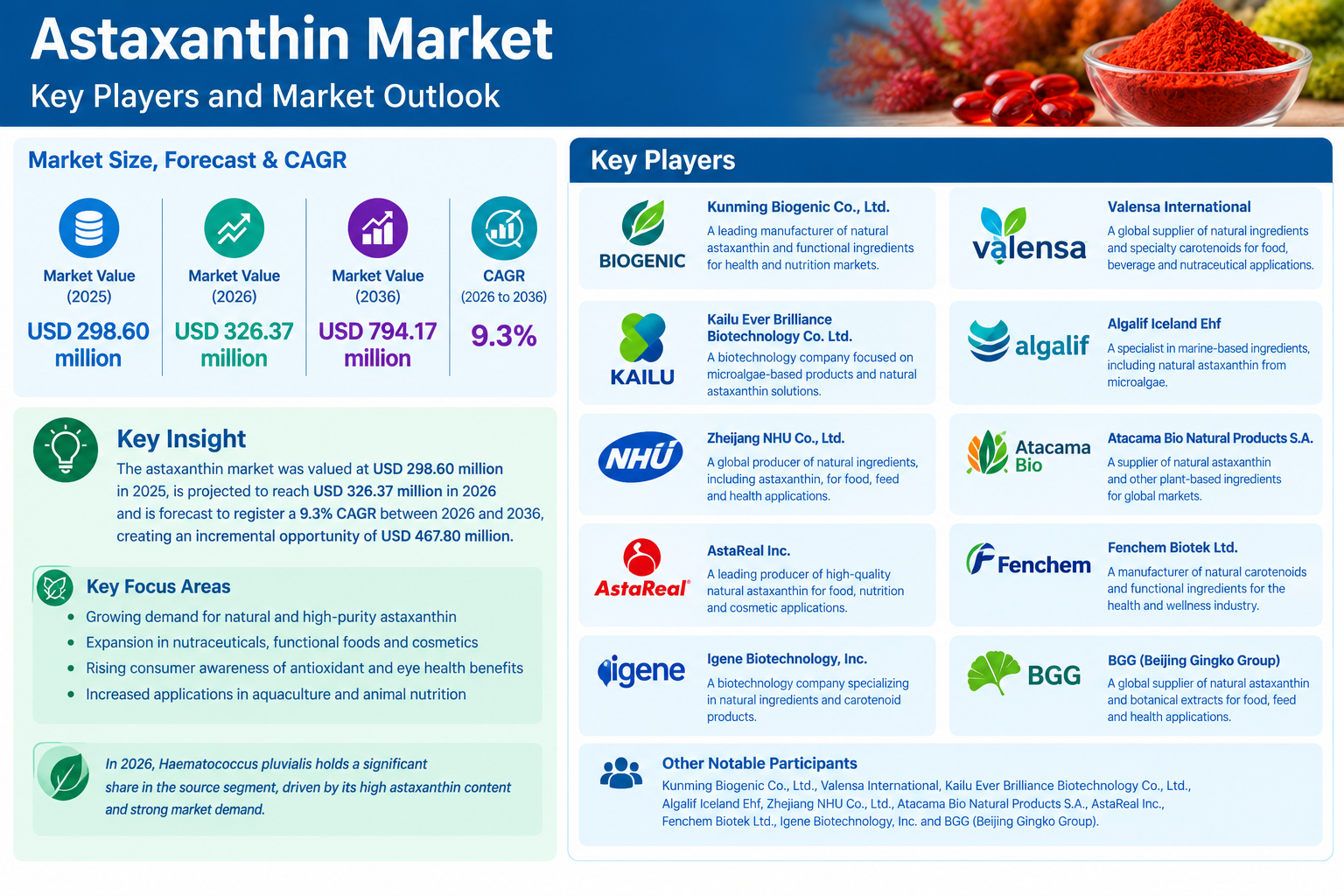
Astaxanthin Market Size By FMI Syndicated, Customized FMI Report News NEWARK, Del., October 13, 2026. — The global Astaxanthin Market was valued at USD 298.60 million in 2025 and is projected to reach USD 326.37 million in 2026, before growing to USD 794.17 million by 2036, expanding at a CAGR of 9.3% from 2026 to 2036, according to Future Market Insights (FMI). The market is expected to...
The remarkable expansion of the Lab Grown Diamond Jewelry Market is fundamentally driven by continuous technological advancements that have revolutionized diamond production. As per Market Research Future, innovations in manufacturing processes have dramatically improved the quality, consistency, and affordability of lab grown diamonds, making them increasingly competitive with their...

As the US Phosgene market evolves, a deeper understanding of market share dynamics emerges, showcasing the competitive landscape that defines this sector. The market is projected to reach USD 603.84 million by 2035, growing at a CAGR of 4.732%. This growth trajectory underscores the increasing demand across key sectors, particularly the pharmaceutical and chemical industries. The significant...