What Should Buyers Check in a Smart Kettle Thermostat Coupler?
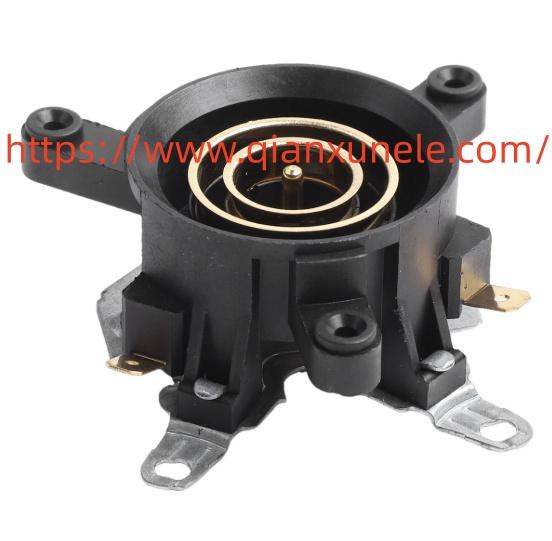
Smart Kettle Thermostat Coupler selection requires buyers to consider how temperature control, electrical connections, and protective functions work within the finished appliance. For manufacturers developing connected electric kettles, the purchasing decision should begin with the intended product design rather than price alone. Reviewing technical requirements early helps engineering and purchasing teams coordinate specifications, evaluate samples, and prepare for production.
Define the Intended Control Functions
Different appliance designs may require different temperature settings and operating modes. Buyers should identify whether their product needs water heating, temperature maintenance, automatic shutoff, or additional protective functions. These requirements determine which component configuration deserves further evaluation.
Manufacturers should clarify how the appliance responds when water reaches the target temperature. If the design includes dry-boil protection, ask how the selected model handles an insufficient-water condition and whether the function resets automatically.
Prepare a written list of required functions before contacting suppliers. This gives both parties a shared reference and helps prevent confusion between models with different control arrangements.
Verify Electrical Parameters
Electrical compatibility is essential when integrating a component into a heating system. Purchasing teams should check rated voltage, current capacity, frequency, contact resistance, insulation resistance, and withstand-voltage requirements where applicable.
The values must be verified against the documentation for the specific model. A rating shown for one product should not automatically be applied to every configuration offered by the same manufacturer.
It is also useful to provide the supplier with the appliance circuit diagram and expected operating conditions. Engineering teams can compare these details with the proposed specifications before approving samples. For products intended for different markets, confirm the applicable electrical and regulatory requirements for each destination.
Examine the Physical Connection
A component must fit the appliance structure and connect correctly with the associated base and heating assembly. Buyers should review terminal positions, contact arrangements, mounting dimensions, fixing methods, and the space available inside the product housing.
Photographs can help explain the general appearance, but technical drawings provide more useful information for confirming dimensions and alignment. If the project involves replacing an existing part, share its model number and measurements with the supplier.
For new product development, involve engineering personnel before finalizing the surrounding structure. Checking the connection arrangement during the design stage can help reduce avoidable tooling changes and assembly adjustments later.
Review Safety Features and Test Requirements
Protective functions should be evaluated according to the intended appliance application. Buyers should clarify the operating temperature, protection temperature, switching behavior, and expected response under relevant abnormal conditions.
Ask which tests are conducted for the proposed model and request available technical records. Depending on the specification, evaluation may include electrical insulation, withstand voltage, temperature response, and repeated operating cycles.
Manufacturers should establish sample acceptance criteria before testing begins. Recording the results provides a reference for engineering approval and subsequent incoming inspection. If a particular certificate is required, verify its scope and applicability rather than assuming that all models share the same approvals.
Consider Materials and Daily Operating Conditions
The operating environment can influence component selection. Heat, steam exposure, repeated heating cycles, and frequent placement or removal of the appliance should be considered alongside the mechanical design.
Buyers can ask about housing materials, insulation characteristics, permitted environmental conditions, and any installation limitations described in the product documentation. These details help engineers assess whether the proposed configuration suits the intended use.
Sample evaluation should include an inspection of the assembled unit, not just the component on its own. This allows the team to review fit, contact alignment, wiring access, and the relationship between the component and surrounding parts.
Prepare a Clear OEM Purchasing Checklist
A complete inquiry helps suppliers respond with relevant technical and commercial information. Include the appliance application, electrical ratings, required control functions, connection drawings, expected quantity, sample requirements, and target delivery schedule.
Manufacturers should also discuss packaging, minimum order quantities, production lead times, and procedures for handling design changes. When comparing quotations, use the same requirements for each supplier so that differences in model specifications and supply arrangements are easier to identify.
For OEM projects, confirm the approved sample and written specifications before releasing a larger order. Clear records help purchasing, engineering, and quality teams work from the same information throughout production.For manufacturers seeking temperature-control components for connected appliance projects, qianxunele provides a starting point for discussing product configurations and technical requirements. Prepare your electrical parameters, connection drawings, control functions, and expected order quantity before making an inquiry. Visit https://www.qianxunele.com/ to review available products and discuss a configuration that matches your appliance design and production plans.
Catégories
Lire la suite
Examining the global 3D Coordinate Measuring Machine (CMM) market, covering comprehensive solutions for precision dimensional inspection, key technologies including bridge, arm, gantry, and portable CMM systems, and the future outlook for precision measurement equipment through 2035. The Global 3D Coordinate Measuring Machine (CMM) Market represents the comprehensive landscape of precision...

The age-aged surprise incorporates as soon as yet again resurfaced: must the Buffalo Costs exchange for Cleveland Browns go rusher Myles Garrett?The age-aged wonder incorporates after once again resurfaced: need to the Buffalo Costs exchange for Cleveland Browns move rusher Myles Garrett?This coming immediately after NFL commentator Zach Frydenlund claimed upon ESPN Cleveland that there looks...

We should really return toward our substantial Tokyo Sequence insurance in the direction of recognize the most recent Dodger dwelling function against TokyoLive towards the Tokyo DomeShohei Ohtani omnipresence inside of JapanThe Eastern Dodgers ExperienceWhere within just Japan are Eli and Adric?If your self were being observing Shohei Ohtani spherical the bases the moment strolling off the...

Anticipated Growth in Revenue The global IVF Services Market is poised for significant expansion during the forecast period of 2026–2032, fueled by increasing infertility prevalence, delayed parenthood, growing awareness of assisted reproductive technologies (ART), and continuous advancements in fertility treatment procedures. The market was valued at approximately USD 26.7...

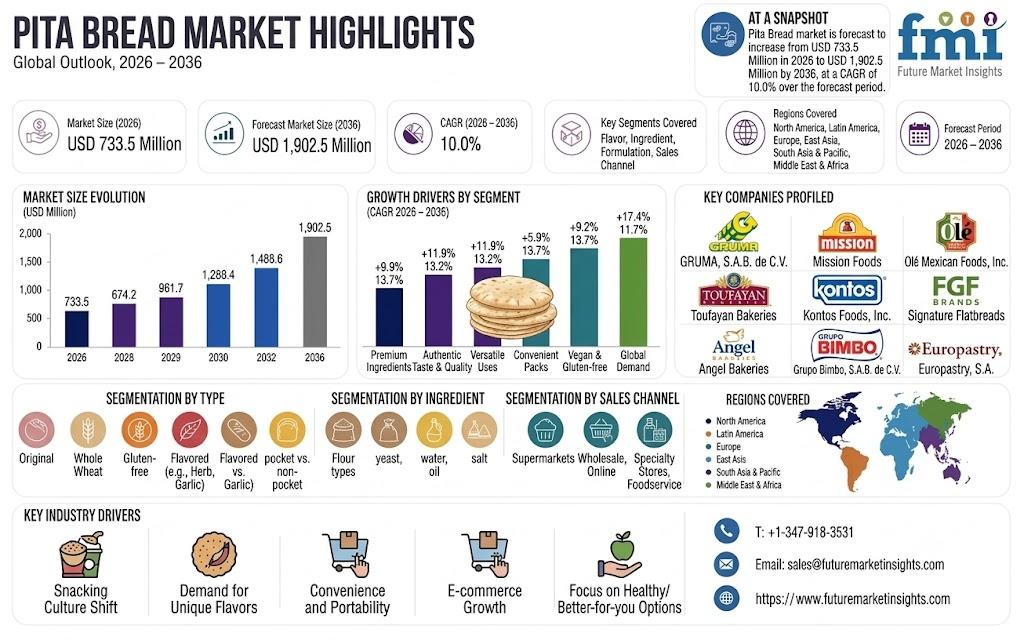
Pita Bread Market Classic-Original Pita Leads Product Demand at 37.0% The global pita bread market is forecast to increase from USD 733.5 million in 2026 to USD 1,902.5 million by 2036, expanding at a 10.0% CAGR during the 2026–2036 forecast period, according to Future Market Insights. Demand is expanding as restaurants, foodservice operators, retailers, and households increasingly use...