


Water Circulation, Equipment Design, and Everyday Pond Management
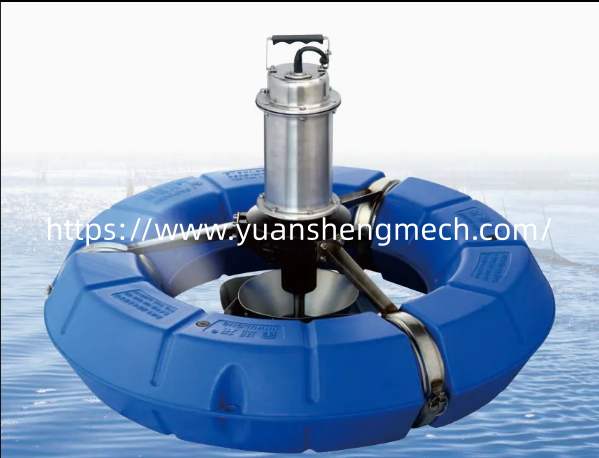
Maintaining a productive aquaculture pond involves more than feeding aquatic animals and monitoring water levels. Water movement, dissolved oxygen, temperature distribution, and organic waste all influence the environment in which fish and other aquatic organisms live. When evaluating a Surge Wave Pond Aerator, operators should consider how the equipment supports their pond management strategy, how it fits the layout of the water body, and how easily it can be maintained throughout routine operation.
Material selection is an important part of equipment suitability. Pond aeration systems operate in environments where moisture, sunlight, changing weather, and regular contact with water can affect exposed components. Materials used for structural parts and protective housings should be appropriate for these conditions. Operators should also consider how easily surfaces can be cleaned and inspected, particularly in ponds where algae, sediment, or organic matter may accumulate around equipment. Thoughtful material choices can help simplify maintenance and support dependable use.
Selecting an aeration system begins with understanding the pond itself. Pond shape, depth variation, stocking practices, water circulation patterns, and the presence of sheltered areas can all affect equipment placement. A system that works well in one pond may not provide the same results in another because water bodies differ in layout and management needs. Before purchasing, operators should review the existing water conditions and identify the main challenges they want to address. This creates a clearer basis for comparing equipment designs and installation options.
Aeration works by promoting interaction between water and air, while some systems also encourage circulation through the pond. These processes can help distribute oxygen more effectively and reduce areas where water movement is limited. However, the outcome depends on the pond environment, equipment placement, weather, and overall management practices. Aeration should therefore be treated as one part of a broader water-quality plan rather than a replacement for monitoring. Observing fish behavior and checking water conditions can help operators determine whether their management approach remains appropriate.
Water circulation is particularly relevant in ponds where conditions vary from one area to another. Stagnant zones may develop around pond edges, near obstacles, or in places with limited natural movement. Encouraging circulation can help move water between different areas and support more uniform conditions. Operators should assess the pond layout before installation, taking into account feeding locations, walkways, maintenance access, and other equipment. Suitable placement can improve practical access while reducing interference with everyday pond activities.
Daily usability also matters to aquaculture businesses. Equipment that is easy to inspect, clean, and access can reduce the burden on farm workers. Operators may need to check exposed components, remove accumulated debris, examine electrical connections where applicable, and follow the manufacturer's maintenance guidance. Clear operating instructions and accessible service points can make these tasks easier to organize. A practical maintenance routine helps identify developing issues before they cause unnecessary interruptions to pond management.
Equipment design influences both function and the way an aeration system fits into a working pond. The arrangement of moving components, protective structures, and mounting features can affect how the system interacts with the surrounding water. A design should support the intended circulation pattern while remaining practical for installation and routine inspection. The physical appearance may also matter in facilities that receive visitors or combine aquaculture with educational or recreational activities. In these settings, tidy placement and organized equipment areas can contribute to a more professional site.
Environmental conditions should be considered throughout the equipment's service life. Seasonal changes, heavy rain, hot weather, and variations in pond activity can alter water conditions and maintenance needs. Operators should establish a routine for observing the pond, checking equipment condition, and recording relevant changes. When an aeration system is part of a larger farm operation, coordination with feeding schedules, water exchange practices, and other management activities can help staff respond more consistently to changing conditions.
Taizhou Yuansheng Aquacul Ture Machinery Co., Ltd. provides aquaculture-related equipment for operators who need practical solutions for pond management and water movement. When evaluating aeration equipment, buyers can consider their pond characteristics, installation environment, maintenance routines, and water-quality objectives before discussing suitable options with a supplier. Information about the company's products and aquaculture equipment is available at https://www.yuanshengmech.com/.
Categorias
Leia Mais
The commercial aircraft lighting market is experiencing steady growth as airlines continue to modernize their fleets and improve passenger experience. Lighting systems play a crucial role in ensuring safety, operational efficiency, and comfort, making them an essential component of modern aircraft. One of the primary drivers of this market is the increasing number of air passengers worldwide....

Electric Garden Loader Factory usually sits quietly in the background of global equipment movement, but once projects start scaling across regions, it becomes a point everyone eventually pays attention to. Not because of marketing, but because everything downstream depends on how steady the upstream rhythm actually is. In real production environments, nothing works in isolation. Material...
I ca sit down, she laughed, referring to the crisp power suit. Otherwise my stylist will have to steam it while it's on me. For many in the industry, the current wave of creative resets could encourage a broader thinking of how creativity and commerce should interact. think the industry became so addicted to commercial success post. having a big portion of creative directors being will help to...

The future of the Facial Skin Analyzer Market is incredibly promising, characterized by rapid technological innovation, expanding applications, and a consumer base that is increasingly focused on personalized skincare and preventive health. As we look ahead to 2035, the market is projected to grow to $5 billion, driven by a combination of factors, including the rising awareness of...
Events gain depth when every detail reflects the host vision and connects with guests on a personal level especially through elements that appear in photographs and conversations long after the occasion ends. Party Printed Paper Napkins from papernapkinfactory allow hosts to incorporate names dates messages or unique patterns that capture the spirit of weddings birthdays corporate functions and...
