Materials Science and Enclosure Protection Analysis of the Waterproof Vent Market
Detailed market valuations, membrane material segmentations, and competitive vendor market shares are systematically evaluated in the Waterproof Vent Market intelligence coverage, benchmarking micro-porous membrane assemblies across automotive, consumer electronics, telecommunications, chemical packaging, and industrial electronics domains. In enclosed electronic housings, temperature fluctuations—such as an automotive headlamp cycling on and off or a solar inverter operating under direct sunlight—induce severe internal air expansion and contraction. In a completely hermetically sealed enclosure without a vent, internal pressure differentials exert continuous stress on perimeter elastomeric gaskets and silicone seals, eventually drawing ambient moisture, water droplets, and corrosive air directly into the housing through microscopic seal fissures. Waterproof vents eliminate this failure mechanism by continuously equalizing internal and external pressure while maintaining an absolute liquid-tight barrier. Tracking this market provides automotive systems engineers, battery pack designers, lighting enclosure architects, and membrane material scientists with essential visibility into water entry pressure (WEP), air permeability rates (Gurley seconds / Frazier numbers), oleophobic surface modifications, and lifecycle mechanical durability.
The technological architecture of the waterproof vent market is structured around membrane material physics, surface energy treatments, and mechanical mounting formats:
-
Micro-Porous Membrane Technologies:
-
Expanded Polytetrafluoroethylene (ePTFE): The predominant high-performance venting medium. Formed by expanding PTFE under controlled thermal and mechanical strain, ePTFE develops a complex, three-dimensional fibril-node microstructure. The resulting pores—typically between $0.1\,\mu\text{m}$ and $3.0\,\mu\text{m}$ in diameter—are approximately 20,000 times smaller than a water droplet, preventing liquid penetration via surface tension, yet hundreds of times larger than an air molecule or water vapor particle, enabling continuous gas diffusion and rapid pressure equalization.
-
Oleophobic and Hydrophobic Surface Treatments: Standard ePTFE is naturally hydrophobic (water-repellent) due to low surface energy. However, exposure to low-surface-tension industrial liquids—such as automotive oils, transmission fluids, surfactants, soaps, or detergents—wets out untreated PTFE, causing pore blockage or liquid leakage. Advanced vents undergo proprietary polymeric surface grafting to render the membrane oleophobic (oil-repellent), achieving oil hold-out ratings up to AATCC 118 Grade 8.
-
Track-Etched Polycarbonate/Polyester (PCTE/PET): Employs thin polymer films irradiated with heavy ions and chemically etched to form uniform, cylindrical, capillary-like through-holes. These provide precise pore size distributions and smooth surfaces, common in acoustic venting applications (smartphones, earbuds) where acoustic insertion loss must be minimized.
-
-
Mechanical Packaging and Integration Topologies:
-
Adhesive-Backed Vent Discs: Feature an ePTFE membrane laminated to a medical- or automotive-grade acrylic or silicone pressure-sensitive adhesive (PSA) ring. Designed for automated pick-and-place application onto internal enclosure surfaces, adhesive vents deliver low-profile packaging in consumer electronics, automotive sensors, and outdoor camera housings.
-
Screw-In and Snap-In Protective Plugs: Encapsulate the membrane within a robust, injection-molded polyamide (PA6/PA66) or stainless steel housing fitted with an integrated O-ring. Designed for rugged industrial enclosures, gearboxes, and telecommunications cabinets, these plugs resist mechanical stone impingement, high-pressure steam jets, and mechanical torque.
-
Direct Ultrasonic and Thermal Welding: The membrane is bonded directly onto plastic enclosure housings via automated ultrasonic or thermal staking tools, eliminating adhesive aging concerns and achieving high mechanical peel strength.
-
Automotive electrification, outdoor LED infrastructure, and consumer electronics waterproofing serve as the primary operational backbone sustaining capital investment in protective vents:
-
EV Battery Packs & High-Voltage Systems: Electric vehicle traction battery enclosures represent the single largest growth catalyst for high-performance venting. EV battery packs undergo constant thermal cycling during DC fast-charging and dynamic acceleration, demanding continuous breathing to prevent structural housing deformation. Furthermore, in the rare event of battery cell thermal runaway, the vent must transition from low-flow breathing to immediate, high-volume emergency pressure relief (dual-stage venting or burst-disc integration) to exhaust high-pressure toxic gases and prevent catastrophic pack explosion.
-
Automotive Exterior Lighting and Powertrain Sensors: Contemporary LED and matrix-laser headlamps generate concentrated localized heat while operating in rainy or car-wash environments. Waterproof vents exhaust moisture-laden air to prevent lens condensation and fogging—which degrades photometric beam patterns—while sealing against road splash and pressure washing.
-
Outdoor Telecommunications & Renewable Energy Systems: 5G Active Antenna Units (AAUs), outdoor microwave transceivers, and utility-scale solar inverters are exposed to continuous solar radiation, freeze-thaw cycles, and tropical monsoons. Waterproof vents rated to IP68 and IP69K ensure that internal electronics remain dry and pressure-neutral over 10-to-20-year outdoor operational lifespans without gasket dry-rot or water ingestion.
Looking ahead, the market trajectory for waterproof vents will be shaped by the integration of active sensorized membranes, dual-stage battery safety vents, and acoustic-optimized transparent films. As EV battery safety mandates (such as UN ECE R100 and GB 38031) tighten, vent manufacturers are commercializing integrated dual-stage pressure relief valves: these incorporate an ePTFE membrane for continuous, low-pressure moisture venting paired with an integrated spring-loaded or burst-membrane mechanical valve that activates instantaneously if internal pressure exceeds 200–500 mbar during thermal runaway. Concurrently, in hearables and smartphones, the push toward full IP68 water immersion without sacrificing audio clarity is accelerating the adoption of ultra-thin, low-acoustic-loss acoustic vents that transmit high-fidelity sound waves while barring liquid entry down to several meters of water depth. By pairing advanced fluoropolymer micro-porous membrane engineering with oleophobic surface chemistry, automated high-speed integration formats, and dual-action emergency relief mechanics, the waterproof vent industry continues to provide an essential protective foundation for electric mobility, industrial electronic enclosures, and ruggedized connected devices worldwide.
Millimeter Wave Precision Programmable Attenuator Market
Millisecond Level Pyro Safety Switch Market
Categorieën
Read More
MESA, ARIZONA MARCH 08: Eduard Bazardo 83 of the Seattle Mariners pitches in the course of the 3rd inning of a spring performing exercises sport versus the Chicago Cubs at Sloan Park upon March 08, 2025 in just Mesa, through John III The research are setting up in direction of filter within versus Peoria and we're beginning towards obtain some downright tantalizing films of pitchers throwing of...

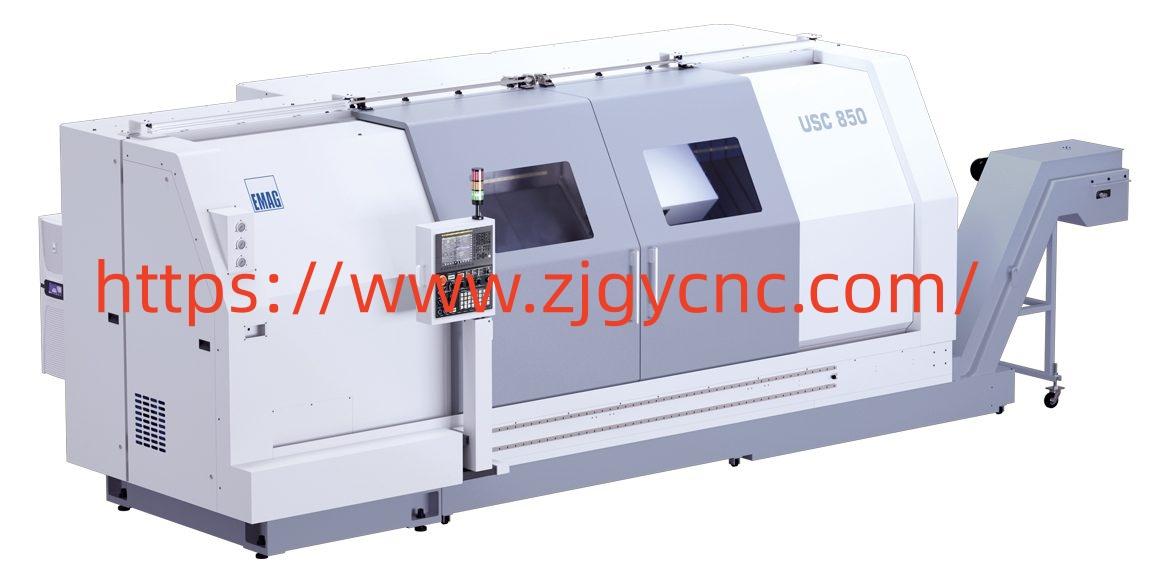
Universal CNC Lathe selection should begin with the actual parts a workshop plans to produce. Buyers should identify workpiece dimensions, material types, machining operations, required tolerances, production quantities, tooling arrangements, and available installation space before comparing machine configurations. This process gives purchasing teams a clearer basis for discussing...
The Chip Packaging Market is on the brink of a significant evolution, with the industry projected to reach a staggering market size of USD 145.07 billion by 2035, reflecting a compound annual growth rate (CAGR) of 3.22%. This forecast underscores a robust demand for advanced and sustainable packaging solutions, driven by the increasing miniaturization of electronic devices and the simultaneous...

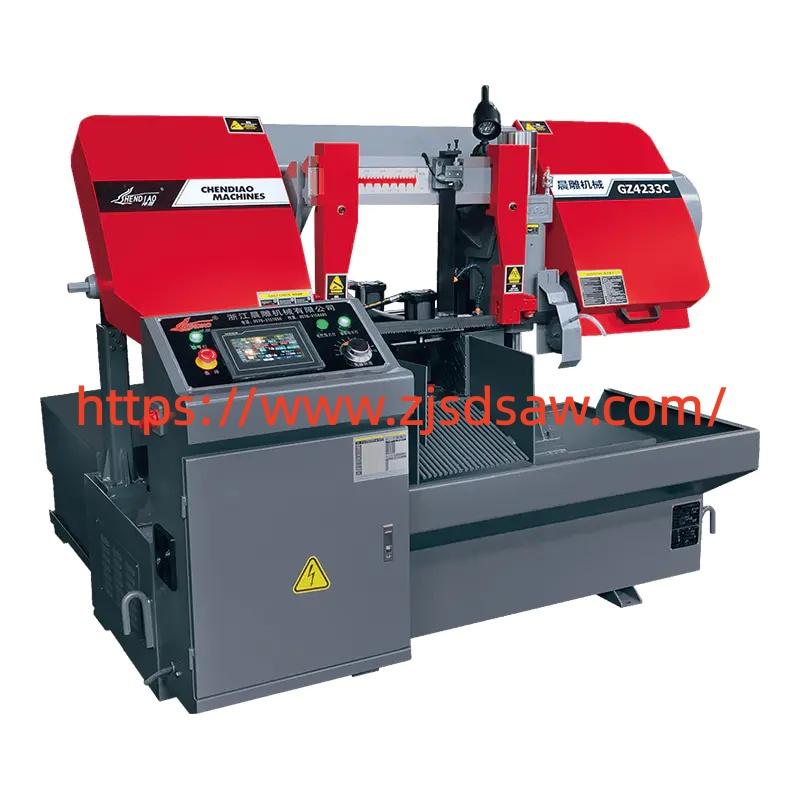
Horizontal Metal Cutting Band Saw Machine systems rely on a controlled break in process to extend the working life of a new continuous blade. When the tips first contact the workpiece they are extremely sharp and vulnerable to microscopic fractures if full pressure is applied immediately. A proper sequence begins by installing the continuous blade with correct tooth direction and setting...
L'analisi delle nuove tendenze nel gioco d'azzardo sociale: come i casinò online nel 2025 stanno integrando emozioni e relazioni tra i giocatori Il panorama del gioco d'azzardo è in continua evoluzione e, con il passare degli twindor kasyno anni, abbiamo assistito a una transizione significativa dal gioco tradizionale al gioco online. Nel contesto del 2025, i casinò online...