


Sustainable Growth: The Expanding Cottonseed Processing Sector
The agricultural processing industry faces increasing pressure to operate sustainably while meeting growing global demand. The cottonseed processing market exemplifies how traditional industries can evolve to address environmental concerns while maintaining economic viability. From energy-efficient extraction technologies to zero-waste production models, the sector is embracing sustainability as a core business principle. This shift is not merely about compliance or public relations; it is about recognizing that long-term profitability depends on responsible resource management.
The adoption of sustainable cottonseed processing practices is being driven by multiple stakeholders. Regulatory bodies are imposing stricter environmental standards on processing facilities, particularly regarding emissions and waste disposal. Consumers are increasingly choosing products with verifiable sustainability credentials, influencing food manufacturers to source ingredients from responsible processors. Investors are also applying environmental, social, and governance (ESG) criteria to their decisions, favoring companies that demonstrate sustainability leadership. These converging pressures are accelerating the industry's transformation toward more sustainable operating models.
Energy efficiency is a primary focus of sustainability efforts. Oilseed processing is energy-intensive, requiring significant heat for cooking, drying, and distillation processes. Modern facilities are implementing heat recovery systems that capture waste heat and reuse it in other stages of processing. Some are transitioning to renewable energy sources like solar or biomass to power their operations. The use of cottonseed hulls as a biomass fuel is particularly elegant, as it converts a processing byproduct into an energy source, reducing both waste and fossil fuel consumption. These energy initiatives reduce operating costs while lowering the carbon footprint of cottonseed products.
Water management is another critical sustainability concern. Processing facilities use water for seed cleaning, oil refining, and equipment sanitation. Responsible processors are implementing water recycling systems that treat and reuse process water multiple times. Some are investing in advanced wastewater treatment that removes contaminants before discharge, protecting local water resources. In water-scarce regions where cotton is often grown, these water conservation measures are particularly important for maintaining community goodwill and regulatory compliance.
The social dimension of sustainability is also gaining attention. The cottonseed processing industry provides employment in rural areas, but these jobs must be safe and fairly compensated. Leading processors are investing in worker safety programs, providing training and protective equipment, and offering competitive wages. Some are supporting community development initiatives in the regions where they operate, recognizing that their long-term success depends on healthy, thriving communities. This holistic approach to sustainability, encompassing environmental, social, and governance factors, positions the cottonseed processing industry for enduring success in a world that increasingly demands responsible business practices.
FAQs
What environmental impacts are associated with cottonseed processing?
Cottonseed processing can impact the environment through energy consumption, water use, and waste generation. Modern facilities address these impacts through energy efficiency measures, water recycling, and waste reduction programs. The industry is moving toward zero-waste models where all byproducts are utilized.
Is organic cottonseed processing different from conventional processing?
Organic cottonseed processing requires separate handling and processing lines to prevent contamination with conventionally grown seed. The processing methods are similar, but organic certification requires documentation of sourcing and handling practices. Organic cottonseed products command premium prices but represent a small fraction of the total market.
Categorii
Citeste mai mult
The Nicotine De-addiction Product market is undergoing a profound transformation, driven by innovations that are reshaping product development, consumer engagement, and treatment outcomes. According to an in-depth Nicotine De-addiction Product industry analysis, the market is witnessing a paradigm shift toward digital health integration, personalized cessation therapies, and...

Rolling Tray customization can help retailers develop accessory collections that reflect their customers preferences, store identity, and merchandising plans. When evaluating products for resale, purchasing teams need to consider practical construction, visual presentation, packaging, and expected demand. A carefully planned assortment can give businesses greater flexibility when organizing...
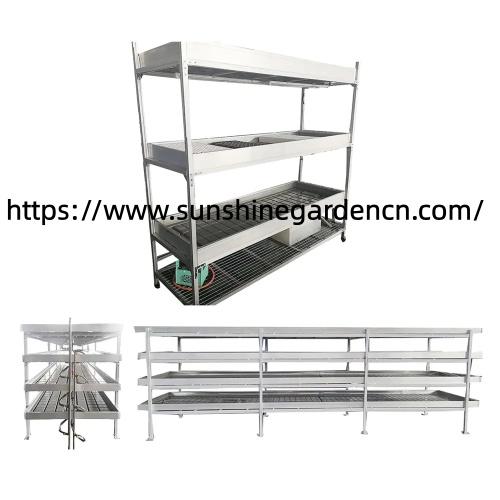
Chocolate coating is an important stage in confectionery manufacturing because it influences a product's appearance, texture, and overall presentation. Biscuits, nuts, wafers, fruit pieces, and snack bars may all require different coating approaches according to their shape and surface characteristics. When evaluating a Chocolate Enrober, manufacturers should look beyond the basic coating...
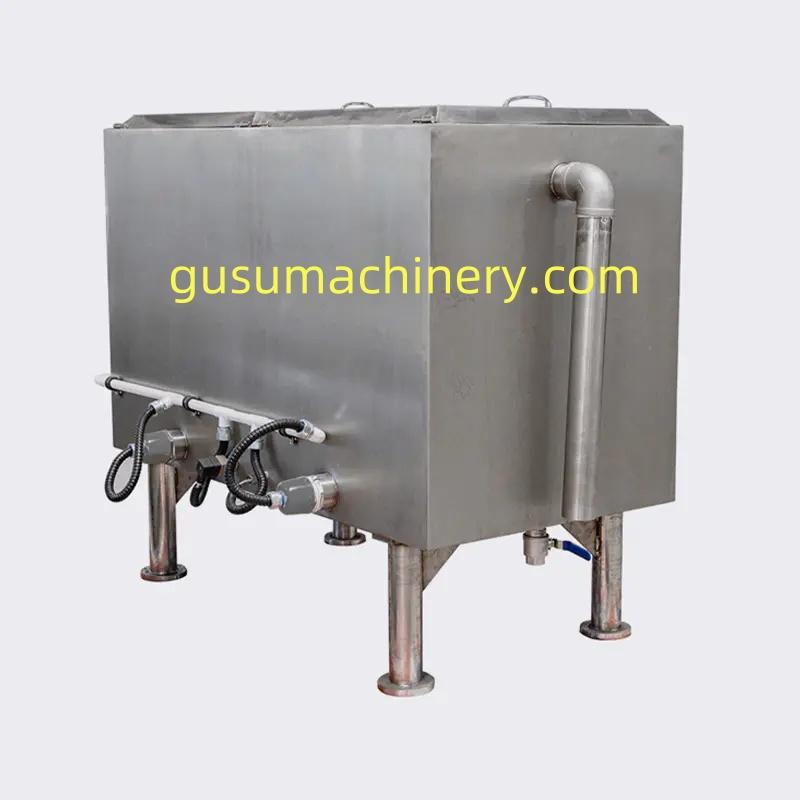
The aviation industry offers exciting career opportunities for students who dream of travelling, meeting people from different cultures, Institutes For Airport Ground Staff Training and working in a professional environment. Air hostess training institutes help aspiring candidates develop the knowledge, communication skills, and professional attitude required to pursue a career as cabin...

Asia-Pacific is becoming an increasingly important region for the global foodservice equipment industry as urbanization, rising disposable incomes, and changing consumer preferences encourage restaurant expansion. These trends are creating significant opportunities within the Restaurant Equipment Market. The global market is projected to rise from USD 99.87 billion in 2025 to USD 206.07 billion...