


DHM and the Science Behind Anti-Hangover Supplements: What the Research Says
Among the ingredients in the anti-hangover supplement market, one stands out for scientific attention: dihydromyricetin (DHM). Derived from the Japanese raisin tree (Hovenia dulcis), DHM has been studied for its potential to counteract alcohol's effects — particularly its interaction with GABA receptors, which are involved in alcohol intoxication. This research has made DHM a flagship ingredient for many brands, but the science is more nuanced than marketing sometimes suggests.
Preclinical studies have shown that DHM may reduce alcohol-induced impairment and anxiety-like behaviours in animal models, and may accelerate alcohol metabolism. However, human clinical trials remain limited, and results are not yet definitive. According to anti-hangover supplement market analysis, brands are investing in formulation research to differentiate their products, combining DHM with other ingredients such as N-acetylcysteine, B vitamins, and electrolytes to target multiple pathways — alcohol metabolism, oxidative stress, and dehydration.
The scientific challenge is that hangover is multifactorial: it involves dehydration, inflammation, sleep disruption, and acetaldehyde toxicity, among other factors. No single ingredient can address all of these. Therefore, comprehensive formulations that combine complementary mechanisms are more likely to show benefit — a trend visible in newer products.
Regulatory considerations are significant. Health claims about preventing or treating hangovers are restricted in many countries, and brands must navigate advertising rules carefully. Despite these constraints, consumer interest remains strong, and the anti-hangover supplement market continues to attract investment and innovation from both established supplement companies and startups.
People Also Ask
Q: What is DHM and how does it work?
A: Dihydromyricetin is a plant-derived compound studied for its effects on alcohol metabolism and GABA receptors, potentially reducing intoxication and hangover symptoms.
Q: Is there strong clinical evidence for anti-hangover supplements?
A: Evidence remains limited and mixed; some ingredients show promise in early research, but large-scale human trials are scarce.
Tags: #DHM #HangoverScience #SupplementResearch #AntiHangover #IngredientScience #MarketTrends
Κατηγορίες
Διαβάζω περισσότερα
According to WiseGuy Reports, the Oil And Gas Drill Bit Market is projected to grow from USD 7.73 billion in 2025 to USD 12.5 billion by 2035, at a CAGR of 4.9%. Oil and gas drill bits are cutting tools used to drill wells for oil and gas exploration and production. As energy demand grows and drilling technology advances, demand for efficient drill bits continues to expand. Understanding...
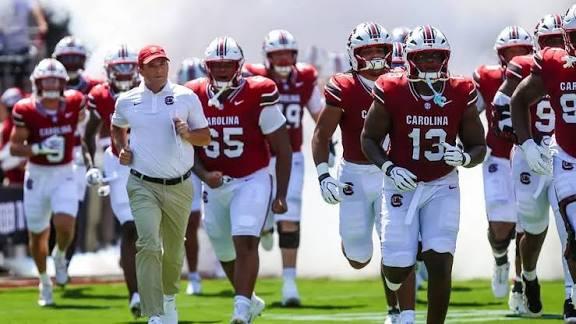
South Carolina Gamecocks Gain defender Dylan Stewart incorporates been termed one particular of the final a few returning gamers at his placement for the 2025 time. South Carolina Gamecocks Gain defender Dylan Stewart incorporates been termed 1 of the final 3 returning avid gamers at his issue for the 2025 year. The 2025 higher education soccer monthly period is fewer than 75 times versus...
Y2Mate is a popular online tool that helps you download YouTube videos quickly. You do not need to install any software or app. It works directly in your web browser, making it simple for everyone to use. With Y2Mate, you can download videos in different formats and quality levels, including HD. It also works on mobile phones, tablets, laptops, and desktop computers. Main Features of Y2Mate...

According to a report by IntelMarketResearch, global Linear Accelerators for Radiation market was valued at USD 4.45 billion in 2025 and is projected to grow from USD 4.55 billion in 2026 to USD 9.12 billion by 2034, registering a CAGR of 8.3% during the forecast period. Market expansion is being driven by rising global cancer incidence, increasing adoption of advanced radiotherapy,...

Мало кто задумывается, но успех процедуры зависит не только от рук мастера и качества материала. Гормональный фон клиентки — это скрытый, но очень мощный фактор, который может свести на нет усилия даже самого опытного профи. Разбираемся, как состояние организма влияет на наращивание волос.Беременность и лактация.В период беременности под воздействием эстрогенов волосы становятся гуще...
