Antimicrobial Resistance and the Quinolone Market: Preserving a Critical Class
Antimicrobial resistance (AMR) is the defining challenge of modern infectious disease medicine — and quinolones sit right at its epicentre. Because they are broad-spectrum, orally available, and historically inexpensive, quinolones have been used extensively across human and animal health. That very success has fuelled resistance, threatening a class that clinicians rely on for difficult infections. The quinolone market's future is therefore inseparable from the global fight to preserve antibiotic effectiveness.
Resistance to fluoroquinolones has risen sharply in pathogens such as E. coli, Klebsiella pneumoniae, and Salmonella, driven by chromosomal mutations and plasmid-mediated resistance genes. According to quinolone market analysis, stewardship interventions — including formulary restrictions, mandatory culture-guided prescribing, and bans on agricultural use in some regions — are already altering demand patterns. In mature markets, quinolone prescriptions for uncomplicated infections have declined, while use for severe, culture-confirmed infections remains essential.
The response from industry and regulators has been multifaceted. Surveillance networks track resistance trends to guide empirical therapy. Rapid diagnostics help clinicians choose targeted antibiotics instead of broad-spectrum agents. Pharmaceutical companies are exploring resistance-breaking quinolone derivatives and combination therapies designed to reduce the emergence of resistance during treatment.
Economically, the quinolone market faces a paradox: prices are low due to generics, yet the societal value of these drugs is immense. This mismatch discourages investment in next-generation quinolones. Incentive models — such as subscription-style payments for critical antibiotics — are being piloted to address it. The market's long-term health depends on balancing access with conservation, ensuring quinolones remain effective for the patients who need them most.
People Also Ask
Q: How has resistance affected quinolone use?
A: Rising resistance has led to stewardship restrictions and reduced prescribing for uncomplicated infections, while use for severe, confirmed infections continues.
Q: What is being done to preserve quinolone effectiveness?
A: Surveillance, rapid diagnostics, prescribing restrictions, agricultural use limits, and research into resistance-breaking derivatives are key measures.
Tags: #AMR #Quinolone #AntibioticStewardship #FluoroquinoloneResistance #PublicHealth #MarketAnalysis
Categorias
Leia Mais
Asia-Pacific is emerging as a significant growth region for the Rhenium Market, supported by industrialization, expanding aerospace activity, electronics manufacturing, and technological development. Market Research Future identifies Asia-Pacific as the fastest-growing regional market. China is highlighted as the leading country in the region. China's large manufacturing sector provides...

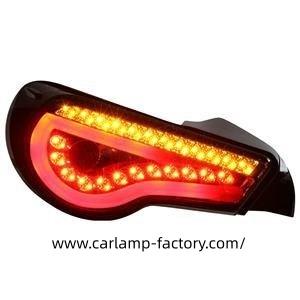
When selecting rear vehicle illumination, functionality and appearance must align. Baozhiwei Led Custom Tail Lights provide a combination of aesthetic refinement and operational reliability. Drivers increasingly recognize that well-designed lighting influences both safety and style, turning a routine accessory into a feature that conveys attention to detail and thoughtfulness on every...
North America is a key driver of the global medical ear speculum market, holding a significant share and influencing trends in product development and adoption. The region's advanced healthcare infrastructure, high awareness of ear health, and the presence of major medical device companies contribute to its leading position. This influence is a critical factor in the overall growth trajectory...
Upgrading a corrugated board production line involves more than purchasing new machinery. Existing components must fit the new equipment configuration, match the required board specifications, and operate within the intended production conditions. Corrugating rolls deserve particular attention because their dimensions, flute geometry, and mounting arrangements directly affect whether they can...

Anti-theft Structure Container Injection Mould is commonly applied in retail packaging projects where controlled opening features and stable product handling are important throughout transportation and display processes. In modern commercial environments, packaging systems are expected to support not only product presentation but also practical protection during storage, shipment, and...