How Can Gangnammould Logistic Pallet Mould Design Reduce Warping
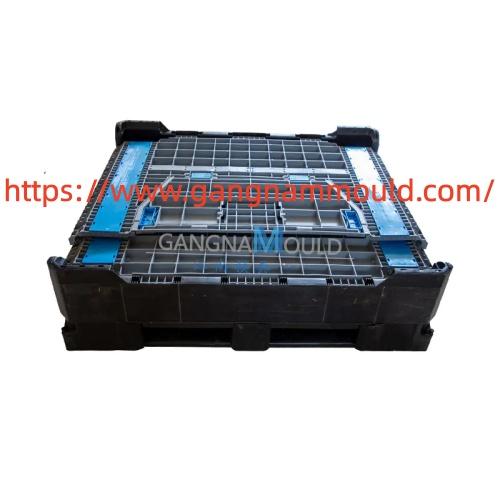
Logistic Pallet Mould manufacturing depends on more than cavity dimensions and steel selection. Cooling system design also influences how consistently a finished plastic product takes shape, how long each production cycle takes, and how easily manufacturers maintain stable processing conditions. For buyers planning a customized project, understanding the relationship between heat removal and product quality can help clarify technical requirements before tooling begins. A carefully planned cooling layout gives the engineering team a practical foundation for evaluating production targets, dimensional requirements, and long term operating costs.
During injection molding, molten plastic enters a cavity and gradually loses heat until it becomes sufficiently solid for removal. The cooling circuit carries heat away through channels within the tooling structure. If heat removal varies considerably across different areas, some sections may remain warm while others become firm earlier. This difference can affect shrinkage, surface appearance, and dimensional consistency. Cooling design therefore needs to consider the complete shape of the component rather than simply providing water channels wherever space is available.
Large plastic load carriers often contain broad surfaces, reinforcing ribs, support columns, and relatively thick sections. Each feature creates different conditions for heat transfer. A thick section may retain heat longer than a thin wall, while a deep core can make temperature control more difficult. If these areas are not considered during engineering, the finished product may develop uneven shrinkage or distortion after ejection. Reviewing the three dimensional design before machining starts allows engineers to identify potential thermal challenges and discuss practical adjustments with the customer.
Channel placement is one of the main decisions during cooling system development. Channels need to transfer heat effectively while maintaining sufficient steel thickness around the cavity and avoiding interference with ejector pins, slides, fasteners, and other moving elements. Their spacing and depth also influence temperature distribution. Placing channels too far from a heat generating area may limit heat transfer, whereas positioning them too close to a cavity surface can create structural concerns. The final arrangement must balance thermal performance, tooling strength, manufacturing feasibility, and maintenance access.
The choice of plastic material also affects cooling requirements. Different resins respond differently to temperature changes and have different shrinkage characteristics. Material grades containing reinforcing fibers may behave differently from unfilled plastics during cooling and dimensional stabilization. Buyers should therefore provide the intended resin grade, operating environment, appearance expectations, and mechanical requirements before the engineering team confirms the cooling concept. These details help the manufacturer evaluate suitable processing conditions instead of relying on assumptions that may not match the actual application.
Production cycle time is another reason to review thermal management carefully. After filling and packing, the component must cool sufficiently before it can be removed without unnecessary deformation. Extending this stage may increase the time required for each cycle, while reducing it without adequate validation can affect product stability. The objective is not simply to make the process colder or faster. It is to establish a practical balance between heat removal, safe ejection, dimensional requirements, and the production target agreed with the buyer.
Cooling performance should also be evaluated during trial production. Engineers can inspect flatness, overall dimensions, surface condition, and the fit of assembled components. If a sample shows warping or inconsistent dimensions, the team should investigate several possible causes, including temperature differences, wall thickness, material behavior, packing settings, and ejection conditions. Changing the cooling layout without identifying the source of the problem may not resolve the issue. Recording trial conditions and inspection results makes later adjustments easier to evaluate and document.
Maintenance deserves attention during the initial design stage as well. Cooling channels need accessible connections, clearly identified circuits, and a practical arrangement for cleaning and inspection. Poor access can complicate routine servicing, especially when the tooling contains several circuits or complex internal structures. Buyers should ask how the manufacturer plans to monitor coolant flow, check for leakage, and maintain consistent operating conditions. These discussions help establish realistic expectations for ongoing production rather than focusing exclusively on the initial tooling investment.
When evaluating a manufacturing partner, buyers can ask for cooling layout drawings, section views, material recommendations, trial procedures, and dimensional inspection plans. It is also useful to discuss the expected output, target machine, product weight, and critical dimensions before confirming a quotation. Gangnammould can be considered when reviewing customized tooling requirements for plastic products used in storage, handling, and industrial applications. Buyers can visit https://www.gangnammould.com/product/ to review the available product information and identify relevant options for a project discussion. Sharing drawings and production requirements with the engineering team can help establish a clearer scope for design, cooling arrangements, sampling, and quality checks. With these details agreed early, manufacturers and buyers can work toward a production process that balances product consistency, manageable cycle times, and practical maintenance requirements.
Categorii
Citeste mai mult
Health-conscious consumers, mature retail networks and strong supplement habits define North America. Together they shape the Propolis Market across the region, where propolis reaches buyers through pharmacies, specialty stores and e-commerce. Imports from established beekeeping countries help supply this steady appetite. What Is Driving the Market? Natural wellness is the biggest driver....

The sesame seeds market is experiencing strong growth due to increasing consumer awareness around nutrition and wellness. Sesame seeds, known for their rich nutrient profile, are widely used in food applications ranging from bakery products to oils and condiments. Their high content of healthy fats, protein, calcium, and antioxidants makes them a preferred choice among health-conscious...

Movement takes many forms, from walking through a busy day to practicing recreational sports or spending time outdoors. Knee Sleeves from Steriger offer businesses an opportunity to consider supportive accessories designed for different activities and wearing preferences. When assessing this product category, buyers can look at fabric construction, flexibility, fit, and intended use to identify...
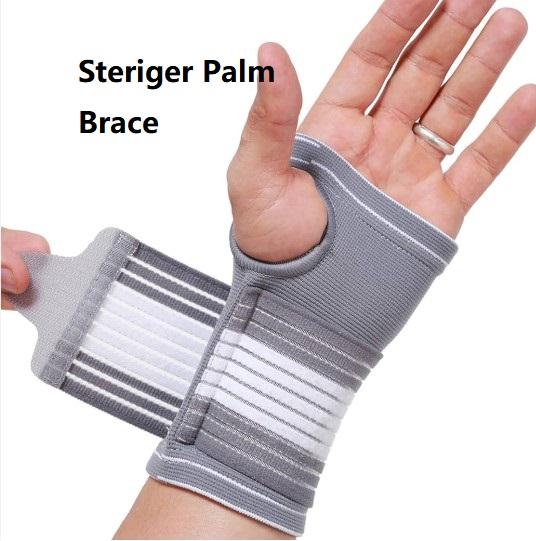
Dental implant surgery requires precision. The implant must be placed at the correct angle, depth, and position to ensure stability, function, and aesthetics. Small deviations can lead to complications, including nerve damage, inadequate bone support, or poor cosmetic outcomes. Traditionally, surgeons have relied on preoperative planning, surgical guides, and their own skill to achieve accurate...
Woody Fresh Perfume for Men can bring new ideas to fragrance collections by combining natural inspired aromas with modern grooming concepts. As customers continue to look for scents that reflect personality and lifestyle, brands are exploring different fragrance directions that balance freshness, warmth, and everyday appeal. Current fragrance conversations show growing interest in versatile...