Autologous vs. Allogeneic: The CAR T Manufacturing Race
The promise of CAR T therapy is constrained by a manufacturing challenge: creating personalized treatments at scale is complex, time-consuming, and expensive. Autologous therapy—using the patient's own cells—requires a bespoke manufacturing process for each patient, with vein-to-vein times that can delay treatment. Allogeneic therapy—using donor cells—offers the potential for off-the-shelf products but faces immunological hurdles. This tension is shaping competition and strategy in the CAR T cell immunotherapy market.
Within the CAR T Cell Immunotherapy Market, autologous therapy currently dominates. Approved products like Yescarta, Kymriah, Breyanzi, and Abecma are autologous, with proven efficacy in blood cancers. Manufacturing infrastructure has expanded, but capacity remains limited, and costs are high. Companies are investing in automation and process optimization to reduce turnaround times.
Allogeneic approaches are advancing. Using healthy donor T cells, manufacturers aim to create standardized products available immediately. Challenges include graft-versus-host disease risk, rejection by the patient's immune system, and durability of response. Gene editing technologies—including CRISPR—are being used to engineer allogeneic cells with reduced immunogenicity. Success could dramatically expand access and reduce costs.
Geographically, manufacturing capacity is concentrated in developed markets. Emerging markets face barriers to access, though some are developing local capabilities. The competitive landscape includes companies pursuing both approaches, with partnerships and acquisitions common.
Looking ahead, both autologous and allogeneic approaches will likely coexist, serving different patient needs. Autologous remains the standard for proven efficacy; allogeneic may capture share if technical challenges are overcome. For companies, manufacturing innovation—faster, cheaper, more scalable—is as important as clinical innovation. In CAR T therapy, the manufacturing race may determine the market's future.
People Also Ask
What is the difference between autologous and allogeneic CAR T?
Autologous uses the patient's own T cells, requiring personalized manufacturing; allogeneic uses donor cells, potentially enabling off-the-shelf products.
Why is CAR T manufacturing so expensive?
It requires specialized facilities, complex processes, and individualized production for autologous therapies—driving high costs and limiting scale.
Tags
#AutologousCART #AllogeneicCART #CARManufacturing #CellTherapyProduction #CARTCellTherapy #Biomanufacturing
Κατηγορίες
Διαβάζω περισσότερα
Black Cruise is a trusted provider of premium chauffeur services across the United States, delivering luxury transportation solutions for business travelers, executives, tourists, families, and individuals who value professionalism, comfort, and reliability. Whether you require seamless airport transfers, executive corporate transportation, hourly chauffeurs service USA hire, or private...

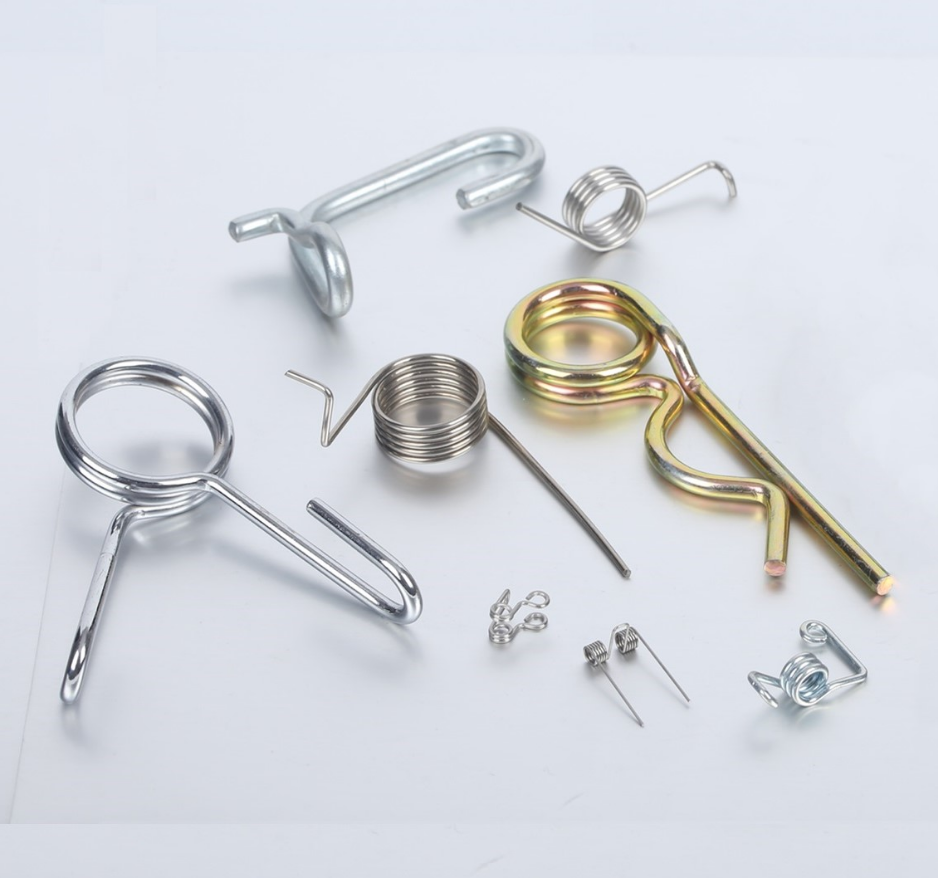
Mechanical springs operating under repeated torsional loading are subject to one of the most critical failure modes in engineering systems: fatigue fracture. In compact rotational assemblies, Double Helix Torsion Springs are often selected because their dual-load-path structure improves stress distribution compared to single-wire torsion elements. However, fatigue failure remains a...
Packaging is an essential connection between manufacturing and product delivery. Every package should help preserve product integrity while fitting smoothly into established production routines. Sterilization Flat Roll from Hopeway AMD is created for applications that require flexible packaging preparation and dependable material performance. As packaging demands continue to evolve,...

Имеются различные препараты, которые помогают уменьшить вес. Возможно будет выделить достаточно жесткие варианты, они причиняют колоссальный ущерб иммунитету, однако разумеется предоставляют результат. Другие медицинские препараты представлены в обширном ассортименте и любой сможет подобрать вариант, который подойдет. В отдельности надо выделить тирзепатид, его многие сейчас ученые называют...

The Military IoT market is a global industry with distinct regional characteristics shaped by defense budgets, geopolitical tensions, and technological capabilities. From the dominant North American market to the fast-growing Asia-Pacific region, the Military IoT Market presents a diverse geographic landscape. North America holds the largest share, while Asia-Pacific is the...