Why Do Thermostatic Shower Valves Need Temperature Limit Stops?
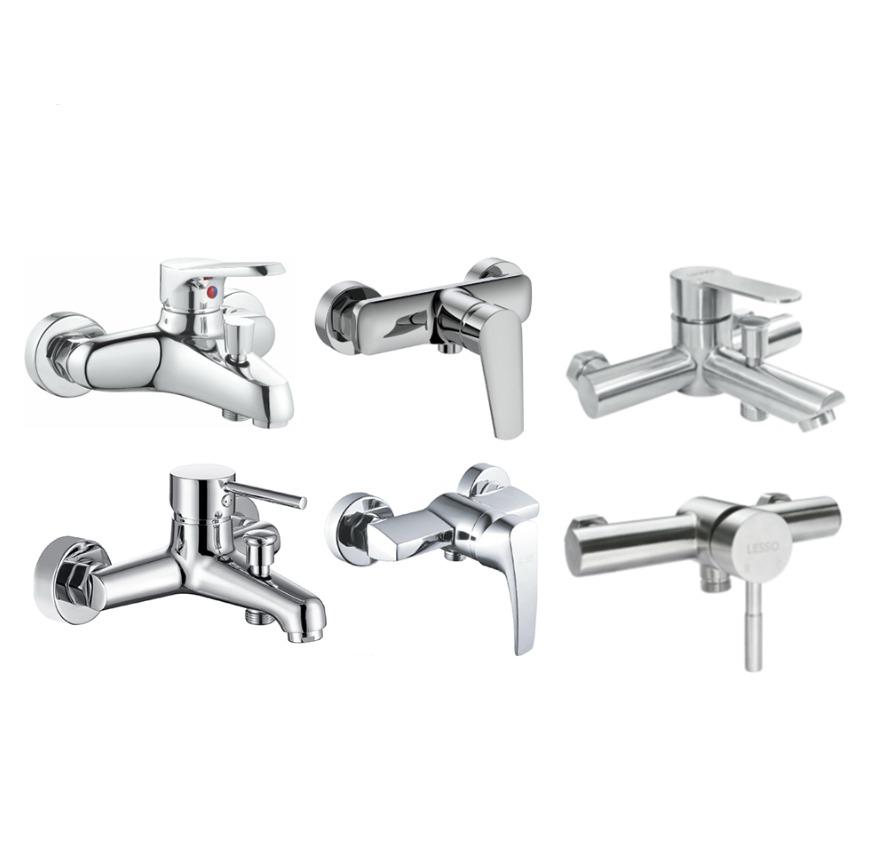
Turning a bath shower handle can feel very different depending on the valve hidden behind the wall or beneath the bath. Traditional mixer systems require users to balance hot and cold water manually, while a thermostatic bath shower valve uses temperature-sensitive control to regulate the mixed water.
The difference becomes noticeable during everyday use. Temperature can be set separately from water flow on many thermostatic systems, creating a more predictable control experience. The internal valve also responds to changes in incoming water conditions rather than simply leaving the hot and cold ratio fixed.
Temperature Has Its Own Control
Many thermostatic bath shower systems separate temperature adjustment from water volume. One control establishes the preferred temperature, while another controls how much water reaches the bath spout or shower handset. Moen, for example, describes a thermostatic system with separate thermostatic and volume-control valves.
- Temperature dial: Sets the desired mixed-water temperature.
- Volume control: Adjusts water flow without necessarily changing the temperature setting.
- Diverter: Directs water toward a bath spout, hand shower, overhead shower, or another outlet when included.
This arrangement changes the interaction with the fixture. Users do not need to recreate the preferred hot-to-cold mixture every time the shower is started. The temperature setting can remain established while flow is adjusted independently.

The Cartridge Is Continuously Responding
The main component behind this experience is the thermostatic cartridge. Many designs use a wax-based or similar thermal element that expands and contracts according to the temperature of the mixed water. Movement inside the cartridge changes the hot and cold water openings, helping the outlet temperature stay close to the selected setting.
That mechanism creates a continuous feedback process:
- Water becomes warmer: The thermal element reacts and restricts part of the hot-water supply.
- Water becomes cooler: The cartridge changes its position to allow a greater proportion of hot water.
- Temperature returns toward the setting: The internal mixing ratio is adjusted again.
Pressure-balancing valves operate differently. Their primary response is to changes in the relative pressure of hot and cold supplies, while thermostatic valves directly sense the mixed-water temperature.
Bath Filling Creates a Different Demand
A bath shower valve may serve two distinct outlets: the bath spout and the shower handset. These outlets can require different flow patterns, so valve configuration becomes an important part of the user experience.
- Bath filling: Higher flow capacity can be useful during tub filling, depending on the plumbing system and valve specification.
- Hand shower: Lower-volume controlled flow provides a different bathing experience from a tub spout.
- Multi-outlet layouts: Integrated or separate diverters can route water between different outlets.
Valve specifications therefore matter beyond the thermostatic cartridge. Inlet size, flow capacity, operating pressure, outlet configuration, and diverter arrangement can all affect the final performance. Some thermostatic systems use 3/4-inch inlets and are designed around higher-flow multi-outlet installations, although exact requirements depend on the product.
Safety Changes the User Experience
Temperature control also influences how the valve feels during unexpected changes in the water supply. A properly configured thermostatic system can compensate for changes in inlet temperature and, depending on its design, certain pressure variations.
Many products include a mechanical temperature limit stop. Such a stop restricts the temperature handle from moving beyond a preset point without deliberate adjustment. Some current systems use a safety setting around 38–40°C, although the actual factory setting and adjustment range vary by product and market.
Thermostatic technology can also provide additional surface-safety features. Certain modern mixers route cooler water near the outer housing, helping keep the exposed metal more comfortable to touch during operation.
Why Does the Valve Feel More Predictable?
The sensation comes from several design elements working together rather than from the handle alone. A temperature-sensitive cartridge continuously monitors mixed water, separate controls can divide temperature from flow, and a limit stop can establish a defined temperature boundary.
For households using both a bath and shower outlet, this combination can make the fixture feel more controlled than a conventional manual mixer. The user establishes a temperature rather than repeatedly balancing two supplies.
What Defines a Modern Thermostatic Bath Shower Valve?
Thermostatic bath shower valve design is ultimately about changing the control relationship between the user and the water. Temperature sensing, cartridge movement, separate flow control, diverter options, and safety stops all contribute to the experience.
Product details still deserve close attention. Brass valve bodies, ceramic or thermostatic cartridges, 1/2-inch or 3/4-inch connections, adjustable temperature stops, and different outlet configurations can create significantly different specifications between models.
That combination explains why a thermostatic bath shower system can feel noticeably different from a conventional mixer. The user interacts with the controls, while the valve performs continuous temperature regulation behind the scenes.
Categories
Read More
Regional dynamics in the experimental pig market reflect differences in research infrastructure, regulation, and demand. North America and Europe are leading markets, driven by advanced biomedical research, strong pharmaceutical industries, and well-established regulatory frameworks. In the experimental pig market, Asia-Pacific is a fast-growing region. Expanding research capabilities, growing...

The power of celebrity influence has become a formidable force in shaping consumer trends across all fashion sectors, and the Men's Jewelry Market is a prime example of this phenomenon. As per Market Research Future, celebrity endorsements are a pivotal driver, significantly impacting consumer preferences and purchasing decisions. When high-profile figures from music, sports, and film...
Recent findings suggest that dashboard warning lights are essential indicators that help drivers monitor vehicle health and performance, serving as the first line of defense against potential mechanical failures. According to Market Research Future, the automotive instrument cluster market continues to evolve with Automotive instrument cluster warning lights remaining a critical...

When exploring the realm of personalized beauty solutions, many individuals turn their attention toward products designed with specific needs in mind, especially those that adapt gracefully to various skin characteristics and environmental conditions. Custom Liquid Foundation from mgirlcosmetic stands out as a versatile choice crafted through detailed attention to shade matching and...

As manufacturing standards continue to evolve, packaging materials are expected to balance functionality, convenience, and compatibility with modern production processes. Tyvek Header Bag reflects this approach by offering a practical solution for applications requiring breathable packaging characteristics, while Hopeway AMD continues to develop packaging products that support a wide range of...