


Sourcing and Quality: The Trust Challenge in the Propolis Market
Propolis is a natural product, and nature is variable. The resin bees collect depends on the plants available in their environment, the season, and the bee species. This natural variability creates a quality challenge for the propolis liquid market: how can consumers and brands ensure that products deliver consistent, safe, and effective levels of bioactive compounds? Sourcing and quality control are becoming central to competition and trust.
In the Propolis Liquid Market, quality varies significantly. Propolis from different regions has different chemical profiles—Brazilian green propolis, European propolis, and Chinese varieties all differ in flavonoid content and bioactivity. Reputable brands specify source region and test for key compounds. Certifications—organic, GMP, third-party testing—provide assurance. Transparency about sourcing and testing builds consumer trust.
Sourcing challenges include supply chain complexity. Propolis is a byproduct of beekeeping, and supply depends on hive health, weather, and beekeeping practices. Traceability from hive to bottle is difficult but increasingly demanded. Some brands work directly with beekeepers or cooperatives to ensure quality and fair practices.
Contamination is a concern. Propolis can contain heavy metals, pesticides, or other contaminants depending on the environment. Testing for contaminants is essential for safety. Regulatory requirements for contaminants vary by market, and brands must meet applicable standards.
Standardization is an ongoing effort. Unlike synthetic drugs, natural products are inherently variable. Brands can standardize by blending raw materials to target compound levels, using consistent extraction methods, and testing each batch. Some products specify flavonoid content or other markers, providing consumers a basis for comparison.
Geographically, quality standards vary. Developed markets have stricter regulations and more informed consumers, driving quality investment. Emerging markets may have less oversight, creating both risks and opportunities for brands committed to quality.
Looking ahead, sourcing and quality will increasingly differentiate brands. Consumers are becoming more knowledgeable and demanding transparency. Blockchain and other traceability technologies may support supply chain visibility. For brands, investing in quality is investing in trust—and in a market where trust is the currency, that investment pays dividends.
People Also Ask
How can I tell if propolis is high quality?
Look for products specifying source region, flavonoid content, and third-party testing or certifications—transparency about sourcing and testing indicates quality commitment.
Why does propolis quality vary?
Propolis composition depends on local plants, season, and bee species—natural variability means standardization and testing are essential for consistent products.
Tags
#PropolisQuality #SourcingTransparency #NaturalProductTesting #PropolisLiquid #SupplyChain #ConsumerTrust
Категории
Больше
На сегодняшний момент косметология предложить может довольно много разнообразных вариантов ухода за кожей и дает возможность исправить процессы старения. Если говорить про самую известную косметологическую процедуру, то конечно же это ботулинотерапия. Данная процедура дает возможность улучшить состояние кожи, и при этом не используя хирургическое вмешательство. Но важно только позвонить в...

When facilities require advanced air movement capabilities a Multi Stage Centrifugal Fan Manufacturer stands prepared to address complex ventilation challenges across multiple sectors. Operations encounter situations where pressure demands surpass simple setups so layered impellers come into play building force progressively. This approach allows streams to travel extended routes inside ducts...

The Greenhouse Market plays a critical role in modern agriculture as global food systems adapt to climate change, population growth, and urbanization. Greenhouses enable controlled-environment farming, ensuring stable yields, efficient resource use, and year-round crop production. In 2024, the market reached a valuation of 39.3 USD Billion and continues to expand as sustainable...
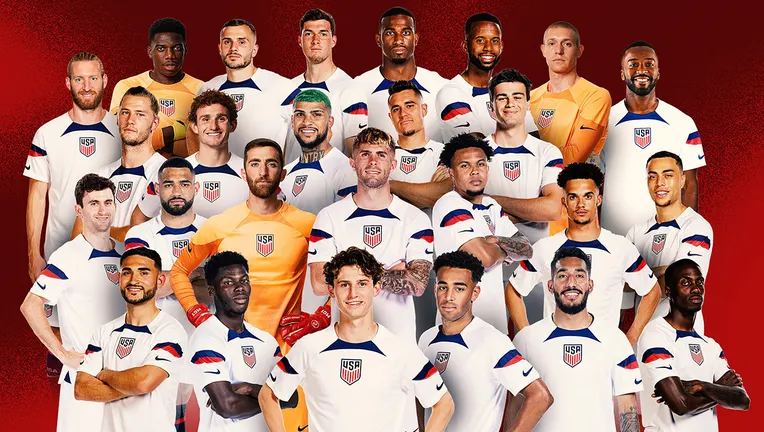
Within the 8 weeks considering that Mauricio Pochettino took price of the U.S. adult males's nationwide workers, the Superstars and Stripes incorporate realized contemporary lows. Within the 8 weeks considering that Mauricio Pochettino took value of the U.S. adult males's nationwide staff members, the Celebrities and Stripes consist of accomplished fresh a financially rewarding profession...
North America has established itself as the dominant region in the global Stem Cell Therapy for Diabetes-Related Conditions Market, driven by advanced healthcare infrastructure, significant investment in research and development, and a favourable regulatory environment for stem cell research. The region accounted for a substantial share in 2024, valued at approximately USD 937 million, and is...