


How IoT and Smart Monitoring Are Transforming Medical Refrigeration
A temperature excursion in a medical refrigerator isn't just an inconvenience—it can mean spoiled vaccines, discarded blood products, and compromised patient care. Historically, facilities relied on manual checks and paper logs to monitor storage conditions, leaving dangerous gaps between inspections. Today, that model is being upended by connected technologies that provide continuous visibility, real-time alerts, and automated documentation. The smart refrigerator revolution is reshaping how healthcare organizations protect their most temperature-sensitive assets.
The Medical Refrigerator Market is increasingly defined by these digital capabilities. IoT-enabled refrigerators transmit temperature data continuously to cloud platforms, allowing facility managers and pharmacy directors to monitor conditions from anywhere. When temperatures drift outside acceptable ranges, automated alerts reach responsible staff via email, text, or app notifications—often before any damage occurs. This proactive approach replaces reactive troubleshooting and dramatically reduces spoilage risk.
Beyond basic monitoring, smart refrigeration systems offer sophisticated features that support compliance and quality assurance. Automated data logging creates audit trails that satisfy regulatory requirements without the burden of manual recordkeeping. Integration with inventory management systems allows facilities to track expiration dates and rotate stock efficiently. Some systems even link temperature data to specific product batches, enabling precise recall management if needed. These capabilities are particularly valuable for hospitals, blood banks, and research institutions where traceability is paramount.
The business case for smart refrigeration extends beyond risk reduction. Energy management features optimize compressor operation and reduce electricity consumption, lowering operating costs over the equipment's lifecycle. Predictive maintenance algorithms analyze performance data to identify components approaching failure, scheduling service before breakdowns occur. This shifts maintenance from reactive to proactive, extending equipment lifespan and minimizing disruption. For large health systems managing dozens of refrigerators across multiple sites, these efficiencies compound significantly.
Adoption is accelerating as costs decline and familiarity grows. While premium smart refrigerators command higher upfront prices, the total cost of ownership often favors them when spoilage prevention and operational efficiency are factored in. Smaller facilities may start with retrofit monitoring solutions that add intelligence to existing equipment, then upgrade to fully integrated units as budgets allow. The competitive landscape reflects this demand: manufacturers are embedding connectivity as standard rather than optional, and specialized monitoring providers are partnering with equipment makers to deliver complete solutions.
Looking ahead, the integration of artificial intelligence and machine learning promises further advances. Predictive temperature modeling could anticipate cooling system stress based on ambient conditions and usage patterns. Automated compliance reporting could eliminate administrative burden entirely. For healthcare organizations, the smart refrigerator isn't just a piece of equipment—it's a node in an intelligent, resilient cold chain that protects patients and investments alike.
People Also Ask
What is an IoT medical refrigerator?
An IoT medical refrigerator uses connected sensors and cloud platforms to monitor temperature in real time, send alerts, and maintain automated compliance records.
Why is temperature monitoring important for vaccine storage?
Vaccines lose potency if exposed to temperatures outside their required range, so continuous monitoring ensures effectiveness and prevents costly spoilage.
Tags
#IoT #SmartRefrigeration #MedicalRefrigerator #ColdChainMonitoring #VaccineStorage #HealthcareTechnology
الأقسام
إقرأ المزيد
The coal briquettes market is on the brink of transformative changes, driven by increasing energy demands and a shift towards sustainable alternatives. According to , the market size is projected to reach approximately $63.03 billion by 2035, reflecting a compound annual growth rate (CAGR) of 5.02%. This growth trajectory underscores not only the rising consumption of coal briquettes but also...

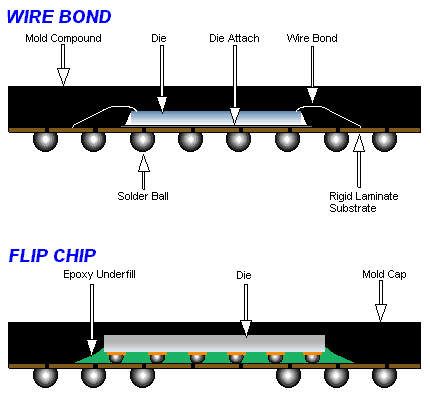
The global transition toward smart electrical grids and decentralized renewable energy ecosystems requires a new class of ruggedized, highly intelligent power electronic modules. These systems must seamlessly combine high-voltage analog power switches with low-voltage digital microcontrollers, a task that is perfectly suited for modern system-in-package packaging concepts. By leveraging flipped...
Китайские машины уже захватили весь по сути мир. Конечно, надежность и качество местами хромает, но цена намного дешевле, нежели автомобиль так например немецкого или же японского производителя. Однако качество постепенно повышается, ну а каталог автомобилей из КНР очень большой, что конечно увлекает заказчика. Почему же сегодня Европейские страны выставляют серьезные пошлины на авто из...
Sports Adhesive Tapes can be useful in many training and competition settings, but choosing a suitable option requires more than checking whether it sticks to the skin. Athletes, coaches, therapists, retailers, and purchasing teams may need to consider material structure, elasticity, skin compatibility, moisture exposure, application area, and expected wearing conditions. Different material...

In clinical diagnostics and research, the ability to measure multiple biomarkers simultaneously from a single sample is a game-changer. Multiplex ELISA kits enable this capability, offering significant advantages over traditional single-analyte assays in terms of efficiency, sample conservation, and cost-effectiveness. These kits are increasingly adopted in clinical diagnostics, research and...