How Does Qinlang Low Noise Duct Fan Handle Airflow Noise
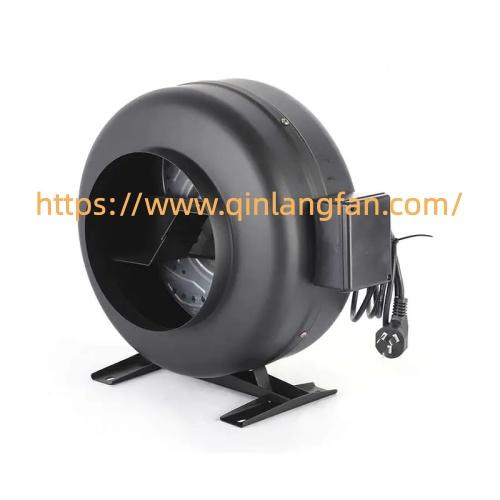
Low Noise Duct Fan performance depends on more than the equipment itself. When a ventilation system starts making an irritating hum, whistle, or rattling sound, the cause may be hidden somewhere between the motor, the ductwork, and the installation structure. For building owners and HVAC contractors, this can become a frustrating problem. The equipment may be new, the installation may look tidy, and yet the sound remains noticeable during daily operation. Before replacing the unit, it is worth checking what is actually creating the noise.
One common cause is restricted airflow. Air needs enough space to move through the ventilation network. When it passes through narrow sections, sharp bends, blocked filters, or partly closed dampers, turbulence can develop. This creates additional sound and may affect the amount of air reaching the intended space. A fan selected without considering the system resistance can also struggle to deliver the required airflow. Checking duct dimensions, filter condition, and pressure requirements can reveal problems that are easy to overlook during installation.
The location of the equipment matters as well. Imagine installing a fan immediately beside a tight elbow because there is little room above the ceiling. The arrangement may save space, but air entering or leaving the unit can become uneven. The resulting turbulence may produce a rushing sound that travels through the building. Where possible, allow sufficient straight duct sections near the inlet and outlet, and avoid abrupt changes in duct size. These small layout decisions can make a noticeable difference to the way the system sounds and performs.
Not every noise comes from moving air. A steady hum or repeated rattle may point to mechanical vibration. Loose mounting hardware, an unbalanced rotating component, worn bearings, or direct contact between the housing and nearby structures can all deserve attention. When vibration passes into a ceiling frame or wall, the surrounding structure may amplify the sound. Inspecting the mounting points and using suitable vibration isolation can help prevent this transfer. If the sound suddenly changes or becomes accompanied by unusual heat or a burning smell, stop the equipment and arrange a qualified inspection.
Operating speed is another detail worth reviewing. A fan running faster than the application requires may create unnecessary airflow noise, particularly when the duct network cannot accommodate the volume comfortably. However, simply reducing the speed is not always the right answer. Offices, kitchens, workshops, and other occupied spaces have different ventilation demands. The system still needs to deliver an appropriate amount of air. Contractors should compare actual airflow with the design requirement and check whether the selected motor and control arrangement suit the intended operating conditions.
For buyers, this is why product specifications deserve a careful look before an order is placed. Sound ratings, airflow capacity, static pressure, motor information, and installation dimensions should be considered together. A noise figure without clear testing conditions may not describe what people will hear after the equipment is connected to a real duct network. Ask suppliers how sound levels were measured and whether the stated performance applies to conditions similar to your project. Comparing products on a consistent basis gives purchasing teams a clearer picture of what to expect.
Maintenance should not be overlooked either. Dust buildup, dirty filters, loose connections, and deteriorating components can change how a ventilation system operates over time. A simple inspection schedule can help identify developing problems before they become persistent complaints. Cleaning should follow the equipment instructions, and electrical or mechanical repairs should be handled by qualified personnel. Keeping service records also helps facility managers notice patterns, such as noise that returns after a filter change or appears only at certain operating speeds.
For projects where sound levels are an important consideration, Qinlang offers ventilation equipment options for different installation and airflow requirements. Buyers can discuss duct dimensions, expected operating conditions, mounting arrangements, and maintenance access when evaluating a suitable model. Providing these details early helps the manufacturer understand the application rather than relying on a product name alone. It also gives contractors a practical basis for checking compatibility before installation begins.
A quieter ventilation system usually comes from several decisions working together, not from one product feature in isolation. Correct sizing, sensible duct routing, secure mounting, suitable speed control, and regular maintenance all play a part. If you are planning a new installation or reviewing an existing setup, start with the source of the sound and the conditions around the equipment. You can review Qinlang ventilation products and available product information at https://www.qinlangfan.com/ when comparing options for your next project.
Categories
Read More
Сейчас в клинике МедОсь обнаружите широкий выбор косметических и медицинских услуг, которые делают грамотные медики с применением самого современного технического оборудования, а кроме этого препаратов. Хотите улучшить состояние организма, психоэмоциональное состояние и внешнюю привлекательность? Порекомендуем сразу обратиться по номеру телефона, который представлен на сайте. Но в случае если...

The packaging industry witnesses a significant transformation as Folder Gluer machines incorporate connectivity and IoT features that reshape production floor operations. CenwanMachine, operating under Wenzhou Chengwang Machinery Co., Ltd., has positioned itself at this technological intersection, yet the specific connected capabilities now available demand thorough examination. What exactly...
A military mast may look like a simple vertical tower rising from a warship, but anyone who has spent time studying naval equipment knows it is far more than a decorative element. It is a dense, carefully engineered platform that carries the ship’s “eyes,” “ears,” and “voice.” When I first walked beneath one during a naval open day, I was struck by how...
The Hotel Textile Market is experiencing remarkable growth as the hospitality industry continues to recover and expand worldwide. Hotels are increasingly investing in premium-quality textiles to enhance guest satisfaction, improve brand reputation, and create memorable accommodation experiences. From luxurious bed linens and towels to curtains, upholstery, bathrobes, and decorative fabrics,...
The Eyewear Market is being reshaped by powerful trends in technology, sustainability, and personalization. From smart glasses to eco-friendly materials, the industry is rapidly innovating to meet the demands of a modern, tech-savvy, and conscious consumer base. Market Dynamics The Rise of Smart Eyewear A defining trend is the integration of smart technology into eyewear. Smart...