How Can a Veneer Door Suit Different Interior Styles?
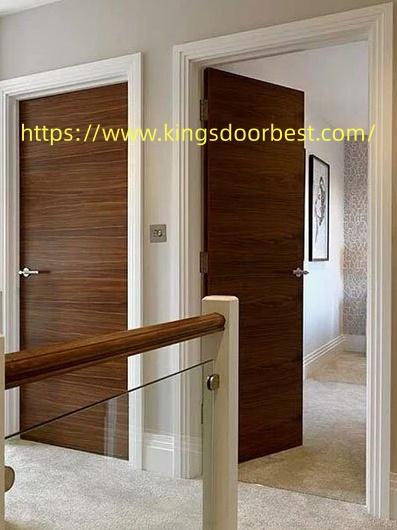
Veneer Door selection requires buyers to consider wood appearance, internal construction, surface treatment, dimensions, and the intended installation environment. For homeowners, contractors, importers, and property developers, these details influence how a product fits the overall design and practical needs of a project. Reviewing specifications before ordering helps buyers communicate clearly with manufacturers and reduce avoidable changes during production.
Identify the Desired Wood Appearance
The visible wood pattern can influence the character of a room. Light tones may suit contemporary interiors, while deeper shades can complement traditional furniture and decorative elements. Buyers should consider the relationship between the selected finish, flooring, wall colors, lighting, and surrounding furnishings.
Collecting reference photographs before contacting a supplier can make the design discussion more specific. Instead of describing a preference only as a natural look, identify the color range, grain character, and general visual style you want to achieve.
It is also useful to review the design under different lighting conditions. A surface may appear warmer or darker depending on the room, so samples can help buyers assess whether the proposed appearance suits the intended space.
Review Grain Patterns and Natural Variation
Wood grain contributes to the visual identity of a veneered surface. Depending on the selected material and cutting method, patterns may appear straight, curved, subtle, or pronounced.
Buyers should decide whether individual panels need a coordinated pattern or whether natural differences are acceptable. This consideration becomes particularly relevant in apartment developments, hotels, offices, and other projects where several units may be installed within the same visual setting.
Ask the supplier how appearance references are handled during production and what degree of variation can be expected. Record the approved sample and communicate any specific pattern preferences before confirming the order. Clear expectations help buyers balance design consistency with the natural characteristics of wood.
Examine the Internal Structure
The visible surface is only one part of the complete product. Panel construction, core materials, thickness, edge treatment, and assembly methods also deserve attention.
Request specifications for the selected model and confirm whether they meet the requirements of the project. Different applications may involve different priorities regarding weight, installation methods, hardware preparation, and budget.
Buyers should also clarify what the quotation includes. The panel, frame, hinges, handles, locks, and other accessories may be supplied together or priced separately. An itemized quotation makes it easier to understand the proposed configuration and compare offers using consistent requirements.
For customized projects, ask whether drawings or technical specifications can be reviewed before production. Confirming these details early helps align the design concept with the product that will actually be manufactured.
Check Surface Treatment and Care Instructions
Surface treatment affects the appearance, sheen, and maintenance needs of a wood finish. Some interiors call for a subdued matte appearance, while others may use a more noticeable sheen to complement the surrounding design.
Request finish samples where available and compare them with the materials already selected for the room. Buyers should also ask about cleaning methods, routine maintenance, and any substances that should be avoided.
The intended environment matters as well. Products designed for standard indoor conditions may not be appropriate for areas with persistent moisture or unusual exposure. Confirm the recommended application and relevant limitations with the supplier before finalizing the specification.
Confirm Measurements and Hardware Requirements
Accurate measurements are essential for installation planning. Buyers should confirm the opening height and width, panel thickness, frame dimensions, opening direction, and required clearances before approving production.
For buildings with different room layouts, prepare a schedule that identifies each opening and its associated specifications. Drawings can provide additional clarity when customized dimensions are required.
Hardware details should be checked at the same time. Hinge positions, lock preparation, handle placement, and reinforcement requirements may affect the manufacturing process. Confirm which components are included and who is responsible for supplying any additional items.
Before production begins, review the final drawings and written specifications. If the project changes, update the documents and obtain approval from the relevant parties to avoid inconsistent instructions.
Assess Samples, Packaging, and Order Terms
Samples give buyers an opportunity to evaluate the finish and construction before committing to a larger quantity. Confirm that the sample represents the intended specifications and keep a record of the approved reference.
Packaging is another consideration for long-distance deliveries. Ask how products are protected against scratches, edge damage, and movement during transportation. The packaging plan should reflect the shipment method, handling conditions, and order quantity.
Buyers should also review production schedules, minimum order quantities, payment terms, inspection arrangements, and delivery responsibilities. For repeat purchases, maintaining records of approved finishes, dimensions, and configurations can make future orders easier to coordinate.
Prepare a Clear Manufacturer Inquiry
A well-prepared inquiry should include the project type, preferred appearance, measurements, estimated quantity, delivery destination, and customization requirements. This information helps the manufacturer understand the request and respond with relevant product options.For residential renovations, hospitality interiors, and commercial developments, kingsdoorbest provides a point of contact for discussing design preferences, finishes, specifications, and purchasing arrangements. Prepare your reference images and project details before contacting the company, then visit https://www.kingsdoorbest.com/ to review its product information and discuss suitable options for your upcoming project.
Κατηγορίες
Διαβάζω περισσότερα
Leased line services provide businesses with dedicated, high-speed internet connectivity designed for consistent performance and secure communication. Unlike shared broadband connections, leased lines offer exclusive bandwidth, ensuring stable speeds and minimal downtime. These services are ideal for organizations that depend on uninterrupted connectivity for cloud applications, video...

The performance of an Electroplated Diamond Hole Saw is strongly determined by its manufacturing process. Unlike mechanically sharpened cutting tools, this type of hole saw relies on electrochemical bonding technology that embeds diamond particles directly onto a steel substrate. The precision of this process directly affects cutting stability, lifespan, and hole accuracy. Core...

Бот ТГ Шерлок имеет в наше время несколько важных преимуществ и недостатков. Обнаружить объективный материал о данном боте, а кроме того функциональных возможностях его - трудно. Обычно одни статьи восхваляют Телеграм бот Sherlock, остальные же объясняют, что владельцы попросту мошенники, а данные, которые выдает сервис - фейковые. Итак, давайте попробуем в этом материале разобраться и...

Maintaining balanced water conditions is an important part of modern aquaculture, especially when ponds require continuous circulation and oxygen management. A Circumferential Aeration Aerator can create broad water movement around its operating area, making it useful for different pond layouts and farming environments. By combining circulation with surface air contact, a Circumferential...
In manufacturing processes that bring materials together or press them against a working surface, the roller assembly can influence how evenly the material moves and makes contact. When evaluating Squeeze Rollers, equipment designers should consider the interaction between roller surfaces, the material being processed, and the mechanism that controls pressure. These components may be used in...