How Is 3D Printing Transforming Orthotic Clinical Workflows?
Orthotic care has historically been a craft: a clinician casts a limb, sends the mold to a fabrication lab, and waits days or weeks for the finished device. 3D printing is compressing that timeline and changing who can deliver orthotic care. The workflow transformation is a major driver of growth in the 3D Printed Orthoses Market.
Digital Scanning Replaces Plaster Casting
The most visible change is at the point of capture. Handheld scanners and smartphone-based photogrammetry now capture limb geometry in minutes, producing a digital file that replaces the messy, time-consuming plaster cast. Digital files are stored, modified, and transmitted instantly, which improves accuracy and enables remote collaboration between clinicians and fabrication partners.
Faster Turnaround and Distributed Production
A second change is production speed. Once a design is finalized, printing can begin immediately, and facilities can produce devices locally rather than shipping molds to a central lab. This distributed model reduces turnaround from weeks to days, which matters for post-surgical and pediatric cases where anatomy changes quickly. Faster delivery improves patient satisfaction and supports higher clinical throughput.
People Also Ask
How has 3D printing changed orthotic workflows?
It replaces plaster casting with digital scanning and enables local, rapid production, reducing turnaround from weeks to days.
Can orthoses be printed at the clinic?
Yes—chairside and in-clinic printing is increasingly common, though many providers still use centralized digital fabrication partners.
As scanning and printing technology becomes more accessible, 3D printed orthoses will continue to displace conventional workflows, driving market growth.
Tags: #3DPrinting #OrthoticWorkflow #DigitalScanning #ClinicalInnovation #MedicalDevices
Categorias
Leia mais
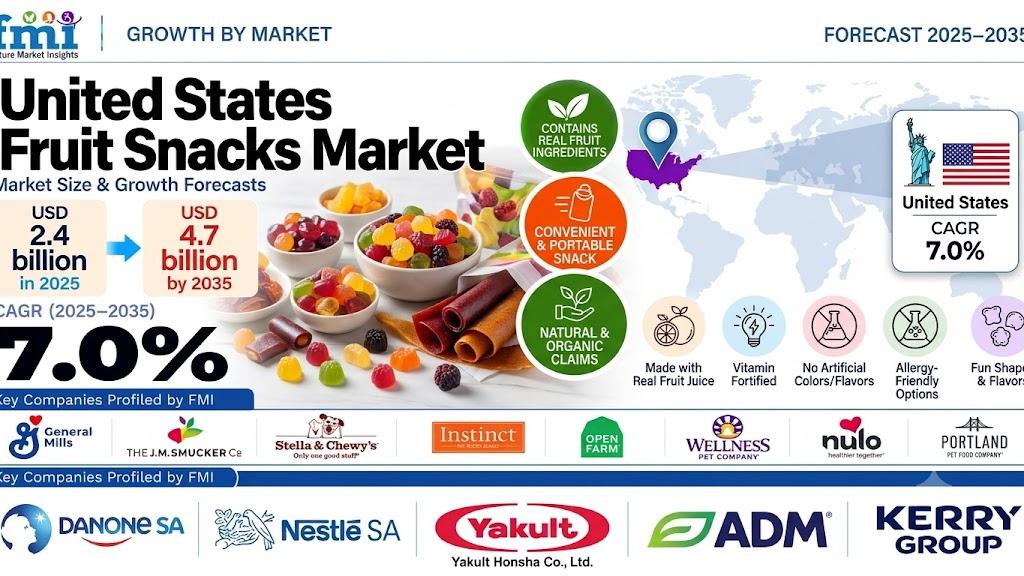
Demand for Fruit Snacks in USA Market Outlook NEWARK, Del., October 22, 2026 — The United States Fruit Snacks Market is gaining momentum as consumers increasingly seek convenient, fruit-based alternatives to traditional snack foods. According to the latest market intelligence report published by Future Market Insights (FMI), demand for fruit snacks in the United States is projected to...
Large cooling tower systems are the pinnacle of cooling tower engineering, designed to handle the immense heat rejection demands of utility-scale power plants, massive refineries, and other mega-industrial facilities. These are not off-the-shelf products; they are custom-designed, built, and assembled on-site to meet the specific requirements of each project. Findings from Market...

A GNSS receiver module is one of those components that quietly determines whether a device feels reliable or frustrating. When I first worked with one in an embedded project, I realized how much engineering finesse is packed into a piece of hardware barely larger than a coin. Although it appears simple from the outside, a GNSS receiver module is a carefully orchestrated system that listens to...

The Mints Market is expanding as manufacturers focus on innovative flavors, improved formulations, and new product concepts to attract changing consumer preferences. The confectionery industry is experiencing increased demand for products that provide unique taste experiences while offering convenience. As per Market Research Future, continuous innovation, consumer interest in diverse flavors,...
Modern packaging industries are continuously searching for solutions that combine safety, convenience, and attractive design. As product protection becomes increasingly important, manufacturers are focusing on developing packaging systems that improve reliability throughout production and usage. A professionally designed Anti-theft Structure Container Injection Mould supports the creation...