


What Should Buyers Ask an SPC Flooring Manufacturer?
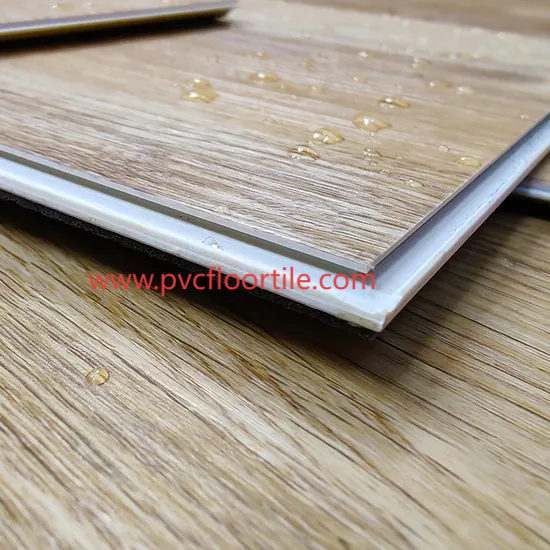
SPC Flooring Manufacturer selection requires careful consideration of product specifications, sample consistency, quality procedures, documentation, and order management. Importers, distributors, contractors, and private-label businesses should assess these factors before comparing quotations. A structured review helps buyers determine whether a proposed product matches their intended application, purchasing requirements, and destination market.
Identify the Required Product Specifications
Begin by defining the intended installation environment, expected foot traffic, design preferences, and maintenance requirements. Residential renovations, offices, retail interiors, and hospitality projects may have different expectations for appearance and product performance.
Ask for a specification sheet covering the core structure, overall plank thickness, wear-layer thickness, dimensions, surface treatment, edge design, and locking profile. If an attached underlay is included, confirm its material and thickness separately.
These details provide a consistent basis for comparing quotations. Products with similar dimensions may have different constructions or surface treatments, so buyers should review the complete configuration instead of relying on one measurement. Record the agreed specifications in writing to ensure that the quotation, approved sample, and purchase order refer to the same product.
Request Samples and Check Their Details
Product photographs can help buyers compare colours and patterns, but physical samples allow a closer assessment of texture, finish, and assembly. Request samples that represent the proposed configuration.
Inspect each sample under different lighting conditions. Check for visible marks, uneven finishes, damaged edges, and noticeable colour differences. Connect several planks to assess joint alignment and the appearance of the assembled surface.
For projects involving multiple designs, assign a reference code to each sample and record its colour and specifications. Retain an approved sample for comparison with the delivered goods. This approach can help distributors manage repeat orders and assist contractors working across several project phases.
If custom colours, patterns, or packaging are required, confirm whether the sample reflects the proposed production version. Any changes should be reviewed and approved before the order proceeds.
Understand Quality Inspection Procedures
Ask how product quality is checked at different production stages. Relevant procedures may include incoming material checks, dimensional measurements, surface inspection, profile verification, and carton checks before dispatch.
Buyers should understand how inspection results are recorded and how products that do not meet agreed requirements are handled. Ask which procedures apply to the selected configuration and whether supporting records are available.
Depending on the intended application and destination market, relevant testing may cover dimensional stability, surface wear, stain resistance, indentation, locking performance, or indoor emissions. Request reports that identify the tested product and the methods used. Confirm whether the documentation satisfies the requirements of the intended market.
For larger purchases, consider a pre-shipment inspection. Agree on the inspection scope, sampling method, acceptance criteria, and reporting format in advance. Written criteria give both parties a clear reference for evaluating the completed order.
Review Technical Documents and Packaging
Request available technical data sheets, installation instructions, maintenance guidance, warranty conditions, and relevant test reports. Check that the documentation matches the product being quoted instead of assuming that a general report applies to every design.
Packaging requirements should also be confirmed before the purchase order is finalised. Verify the number of planks per carton, coverage per package, carton dimensions, labels, barcodes, and pallet arrangements.
For private-label orders, review the artwork and printed information before approving production. Confirm who will check label accuracy and whether packaging changes could affect the delivery schedule. Clear records help purchasing teams coordinate with warehouses, logistics providers, installers, and retail partners.
Confirm Production Timelines and Communication
Ask about sample preparation, estimated production time, minimum order quantities, packaging preparation, and shipping arrangements. Confirm the expected schedule for the specific order, particularly when custom designs or printed cartons are involved.
Establish which approvals are required before production starts. These may include the final sample, technical specifications, colour references, packaging artwork, and inspection plan. Identify the person responsible for progress updates and clarify how changes or delays will be communicated.
For repeat orders, ask how approved samples, product codes, and specification records are maintained. Consistent records help both parties work from the same requirements and discuss any proposed changes before goods are dispatched.
Compare the Complete Purchasing Offer
Price matters, but buyers should also compare construction, documentation, packaging, inspection arrangements, payment terms, and delivery estimates. Comparing unit prices alone may overlook differences in the products or services included.
Prepare a comparison sheet for each potential supplier. Record the proposed specifications, sample observations, available reports, order quantities, delivery schedule, and unanswered questions. Request written clarification wherever details are incomplete, then ensure that the final purchase order reflects the agreed requirements.For buyers evaluating interior surface materials, pvcfloortile provides a starting point for discussing product designs, technical details, and sourcing requirements. Visit https://www.pvcfloortile.com/ to review the available product information and prepare an enquiry based on your project specifications, order quantity, and packaging needs.
Kategorien
Mehr lesen
Guanfengmotor provides comprehensive information on High-Power Grinding Machine equipment through its professional platform where technicians and workshop operators discover solutions for demanding material processing needs. The manufacturer emphasizes robust engineering practices that meet conditions encountered in metal fabrication shops construction sites and industrial maintenance...
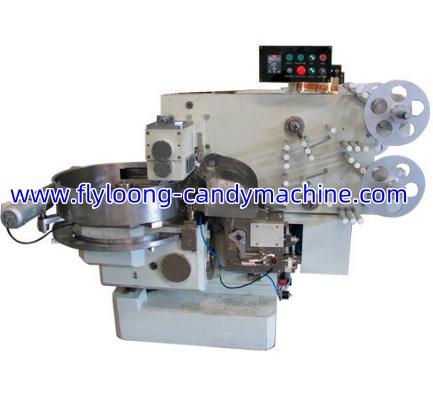
A candy wrapper does more than protect a sweet; it creates the first visual moment between a product and its audience. In this space, Twist Packing Machine and Flyloong-Candymachine come together around a simple idea: packaging should complement the personality of confectionery while fitting naturally into the rhythm of modern production. From the movement of wrapping materials to the final...
В случае если планируете найти проверенного партнера или поставщика, чтобы покупать периодически какую-то продукцию, необходимо не торопясь его оценить. Так например следует удостовериться, что подобный исполнитель самостоятельно производит товары. Описывать подробно этот момент смысла нет, ведь понятно итак, в том случае, если вы сотрудничаете с изготовителем, значит сможете получить более...

Die Fruchtbarkeit des wettbewerbsfähigen Glücksspiels: Einblicke in das Wachstum und die Diversifizierung der Nischenmärkte im Online-Casino-Sektor 2026 Der Online-Casino-Sektor hat in den letzten Jahren eine bemerkenswerte Evolution durchgemacht. Mit dem stetigen Anstieg der Technologie und den sich verändernden Verbraucherpräferenzen hat der Markt nicht nur sein...

Найти надежного специалиста, который сможет произвести ремонт кофеварок в Могилёве довольно таки тяжело. Работают как правило частники и иногда, попадаются в действительности опытные ребята. Однако практически гарантировано потребуется переплатить, и при этом крупную сумму. Отметим, это в случае если удастся еще найти проверенного мастера. Можно обратиться в специализированный сервис, в котором...