


Why Choose Chendiao Semi-Automatic Metal Cutting Band Saw Machine
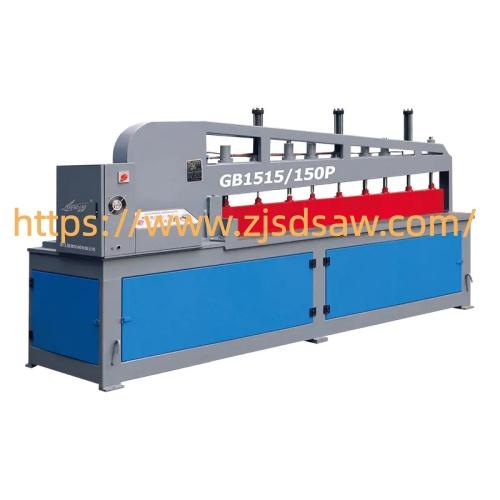
Semi-Automatic Metal Cutting Band Saw Machine selection often begins when a workshop faces a frustrating pattern: cuts drift away from the required line, edges look rough, blades wear out too soon, or finished pieces need extra correction before assembly. These problems can slow down production and increase material waste, even when operators have years of experience. The cause is not always the equipment itself. Blade condition, workpiece stability, feed pressure, cutting speed, and daily operating habits all influence the result. Identifying the real issue is the first step toward a more consistent process.
One common source of inaccurate cuts is poor workpiece clamping. When a steel tube, bar, or profile moves slightly during sawing, the blade may follow an unintended path. The finished end can become uneven, making later welding or assembly more difficult. Operators should check that the material sits securely against the vise and that the clamping arrangement suits its shape. Thin-wall tubing may need particular attention because excessive pressure can deform the section, while heavy solid stock requires stable support throughout the operation. Correct positioning before each cycle can prevent avoidable errors.
Blade selection is another factor that deserves attention. Different materials and section sizes require suitable tooth spacing and blade specifications. If the teeth are too coarse for a thin section, they may catch or damage individual teeth. If the spacing is too fine for a large solid workpiece, chips may not clear efficiently. Both situations can affect cutting performance. A blade that has become dull can also produce rough surfaces, generate additional heat, and require longer processing time. Matching the blade to the material and replacing it when necessary helps maintain predictable results.
Cutting speed and feed pressure also need to work together. Pushing the saw head down too aggressively may cause the blade to flex, producing angled or curved cuts. Excessive speed can contribute to heat buildup and premature wear, depending on the material and blade combination. On the other hand, an unsuitable feed rate can make the process slow without improving the finish. Operators should follow the equipment and blade manufacturers recommendations, then monitor chip formation, cutting sound, and surface condition to determine whether adjustments are needed. Changes should be made carefully rather than altering several settings at once.
This is where a semi-automatic design can make everyday production easier to manage. Depending on the model, the operator can position and clamp the workpiece, start the cutting cycle, and allow the machine to control part of the sawing movement. Compared with a process that relies on continuous manual handling, this arrangement can reduce repetitive effort and make routine operations more organized. It does not eliminate the need for operator judgment, but it provides a structured workflow that can help a team follow consistent working practices across repeated jobs.
Choosing suitable equipment starts with the work your factory actually performs. A workshop that mainly cuts small steel tubes has different requirements from one processing thick bars or large structural profiles. Review the dimensions and shapes of your regular materials, the number of pieces required per batch, and the frequency of changes between jobs. Check the rated cutting capacity, available blade speeds, vise design, and ease of adjusting feed settings. If angled cuts are part of your daily schedule, verify the available angle range and the method used to position the workpiece. Practical specifications matter more than features that your team rarely needs.
Maintenance access should also influence the purchasing decision. Operators need to inspect blade tension, guides, coolant delivery, and chip removal as part of routine care. Worn guides or incorrect blade tracking can affect cut quality even when the material is properly clamped. A machine that allows convenient inspection and servicing can make these checks easier to incorporate into a normal shift. Training is equally important. Staff should know how to recognize unusual vibration, changes in cutting sound, damaged teeth, or inconsistent finishes, and should stop the machine before carrying out adjustments or maintenance.
For manufacturers looking to improve daily cutting operations, Chendiao provides a product range worth reviewing against specific workshop requirements. Instead of selecting equipment based on price alone, prepare a list of your materials, section dimensions, expected workload, and common cutting problems before speaking with a supplier. This makes it easier to discuss the appropriate configuration and operating features for your application. You can review available equipment at https://www.zjsdsaw.com/product/ and compare the options with your production needs, maintenance plans, and expectations for reliable day-to-day use.
Categorias
Leia Mais
Accelerating demand for automated security ecosystems stems from expanding urban infrastructure and heightened security requirements across corporate facilities. Commercial enterprises face complex security landscapes, ranging from physical theft prevention to asset protection and operational risk management. Traditional surveillance systems lack the contextual understanding required to...

Are Reusable Kids Water Bottles Becoming a Growing Market Trend? The global beverage container industry continues to evolve as families pay closer attention to convenience, sustainability, and daily practicality. Among various product categories, the Kids Water Bottle has become increasingly visible in schools, recreational activities, travel environments, and household routines. Parents...

Frank Howard was the kind of hitter who could change a game with one swing. Known for his extraordinary power, the towering outfielder became one of the defining figures of Washington baseball during the late 1960s and early 1970s. He earned four All-Star selections, led the Majors in home runs twice, and finished his career with 382 homers and 1,774 hits. The Frank Howard T-Shirt brings that...

The are in the NFC Championship game against the , and are just one win away from the Super Bowl. While the Andre Roberson Jersey defense is a big reason they've made it this far, the Seahawks offense, and especially the special teams, cannot be ignored. Trade deadline pickup Rashid Shaheed has been huge for Seattle this season.But after the season, Shaheed will be a free agent. The Seahawks...
This is having a knock on impact on fashion. Traditionally, studios have set out styling budgets for talent doing press tours. In the simplest terms, consumers are changing. are changing and brands need to adapt to survive. Taken by the jellyfish's beauty and elegance not to mention its power shared her inspiration with the team, who incorporated the sea creature into the player's look: a tie...
