


Materials and Engineering Considerations for Eight-Wheel Amphibious Vehicles
Outdoor travel can involve muddy tracks, wet grass, shallow waterways, loose soil, and uneven ground within the same journey. For buyers exploring an 8-Wheel Amphibious ATV, understanding how the vehicle combines ground mobility with water-crossing capability is more useful than judging it by appearance alone. Its suitability depends on the relationship between chassis construction, wheel arrangement, flotation features, steering response, and the environment in which it will operate. Considering these elements together helps buyers identify a vehicle that matches their intended activities and practical operating needs.
Material selection plays an important role in the vehicle's durability. The chassis must support the vehicle's structure while withstanding vibration, impacts, moisture, and repeated exposure to outdoor conditions. Metal components need appropriate corrosion protection, particularly when the vehicle is regularly used near water or in wet environments. Body panels and protective covers should also be chosen for their ability to tolerate routine contact with vegetation, dirt, and debris. Buyers should ask about surface treatments, component construction, and maintenance requirements rather than assuming that a rugged exterior guarantees long-term durability. The best material combination balances structural needs with practical upkeep.
The eight-wheel arrangement is a defining design feature. Distributing contact across multiple wheels can help the vehicle move over irregular terrain and maintain traction as the surface changes. The effectiveness of this arrangement depends on how the wheels, suspension or supporting structure, drivetrain, and steering system work together. Tire selection also matters because tread patterns influence how the vehicle interacts with mud, soft ground, and other surfaces. Buyers should consider their typical routes and terrain rather than expecting one configuration to perform identically in every environment. Ground conditions, operator technique, and proper vehicle maintenance remain important to safe operation.
When comparing amphibious vehicles, start by defining the intended use. Recreational users may prioritize access to remote outdoor areas, while landowners and commercial operators may need to travel across wet fields, woodland paths, or locations with limited road access. Buyers should consider the balance between land travel and water use, along with storage, transportation, maintenance access, and operator training. It is also important to review the manufacturer's guidance on permitted environments and operating limitations. An amphibious design does not mean that every body of water or weather condition is suitable, and the vehicle should be selected according to its documented capabilities.
Engineering for amphibious travel involves coordinating mobility and flotation. On land, the wheels and drivetrain provide movement across changing surfaces. In water, the vehicle's body design and buoyancy-related features become central to its behavior. Sealing around relevant openings and components helps manage water exposure, while steering and propulsion arrangements determine how the vehicle responds during movement. These systems must be designed as a coordinated whole. Buyers should understand how the vehicle is intended to enter, travel through, and exit water, and should follow the manufacturer's operating instructions. Appropriate training and suitable environmental conditions are essential whenever water travel is involved.
Operator experience is influenced by more than the vehicle's ability to move forward. Seating, visibility, control placement, entry and exit arrangements, and access to frequently used controls can affect comfort and confidence. A well-organized cockpit helps the operator understand vehicle responses and monitor surrounding terrain. Protective structures and practical storage solutions may also be relevant, depending on the intended activity. Before purchasing, users should consider who will operate the vehicle, how long typical outings may last, and whether the controls and seating arrangement suit those users. Routine inspections and familiarity with the vehicle's handling characteristics also contribute to a more controlled experience.
Exterior design must serve functional needs as well as visual appeal. A practical body shape can help protect important components from mud, vegetation, and water spray. Accessible service panels and thoughtfully arranged mechanical components can simplify cleaning and routine maintenance after outdoor use. Wheel placement, body clearance, and the layout of protective elements influence how the vehicle moves through confined paths and uneven surroundings. Color and finish may help buyers choose a style that suits recreational preferences or a business fleet, but the more important design questions concern accessibility, protection, visibility, and ease of care.
For buyers evaluating amphibious vehicles, communication with the manufacturer can clarify how the product aligns with specific outdoor requirements. LIN HAI HAISDER MACHINERY CO., LTD. develops and supplies off-road and amphibious vehicle products for users seeking mobility beyond conventional paved routes. Before making a purchasing decision, prospective customers can discuss intended terrain, water-use expectations, storage arrangements, maintenance access, and operator training needs with the company. Reviewing these practical considerations helps establish whether a particular vehicle is appropriate for its planned role. Further information about the company's products is available at https://www.chinahaishida.com.
Categorias
Leia mais
Jordan Love has proven to the the importance of the backup quarterback position. Love has mi sed time acro s the past couple of seasons, which is what allowed Malik Willis to show he was a QB worthy of a big free agent contract from the . With Willis gone, the Packers have some work to do to ensure they have a Adam Edstrom Jersey new, quality backup behind Love. This month's NFL Draft will...

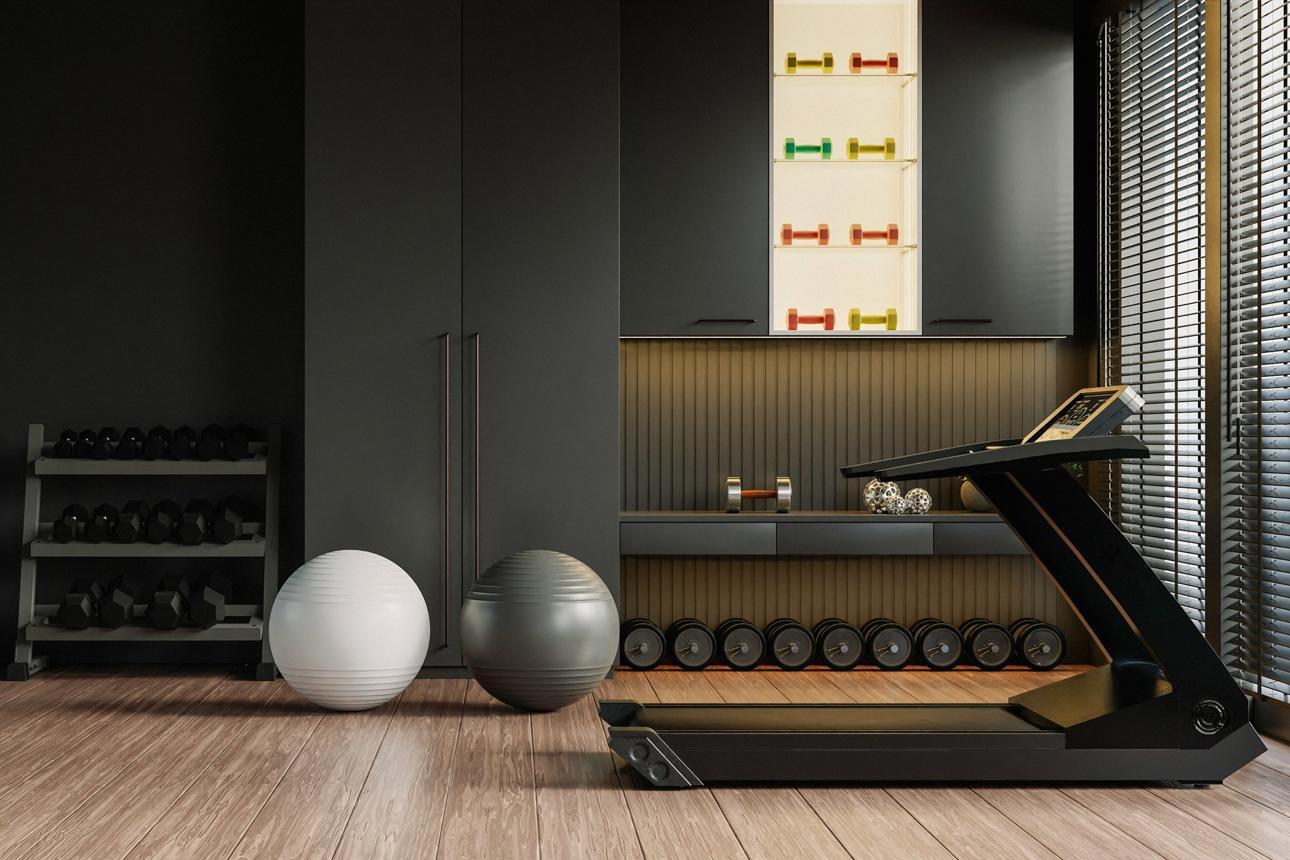
A detailed segment analysis of the Fitness Equipment Home & Gym Training Market reveals clear leaders and emerging trends across equipment types and end-users. According to Fitness Equipment Home & Gym Training Market analysis, cardiovascular training equipment holds the largest share, while the residential application segment dominates. The market is also segmented...
A box shop seldom commits to one board type forever. Corrugated sheets arrive for shipping cases in the morning, and thin cardboard blanks follow for retail packaging by midday. The two materials share a name and little else. Corrugated board carries flutes that add thickness and rigidity, while cardboard stays thin and flexible. An Automatic Box Folder that performs on one stock may...
I have been tracking Black Myth: Wukong since its August 2024 launch, and the latest sales milestone makes one thing clear: Game Science's action RPG is no longer just a breakout hit — it is a genuine global blockbuster. A recent document from the Central Committee of the Communist Youth League of China puts the game above 30 million units sold, and that number lands with extra weight...
Home Organization Box can be a practical option for people who want to create a cleaner living environment and manage daily items in a simple way. Before choosing a suitable storage solution, buyers should think about space size, usage habits, material quality, and product design. A thoughtful choice can help reduce clutter and make rooms feel more comfortable. Every home has different storage...
