How Can an Air Compressor Machine Meet Workshop Needs?
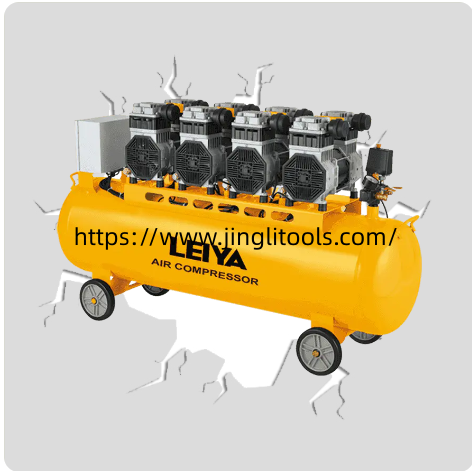
Air Compressor Machine selection starts with understanding the workload, operating pressure, installation conditions, and maintenance expectations of the intended application. For manufacturers, workshop operators, and industrial distributors, evaluating these factors helps clarify technical requirements before comparing models. A structured purchasing process also makes communication with suppliers more effective and helps businesses assess whether a proposed configuration fits their daily operations.
Identify the Intended Application
Begin by listing the tools, machines, and processes that will use compressed gas. Pneumatic wrenches, spray equipment, cleaning tools, and automated production systems may have different consumption requirements. A unit intended for occasional maintenance tasks may not meet the needs of a facility running several tools simultaneously.
Record the number of connected devices, their individual consumption rates, and their expected operating schedules. Consider whether demand remains steady throughout the day or increases during particular production stages. This information provides a practical basis for determining the required capacity.
The working environment also deserves attention. Temperature, humidity, dust levels, and available ventilation can influence installation planning. If a process requires specific cleanliness conditions, determine whether additional filtration or drying components should be included.
Evaluate Output Capacity and Pressure
Output capacity indicates how much compressed gas a unit can deliver over a given period. Manufacturers may express this figure in CFM, L/min, or cubic metres per minute. Buyers should confirm the measurement units and test conditions before comparing specifications from different suppliers.
Motor power alone does not establish actual output. Products with similar motor ratings may provide different delivery capacities, so request performance data at the intended working pressure.
Pressure requirements should match the needs of connected tools and machinery. Hoses, filters, regulators, and piping can contribute to pressure losses between the equipment and the point of use. Reviewing these factors helps buyers assess whether the proposed configuration can support normal operation.
Where several devices run together, estimate their combined consumption rather than relying on the requirements of a single tool. Including periods of peak usage can help reduce the risk of choosing an unsuitable configuration.
Consider Tank Capacity and Operating Frequency
A storage tank can provide a reserve during short periods of increased demand. However, tank volume alone does not determine whether a system can support continuous use. The pumping unit must also deliver sufficient output for the application.
Buyers should consider how frequently connected tools start, how long each task lasts, and how quickly the system needs to recover between cycles. Intermittent workshop activities may require a different storage arrangement from continuous production operations.
Ask the manufacturer to explain the relationship between tank capacity, rated output, and recommended duty cycle. This helps purchasing teams compare configurations based on actual working patterns instead of selecting a model solely because it has a larger tank.
Check Electrical and Installation Requirements
Before ordering, confirm voltage, frequency, phase requirements, motor rating, and starting current. The electrical supply at the installation site must match the selected equipment. A qualified electrician can review connection requirements when necessary.
Measure the available installation space and allow sufficient clearance for ventilation, inspection, and servicing. Restricted access can make routine maintenance difficult and may interfere with normal cooling.
Noise levels may also influence equipment placement, particularly in enclosed workshops or areas where employees work nearby for extended periods. Review published sound information and consider whether additional noise management measures are necessary.
Check connection dimensions, hose arrangements, drainage provisions, and required accessories as well. Confirming these details before delivery can help avoid installation delays and unexpected expenses.
Review Maintenance and Operating Costs
The purchase price is only one part of the overall budget. Electricity consumption, replacement components, routine servicing, and potential downtime can affect costs throughout the equipment's working life.
Ask which parts require regular inspection and how frequently maintenance should take place. Confirm whether replacement filters, seals, and other relevant components are available, and request instructions for routine service procedures.
Expected operating hours are important when evaluating maintenance requirements. Equipment used for extended periods may need a different service schedule from a unit used occasionally. Providing realistic workload information helps suppliers discuss an appropriate maintenance plan.
Buyers should also review warranty coverage, technical documentation, spare-parts arrangements, and service communication. These details help businesses prepare for ongoing operation and manage maintenance responsibilities.
Prepare Questions Before Requesting a Quotation
A detailed enquiry should include the intended application, estimated flow demand, required working pressure, operating frequency, electrical supply, and installation conditions. Mention any requirements for filtration, moisture control, storage capacity, or additional accessories.
When comparing quotations, ensure each supplier is responding to the same specifications. Review included components, delivery terms, warranty conditions, maintenance guidance, and technical support instead of focusing exclusively on the purchase price.For businesses assessing workshop and industrial equipment, jinglitools provides a starting point for reviewing product information and discussing purchasing requirements. Visit https://www.jinglitools.com/product/ to view the available product range and contact the team about specifications suited to your intended application.
الأقسام
إقرأ المزيد
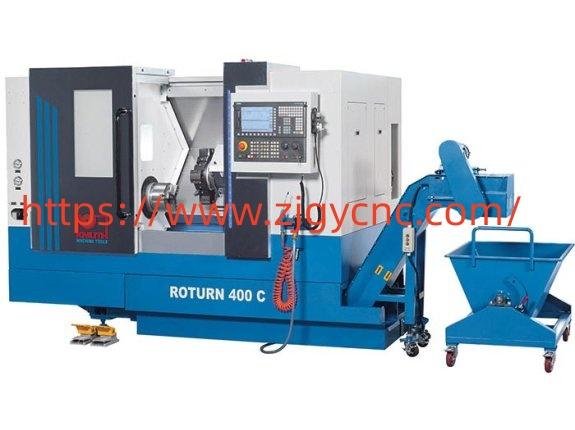
Compact CNC Lathe refers to a computer controlled turning solution designed for workshops where available floor space is an important consideration. Smaller manufacturing facilities often need to balance production capacity with machine placement, operator access, material handling, and routine maintenance. A space conscious system can provide a practical option for processing components while...
Carbide Rotary Burs are cutting tools widely used in metalworking, fabrication, mold production, equipment manufacturing, and maintenance operations. They are designed for shaping, deburring, grinding, trimming, and surface finishing across different materials. As industrial production continues to demand efficient machining processes, selecting suitable tooling becomes an important part of...

There is a lot of attention on the this offseason, and not just because of Todd Monken, Shedeur Sanders, and their entire offensive line renovation. A lot of the focus is on a Justin Upton Jersey potential Myles Garrett trade. Once again, his name is being thrown around in trade rumors. However, an update from revealed the "more likely" outcome with Garrett this offseason that isn't a trade,...

Leiya Power Tools Suplier should be carefully evaluated before importers, distributors, wholesalers, and workshop businesses confirm an order. A purchasing decision involves much more than comparing quotations. Buyers need to consider customer applications, product specifications, samples, accessories, packaging, customization, inspection arrangements, production timing, and communication....

Какие симптомы нельзя списывать на похмелье? Потеря сознания, судороги, выраженное затруднение дыхания или сильная боль в груди — повод звонить 112. Наличие алкоголя в анамнезе не делает эти признаки менее опасными и не объясняет их автоматически.Спутанность и галлюцинации после уменьшения употребления также требуют срочной оценки. Если человек не понимает, где находится, или видит...