Acute Care Needleless Connectors: Small Devices with a Big Impact on Patient Safety
In acute care settings, every IV line is a potential pathway for infection. Needleless connectors — the small valves that allow clinicians to access IV catheters without needles — play a surprisingly large role in preventing bloodstream infections, protecting clinicians from needlestick injuries, and keeping vascular access systems closed and sterile. As infection prevention becomes a higher priority across hospitals, demand for advanced needleless connectors is growing.
The acute care needleless connector market is expanding as hospitals adopt safer vascular access practices and regulators push for needlestick prevention. These connectors allow medication administration, blood sampling, and fluid delivery without needles, reducing both infection risk and sharps injuries.
Why Needleless Connectors Matter
Central line-associated bloodstream infections (CLABSIs) remain a serious concern in intensive care and other acute settings. The connector is a critical control point: if it's colonized with bacteria, every access can introduce pathogens into the bloodstream. Connector design — including valve mechanism, surface material, and disinfection compatibility — directly influences infection risk.
Key Functions
-
Needlestick prevention: eliminate sharp instrument use for IV access
-
Closed system maintenance: keep the catheter hub sealed between uses
-
Reduced contamination: support effective disinfection protocols
-
Compatibility: work with a range of catheters and administration sets
People Also Ask
What is a needleless connector?
A needleless connector is a valve attached to an IV catheter or port that allows clinicians to administer fluids or medications and draw blood without using a needle, reducing needlestick injuries and infection risk.
How do needleless connectors reduce infection?
They maintain a closed system and support disinfection protocols, reducing the chance that bacteria enter the bloodstream during IV access — a key factor in preventing CLABSIs.
The Clinical and Economic Case
CLABSIs are costly — both in patient harm and in financial penalties. Hospitals that invest in advanced connectors alongside staff training and protocol compliance often see measurable reductions in infection rates. As value-based care ties reimbursement to quality outcomes, these investments become easier to justify.
Tags: #NeedlelessConnectors #InfectionPrevention #CLABSI #AcuteCare #VascularAccess #PatientSafety #NeedlestickPrevention
Kategorien
Mehr lesen
Custom Gear plays an important role in industrial equipment where specific movement requirements and design conditions need personalized solutions. Buyers should evaluate dimensions, materials, application environments, and production capabilities before placing an order. Choosing a suitable manufacturer can help companies develop components that match their equipment structures and operating...
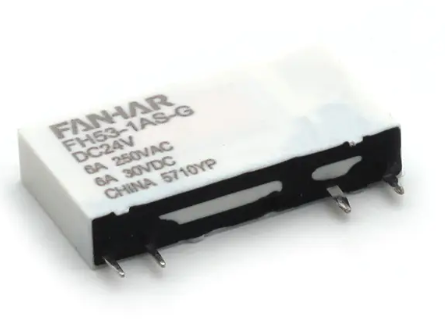
Designed for rigorous industrial environments, the FH53 6A Industrial Relay represents a reliable and precise switching solution for a wide range of control applications. Combining compact construction with robust performance, this relay is engineered to deliver consistent operation under demanding electrical and mechanical conditions. Core Specifications At the heart of the FH53 series is...
Selecting a dependable Yonoel First Aid Box Manufacturer is a crucial step for businesses and individuals seeking well-organized, practical, and safe first aid solutions. Leading manufacturers focus on producing boxes that combine robust construction with efficient layout, ensuring every essential item is readily accessible when needed. Choosing an experienced manufacturer guarantees that...

Semiconductor Insight Publishes Comprehensive Research on the Reclaim Wafer Market, Highlighting Advanced-Nodes Demand, Fab Cost Optimization, and Growing Opportunities in Wafer Reclamation The global Reclaim Wafer Market is expanding as semiconductor manufacturers seek cost-effective ways to support process monitoring, equipment qualification, and routine fab operations without consuming new...

Market analysis indicates that as vehicles face increasing pressure to improve efficiency and reduce emissions, energy recovery systems have become essential technologies. According to Market Research Future, the automotive energy recovery system market is growing rapidly, with Automotive energy recovery system regenerative braking representing the most widely deployed and commercially...