


Ultrasound, CT, and AI: How Imaging Technology Is Sharpening Ovarian Cancer Diagnosis
Imaging sits at the center of ovarian cancer diagnosis. Before any biopsy is performed, clinicians rely on ultrasound, CT, and MRI to characterize masses, assess spread, and plan treatment. But imaging interpretation is subjective, and differentiating benign cysts from malignant tumors is not always straightforward. This is why the ovarian cancer diagnostics market is seeing renewed focus on imaging innovation — including AI-assisted interpretation tools designed to support clinicians.
The ovarian cancer diagnostics market is being shaped by advances in transvaginal ultrasound, contrast-enhanced imaging, and machine learning algorithms that analyze image patterns. These tools aim to reduce diagnostic variability and help identify suspicious masses earlier, particularly in settings where specialist radiology expertise is limited.
Transvaginal Ultrasound Remains First-Line
Transvaginal ultrasound is the most common initial imaging test for suspected ovarian masses. It offers high resolution and can assess blood flow through Doppler imaging. However, interpretation depends heavily on operator experience, which is where standardized scoring systems and AI support are making a difference.
AI and Standardized Risk Models
Machine learning models trained on large imaging datasets can flag features associated with malignancy and support consistent risk scoring. Combined with established systems like the IOTA simple rules and O-RADS, these tools help clinicians make more reliable decisions about who needs surgery versus who can be monitored.
People Also Ask
What imaging is best for detecting ovarian cancer?
Transvaginal ultrasound is typically the first-line imaging test, often followed by CT or MRI to assess the extent of disease and guide treatment planning.
Can AI help diagnose ovarian cancer?
AI-assisted imaging tools are increasingly used to support radiologists by flagging suspicious features and standardizing risk assessment, though they complement rather than replace clinical judgment.
The Road Ahead
Imaging innovation is unlikely to produce a single "perfect" test, but incremental improvements in resolution, standardization, and AI support are already reducing diagnostic uncertainty. As these tools become more accessible, particularly in community hospitals, the gap between specialist and generalist diagnostic accuracy should narrow — a meaningful step toward earlier, more consistent detection.
Tags: #OvarianCancer #MedicalImaging #TransvaginalUltrasound #AIinHealthcare #CancerDiagnostics #Radiology #WomensHealth
Categorii
Citeste mai mult
Examining the global ICP etcher market, covering regional dynamics across key semiconductor manufacturing regions, growth opportunities driven by semiconductor demand and technological investments, and the future outlook through 2035. The ICP Etcher Market represents the comprehensive landscape of global semiconductor fabrication innovations, providing essential technologies that enable...

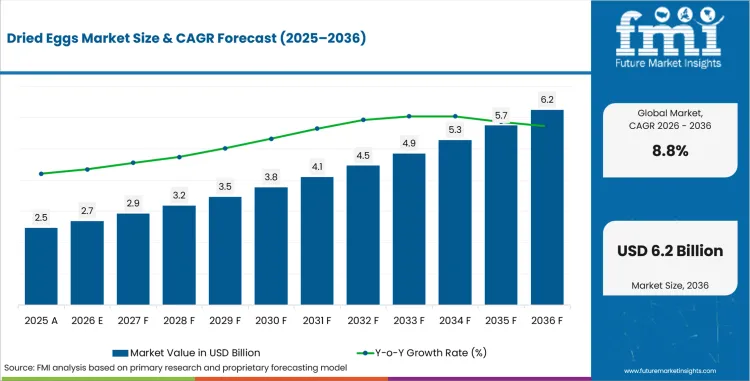
Dried Eggs Market Shelf-Stable Egg Ingredients Gain Ground in Food Manufacturing The global Dried Eggs Market is transitioning from a specialized shelf-stable ingredient category into an increasingly important component of modern food manufacturing. According to Future Market Insights, the market is projected to increase from USD 2.7 billion in 2026 to USD 6.2 billion by 2036, expanding at a...
Convenience Food Market Opportunity The global convenience food market is estimated at USD 728.6 billion in 2026 and is projected to reach USD 1,460.3 billion by 2036, expanding at a CAGR of 7.2% between 2026 and 2036. That growth reflects more than changing eating habits. It points to a broader transformation in how consumers approach everyday meals—as households look for shorter...

Global Commercial Grade Optical Modules Market, valued at a robust US$ X billion in 2024, is on a trajectory of significant expansion, projected to maintain strong growth through 2032. This momentum reflects the accelerating demand for high‑performance, cost‑effective optical interconnects across data‑center, enterprise and emerging AI workloads. Commercial‑grade optical modules, designed for...
Neurosurgery has traditionally involved large incisions, extensive bone removal, and long recovery periods. Minimally invasive techniques are changing that. Using endoscopes, tubular retractors, and specialized instruments, surgeons can now access deep structures through small openings, reducing tissue damage and speeding recovery. This shift has significant implications for equipment needs, as...