What Are Common Problems with Polyolefin Shrink Film and How to Avoid Them
Polyolefin Shrink Film from Jtpackage has become a key solution for modern packaging, offering protection, clarity, and adaptability across diverse industries. However, even high-quality films can encounter challenges if handling, processing, or environmental conditions are not carefully managed. What are the typical issues, and how can businesses prevent them?
One frequent problem is uneven shrinkage, which can leave parts of the package loose or wrinkled. This usually occurs when heat settings in tunnels or sealing equipment are inconsistent or misaligned with the film's specifications. Adjusting temperature, airflow, and dwell time to match the material characteristics ensures consistent results and maintains visual appeal.
Punctures and tears are another concern. Sharp edges on products or excessive tension during wrapping can compromise the integrity of the film. Using protective inserts, precise handling, and maintaining proper tension during machine operation can significantly reduce the risk of damage, keeping products secure and intact.
Clarity issues, such as cloudiness or haziness, may appear if the film is exposed to excessive heat, moisture, or prolonged storage in unfavorable conditions. Storing film rolls in controlled environments and calibrating equipment to the recommended settings helps preserve optical quality. Maintaining a clean environment during production and avoiding contact with contaminants also ensures a clear and professional appearance.
Adhesion problems may arise when films do not seal properly, leaving gaps or unshrunk areas. Factors such as incompatible sealing methods, incorrect pressure, or worn machinery parts can contribute to this issue. Regular maintenance, proper alignment of sealing bars, and operator training are essential to achieving reliable adhesion and preventing product exposure.
Inconsistent thickness across film rolls can lead to variations in shrinkage and protection. Using high-quality, uniform materials and monitoring film production standards helps minimize these differences, allowing consistent coverage for items of various shapes and sizes.
Environmental conditions during and after packaging, including humidity, airflow, and ambient temperature, influence film behavior. Controlling storage conditions and managing the packaging line environment are critical to maintaining performance. Attention to these details ensures that films retain elasticity, conformability, and strength throughout their use.
Handling complex or irregularly shaped products presents additional challenges. Proper orientation, careful loading, and customized machine settings help achieve uniform shrinkage and smooth finishes. Training staff on techniques specific to product types enhances efficiency while reducing waste and rework.
Understanding these factors allows companies to optimize operations, reduce material waste, and maintain product presentation. Polyolefin shrink films deliver superior results when attention is paid to equipment, handling, and environmental conditions. For comprehensive guidance on successful application and troubleshooting, visit https://www.jtpackage.com/news/industry-news/what-is-polyolefin-pof-shrink-film-everything-you-need-to.html . Can your packaging operations achieve maximum reliability by addressing these common challenges?
Kategorien
Mehr lesen
The paraffin wax emulsion market is on the cusp of a significant growth trajectory, with an expected increase from 83.62 million USD in 2024 to 121.85 million USD by 2035. The anticipated CAGR of 3.5% highlights a broader shift towards sustainability, as industries increasingly prioritize eco-friendly solutions without sacrificing quality. This evolution is reflective of consumer demands and...

The global nutraceutical ingredients market is undergoing a period of dynamic segmentation, with high-potential actives driving the next wave of innovation. Within this expansive landscape, tocotrienols have carved out a distinct and rapidly expanding niche. No longer overshadowed by tocopherols, tocotrienols are being recognized for their unique bioactivities that extend far beyond...
PVC products are used in construction materials, packaging films, electrical insulation, furniture edging, and decorative surfaces. Although mechanical strength and durability are essential, visual appearance often influences purchasing decisions just as strongly. Many manufacturers notice that freshly produced PVC products may gradually appear dull, slightly yellow, or uneven in color after...
Global Multi-functional Security Gateways Market is witnessing rapid evolution as enterprises accelerate digital transformation, adopt cloud‑native architectures, and confront an expanding threat landscape. While precise market‑size figures remain confidential, industry analysts forecast a sustained compound annual growth rate (CAGR) that outpaces many adjacent cybersecurity segments, driven by...
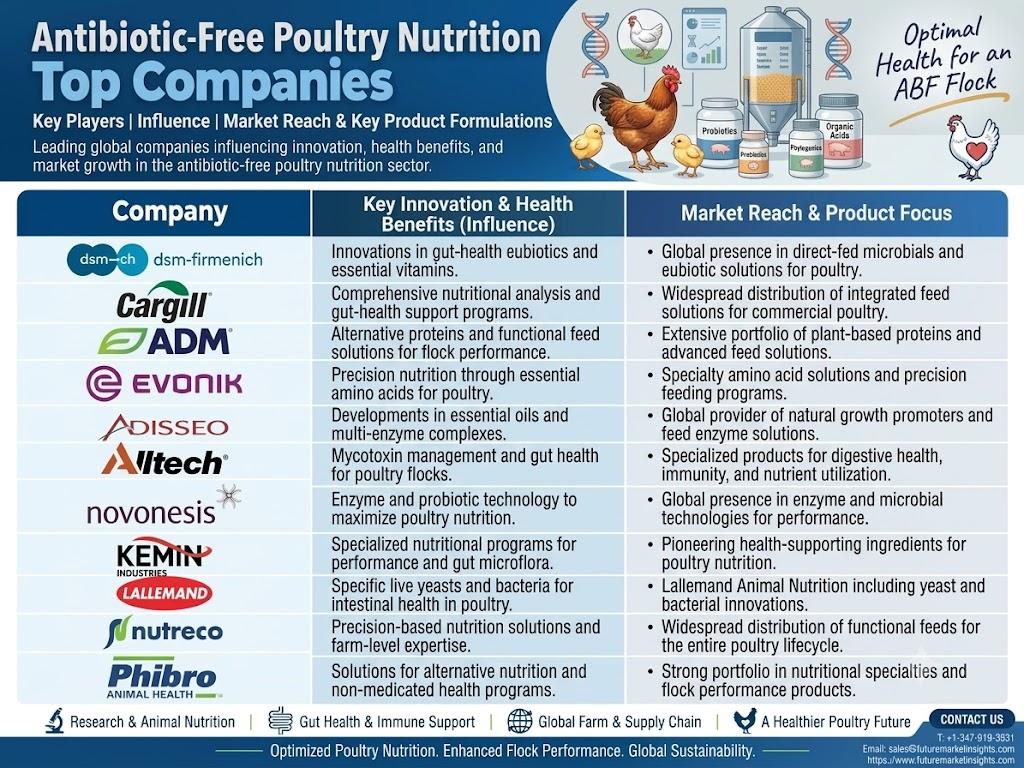
NEWARK, Del., October 16, 2026 — The global Antibiotic-Free Poultry Nutrition Market is gaining momentum as poultry producers increasingly prioritize flock health, feed efficiency, responsible production practices, and alternatives to routine antibiotic use. According to the latest market intelligence report published by Future Market Insights (FMI), the market is estimated at USD...