


How Are Lactulose and Rifaximin Shaping Hepatic Encephalopathy Treatment?
The management of hepatic encephalopathy (HE) relies heavily on two cornerstone pharmacological agents: lactulose and rifaximin. These drugs, used both individually and in combination, form the backbone of standard therapy for this complex neurological complication of liver disease. Their proven efficacy and widespread use are central to the dynamics of the Hepatic Encephalopathy Treatment Market, which continues to evolve with new research and clinical practices.
Lactulose, a non-absorbable disaccharide, has been the mainstay of HE treatment for decades. It works by acidifying the colon, which traps ammonia (a key neurotoxin in HE) in the gut and draws it out of the bloodstream. This helps reduce blood ammonia levels and improve brain function. It is typically administered orally or via a rectal enema in acute settings. As a generic and relatively inexpensive medication, it is widely used as a first-line therapy. It holds the largest share of the HE treatment market by drug type.
Rifaximin is a non-absorbable antibiotic that targets ammonia-producing bacteria in the gut. When added to lactulose therapy, it has been shown to significantly reduce the risk of recurrent HE episodes and related hospitalizations. It is often used for secondary prevention in patients who have already had an episode of overt HE. The combination of lactulose and rifaximin is considered the standard of care for preventing HE recurrence. The patent-protected status of rifaximin in some regions and its proven clinical benefits make it a key growth driver in the market, as its adoption continues to increase for long-term management.
People Also Ask
How do lactulose and rifaximin work for hepatic encephalopathy?
Both drugs work by reducing ammonia levels in the body. Lactulose traps ammonia in the gut, while rifaximin kills ammonia-producing bacteria in the gut.
Which is more effective for hepatic encephalopathy, lactulose or rifaximin?
Both are effective. Lactulose is often the first-line treatment. Rifaximin is typically added to lactulose to prevent recurrence of HE episodes more effectively than lactulose alone.
These two drugs are the pillars of HE management, and ongoing research into their optimal use and new combination therapies will continue to shape the treatment landscape and market growth.
Tags: #HepaticEncephalopathy #Lactulose #Rifaximin #LiverDisease #HEtreatment
Catégories
Lire la suite
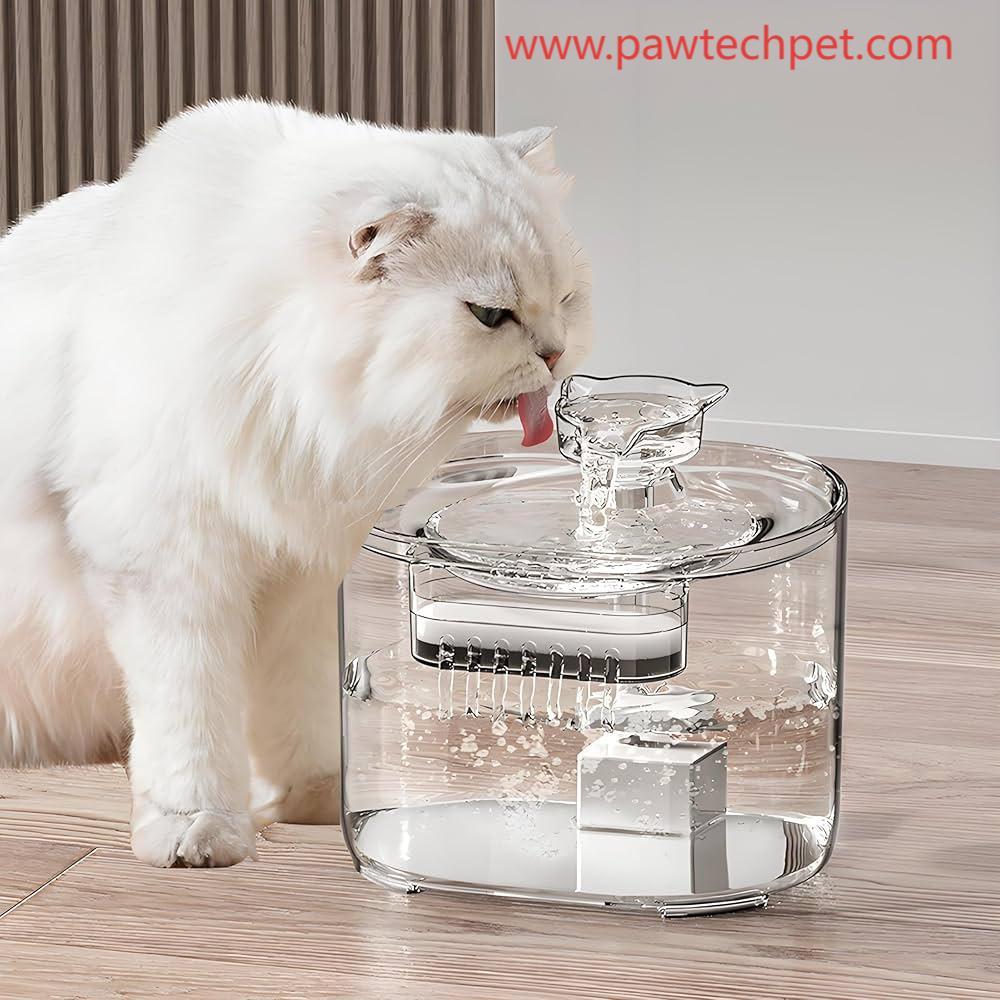
In modern homes, pet care has gradually become connected with intelligent living spaces where technology supports daily routines and comfort. Among these discussions, the Pawtechpet Intelligent Pet Water Dispenser has begun attracting attention as pet owners explore new ways to maintain healthy hydration habits for their animals. Clean drinking water is essential for pets, yet many households...
A meticulous examination of the global Wireless Audio Devices Market Analysis reveals a robust economic framework underpinned by rising consumer electronics spending, expanding mobile media consumption, and heightened corporate investment in remote communication tools. Evaluating historical data alongside future projections highlights a market transition from wired accessories to proactive,...

Hotel Card Key System Suppliers focus on several practical elements that affect daily operations for property managers. Compatibility with existing management software stands near the top of the list so front desk staff can issue and cancel access codes without switching platforms. Devices that accept standard RFID formats integrate cleanly and reduce training time for new team members. Power...

Addiction treatment is evolving, driven by research, technology, and changing attitudes. The future promises more effective, accessible, and personalized care, with better outcomes for people with substance use disorders. Understanding these trends helps providers, policymakers, and patients anticipate what is coming. New medications are being developed for substance use disorders, including...

Have you ever wondered how to make your vehicle stand out subtly during evening drives? Dark Tail Lights Supplier emerges as a trusted avenue for those pursuing refined rear lighting solutions. Picture navigating winding roads under starry skies, with your car's tail end emitting a soft, enigmatic shine that intrigues passersby. This kind of refinement adds a layer of sophistication, appealing...
