


What Are the Main Parts of an Auto Folder Gluer Machine
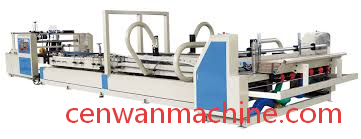
What Are the Main Parts of an Auto Folder Gluer Machine?
Packaging production depends on the coordination of mechanical structures, feeding systems, folding mechanisms, adhesive application, and finished-box delivery. Each component performs a specific task, and the way these parts work together influences carton alignment, bonding quality, production consistency, and operating convenience. For packaging manufacturers exploring an Auto Folder Gluer Machine, understanding the main components can make equipment selection easier, while cenwanmachine provides packaging machinery options for businesses handling corrugated boxes and folding carton production. So, which components deserve the closest attention when evaluating a complete folder gluing system?
The Feeding System: Where Production Begins
The feeding section introduces flat cardboard sheets into the machine and prepares them for subsequent operations. Its primary responsibility is to deliver each sheet at a controlled pace while maintaining suitable spacing and alignment. If the cardboard enters at an incorrect angle or overlaps another sheet, the following stages may experience positioning errors, uneven folds, or adhesive problems.
Depending on the machine design, feeding may use adjustable guides, powered rollers, belts, or suction-assisted mechanisms. Side guides help keep sheets aligned, while the feeding structure needs to accommodate the dimensions, thickness, and surface characteristics of the selected material. Corrugated board can vary in stiffness and surface condition, so operators must follow the manufacturer's setup recommendations when changing materials.
A dependable feeding system provides a stable foundation for the entire workflow. Buyers should examine how easily the guides can be adjusted, whether the machine supports the required sheet formats, and how conveniently operators can access the feeding area for cleaning and routine inspection.
Alignment and Folding Mechanisms
Once cardboard enters the machine, alignment mechanisms guide it into the correct position before folding begins. This stage is important because even a small deviation can affect the final box shape, especially when several panels must meet along predetermined creasing lines. Guide plates, conveyor belts, rollers, and adjustment assemblies may work together to maintain a consistent path through the machine.
The folding section then bends the prepared cardboard along its creases, transforming a flat blank into a three-dimensional carton structure. Different packaging designs require different folding sequences, so the machine configuration must correspond to the intended box style. Straight-line cartons, locking-bottom designs, and certain multi-corner packages may require distinct folding arrangements or specialized components.
Belt speed, guide positioning, and pressure settings all influence how the cardboard moves through this stage. Incorrect adjustments can cause skewed panels, irregular edges, or unwanted creasing. For this reason, operators should verify machine settings when changing orders and test sample cartons before beginning a full production run.
The Gluing System: Creating Secure Carton Joints
The gluing system applies adhesive to designated areas of the cardboard so that the folded panels can form secure joints. Depending on the equipment configuration, this may involve glue applicators, nozzles, rollers, adhesive containers, and associated control components. The exact arrangement varies according to the machine model and the type of carton being produced.
Consistent adhesive application is essential because an insufficient amount may produce weak joints, while excessive glue can create messy edges, contaminate belts, or increase material waste. Application position also matters, since adhesive must reach the intended bonding area without interfering with the visible surfaces or folding movement.
Operators should consider adhesive compatibility, viscosity, application settings, and cleaning requirements before production begins. Regularly checking glue delivery and removing residue from accessible components can help maintain stable operation. When processing a new carton design, a sample run allows the team to examine bond strength and placement before proceeding with a larger order.
Conveying, Pressing, and Finished-Box Delivery
After adhesive has been applied and the cardboard folded, conveying and pressing sections help maintain the carton shape while the glued areas come into contact. Belts and guide structures move the folded pieces through a controlled path, while pressing mechanisms apply suitable contact pressure to support bonding.
The required pressure and conveying conditions depend on the board material, carton structure, adhesive, and production settings. If the folded panels shift before the adhesive develops sufficient bonding strength, the finished carton may show gaps or misaligned edges. Consistent movement through this stage helps the equipment deliver boxes with a uniform appearance.
At the delivery end, finished cartons are collected, counted, stacked, or transferred to subsequent packaging operations, depending on the production line. Some configurations can connect with additional equipment for bundling or downstream handling. Buyers planning an integrated line should therefore consider available floor space, transfer height, production rhythm, and compatibility with neighboring machines.
Control Systems, Safety, and Routine Maintenance
Modern folder gluing equipment may include electrical controls, sensors, operator interfaces, and automated adjustment functions. These elements help coordinate feeding, movement, adhesive application, and delivery while allowing operators to monitor the production process. Depending on the model, selected functions may simplify setup when switching between carton sizes or designs.
Safety features also deserve attention. Protective guards, emergency stops, and suitable interlocking arrangements help reduce risks during operation and maintenance. Operators should receive appropriate training and follow the manufacturer's instructions before opening access panels or working near moving components.
Routine maintenance supports reliable equipment performance. Belts should be inspected for wear and correct tension, rollers and guides should remain clean, and adhesive residue should be removed according to the recommended procedure. Electrical components, sensors, bearings, and transmission parts should be checked at the intervals specified by the manufacturer. A documented maintenance schedule can help teams identify developing problems before they interrupt production.
Choosing Equipment for Corrugated Packaging Production
When comparing machinery, buyers should look beyond individual components and assess how the complete system fits their production requirements. Important considerations include the dimensions and thickness of the cardboard, carton styles, expected output, changeover frequency, available workshop space, and the level of automation required. Service support, spare parts availability, operator training, and customization options can also influence the long-term suitability of an investment.
Cenwan Machinery offers folder gluing solutions for corrugated packaging applications, with product options designed around different carton formats and production needs. Reviewing machine specifications alongside actual box samples can help buyers identify a suitable configuration rather than choosing equipment based on a single performance figure.
For manufacturers evaluating an Auto Folder Gluer Machine, understanding the feeding, alignment, folding, gluing, pressing, and delivery sections provides a useful starting point for comparing equipment. To explore a solution for corrugated carton production, visit https://www.cenwanmachine.com/ and review the available machine configurations, material compatibility, and product details when planning your packaging workflow.
Categorie
Leggi tutto
In transfusion medicine and cardiac surgery, temperature is not a minor detail—it is a critical safety parameter. Blood temperature indicators are specialized devices that monitor and display blood temperature during collection, storage, transfusion, and surgical procedures. Deviations from safe temperature ranges can compromise blood products, increase the risk of haemolysis, and...

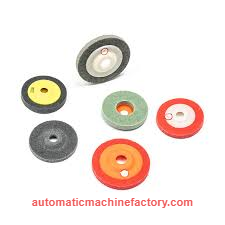
Technicians and craftsmen working with surface finishing tools regularly adjust parameters to obtain smooth uniform results on metal wood and composite surfaces. The Non-Woven Fiber Wheel serves as an effective option for blending deburring and final polishing stages where controlled rotation plays a central role in outcome quality. At automaticmachinefactory collections professionals find...
Microbial Carbon Inputs Market Single-Strain Products Lead Product Type Demand at 53.3% The global microbial carbon inputs market is forecast to increase from USD 299.7 million in 2026 to USD 1,026.4 million by 2036, expanding at a 13.1% CAGR during the 2026-2036 forecast period, according to Future Market Insights. The market stood at USD 265.0 million in 2025. Growth is being supported by...

The integration of advanced China oil and gas field services into exploration and production operations is accelerating, driven by technological advancements and strong government support for domestic energy production. Analysis presented by Market Research Future reveals that the market is experiencing significant growth, fueled by rising energy demand, strategic collaborations, and a...

Preclinical imaging is evolving, driven by advances in technology, changing research needs, and the growing emphasis on translational research. The future promises more sensitive, multimodal, and accessible imaging, improving drug discovery and our understanding of disease. Understanding these trends helps researchers, manufacturers, and investors anticipate what is coming. Multimodal imaging...