Understanding Pressure Distribution in Roller-Based Manufacturing
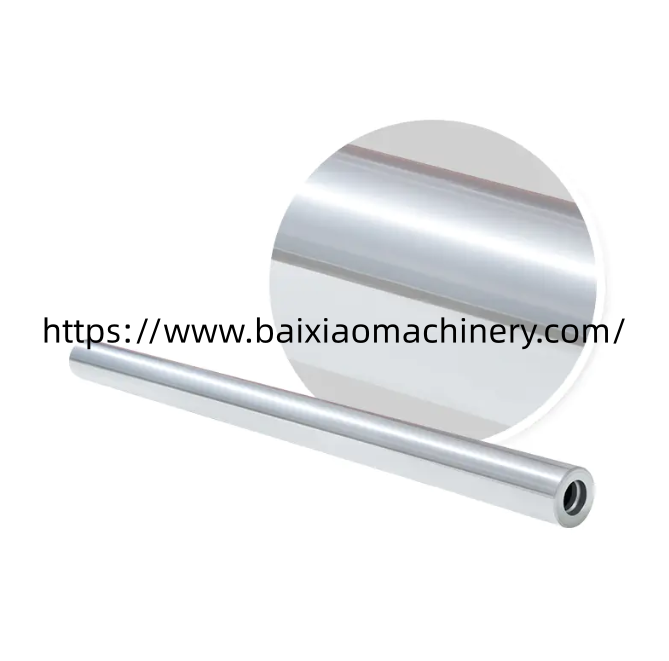
In manufacturing processes that bring materials together or press them against a working surface, the roller assembly can influence how evenly the material moves and makes contact. When evaluating Squeeze Rollers, equipment designers should consider the interaction between roller surfaces, the material being processed, and the mechanism that controls pressure. These components may be used in laminating, coating, printing, packaging, and other production environments where contact quality can affect the appearance and consistency of the finished material.
Material selection begins with understanding the intended contact conditions. Rubber is often considered when a roller needs a compliant surface that can adapt to the material and help distribute contact pressure. Different rubber compounds offer different characteristics in relation to flexibility, wear, chemical exposure, and surface grip. Polyurethane may be suitable for applications requiring a particular balance of resilience and abrasion resistance, while silicone can be considered for specialized environments where its temperature behavior or surface properties are relevant. The choice should reflect the actual process rather than a general assumption that one material works for every application.
The roller core and outer covering also need to function as a coordinated structure. A metal core provides support, while the working layer determines much of the contact behavior. The relationship between the core, covering, bonding method, and finished surface can influence how the roller responds under pressure. Buyers should consider whether the application involves adhesives, inks, coatings, moisture, or cleaning chemicals, as these substances may affect the roller material over time. Compatibility between the working surface and the processed material is essential when evaluating possible options.
A useful purchasing process starts with the production objective. In a laminating line, the roller may need to help bring layers into close contact. In a coating or converting process, it may serve a different role related to material contact or liquid distribution. Buyers should explain what the roller needs to accomplish, what material passes through the machine, and what problems the current setup presents. Wrinkling, uneven bonding, surface marks, material slippage, and inconsistent contact can have different causes, so identifying the underlying issue helps narrow the selection.
Supplier evaluation should include both material knowledge and manufacturing capability. Buyers can ask how the roller covering is selected, how it is attached to the core, and how the finished surface is inspected. For replacement parts, an existing sample or equipment drawing can help communicate the required construction and mounting arrangement. For new machinery, coordination between the roller supplier and equipment designer can help clarify how the roller will be installed, adjusted, cleaned, and eventually replaced. Clear communication at this stage can reduce avoidable design changes later.
Technical performance depends heavily on pressure distribution. If contact is uneven across the working surface, the processed material may experience inconsistent bonding, marks, thickness variation, or other quality problems. Roller alignment, surface uniformity, supporting structure, and the pressure-adjustment mechanism all contribute to the result. The roller should be evaluated as part of the entire machine rather than as an independent component. Changes to material thickness, surface sensitivity, or production conditions may also require the processing team to reassess the setup.
Zhejiang Province, Ruian Baixiao Machinery Co., Ltd. manufactures roller products and related mechanical components for printing, packaging, and other material-processing industries. Its product range includes rubber rollers, steel rollers, aluminum rollers, and associated machinery accessories. These product categories serve different operational purposes, so businesses considering a squeeze roller application should communicate the intended function and contact conditions clearly. Providing information about the processed material, surrounding equipment, and required surface characteristics can help establish whether an available roller design is suitable for further assessment.
The operator's experience is influenced by how easily the roller can be adjusted and maintained. A practical assembly should allow technicians to inspect the contact surface, access mounting points, and carry out routine servicing without unnecessary dismantling. Adjustment mechanisms should also be understandable to the people responsible for operating the equipment. When changes in pressure or alignment are required, clear procedures can help operators make adjustments consistently and avoid creating new processing problems while attempting to correct existing ones.
Cleaning and maintenance need to reflect the roller's material and application. Adhesive residue, ink, coating compounds, and fine production debris can accumulate on the working surface and alter its contact characteristics. Using an unsuitable cleaning agent may damage a rubber covering or affect the bond between the surface layer and its core. Maintenance teams should follow the supplier's care recommendations, inspect the roller for wear or surface damage, and investigate unusual vibration or changes in processing quality. A worn covering may require professional evaluation before the roller returns to service.
Design and appearance affect more than the visual impression of the component. The roller's profile, core construction, surface texture, edge treatment, and mounting features influence its integration with the machine. A suitable design should provide the intended contact behavior while allowing installation and servicing within the available space. Color and surface finish may also help technicians identify different rollers or distinguish between components used for separate processes. For customized equipment, these design choices should be coordinated with functional requirements instead of being decided independently.
For manufacturers reviewing roller solutions for laminating, printing, packaging, and related production processes, Zhejiang Province, Ruian Baixiao Machinery Co., Ltd. provides a range of industrial rollers and supporting components. Buyers can explore its product offerings and discuss the working material, contact requirements, installation arrangement, and maintenance expectations when assessing a suitable option. Further product information is available at https://www.baixiaomachinery.com/
Kategorien
Mehr lesen
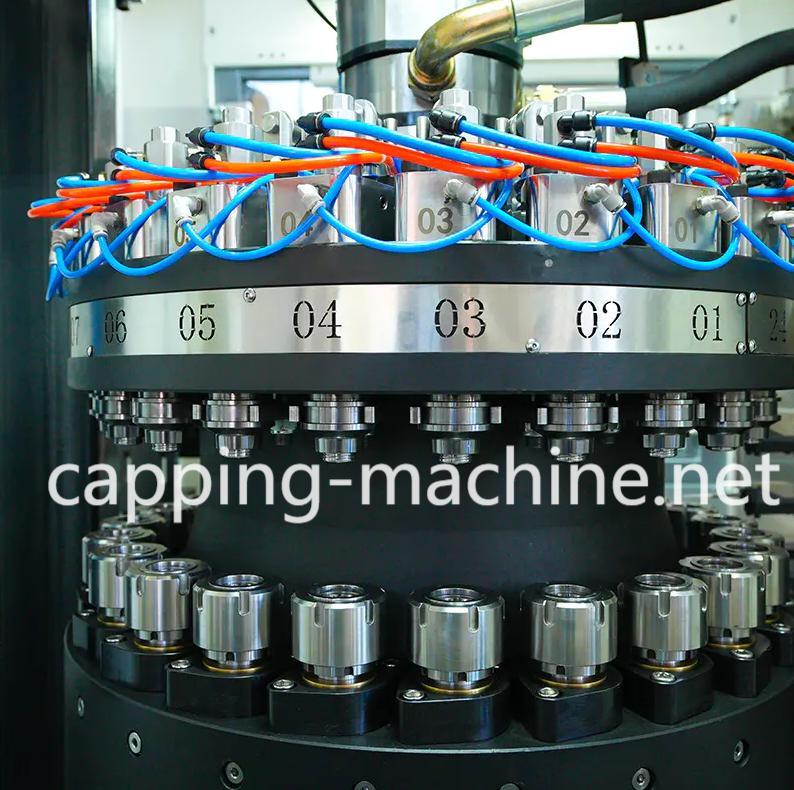
Packaging has become a vital element in product presentation, protection, and market identity. The Cap Compression Moulding Machine plays a significant role in modern closure manufacturing, while Capping-Machine continues to provide solutions designed to support evolving production environments and changing industry expectations. Across many industries, closures serve a purpose that extends far...
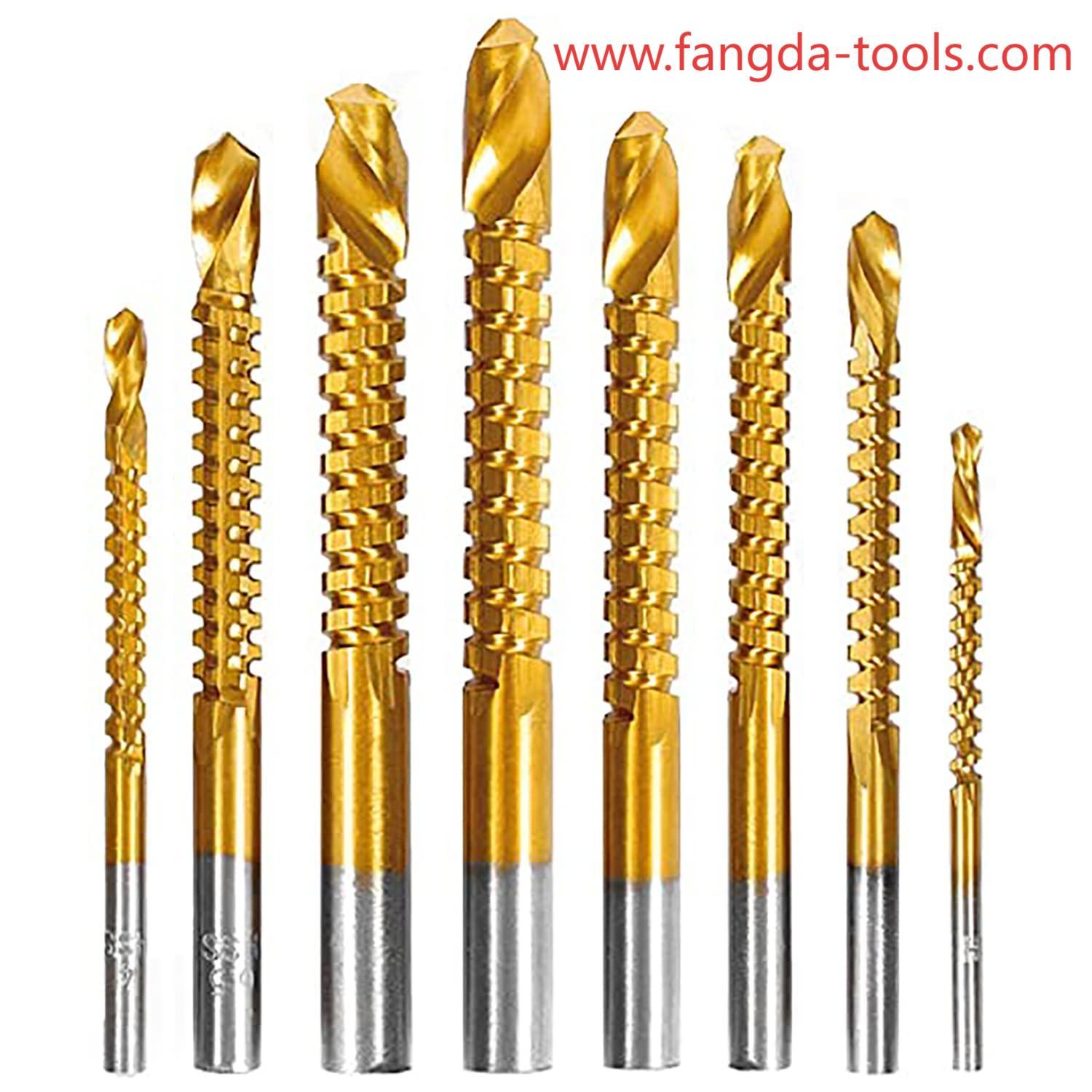
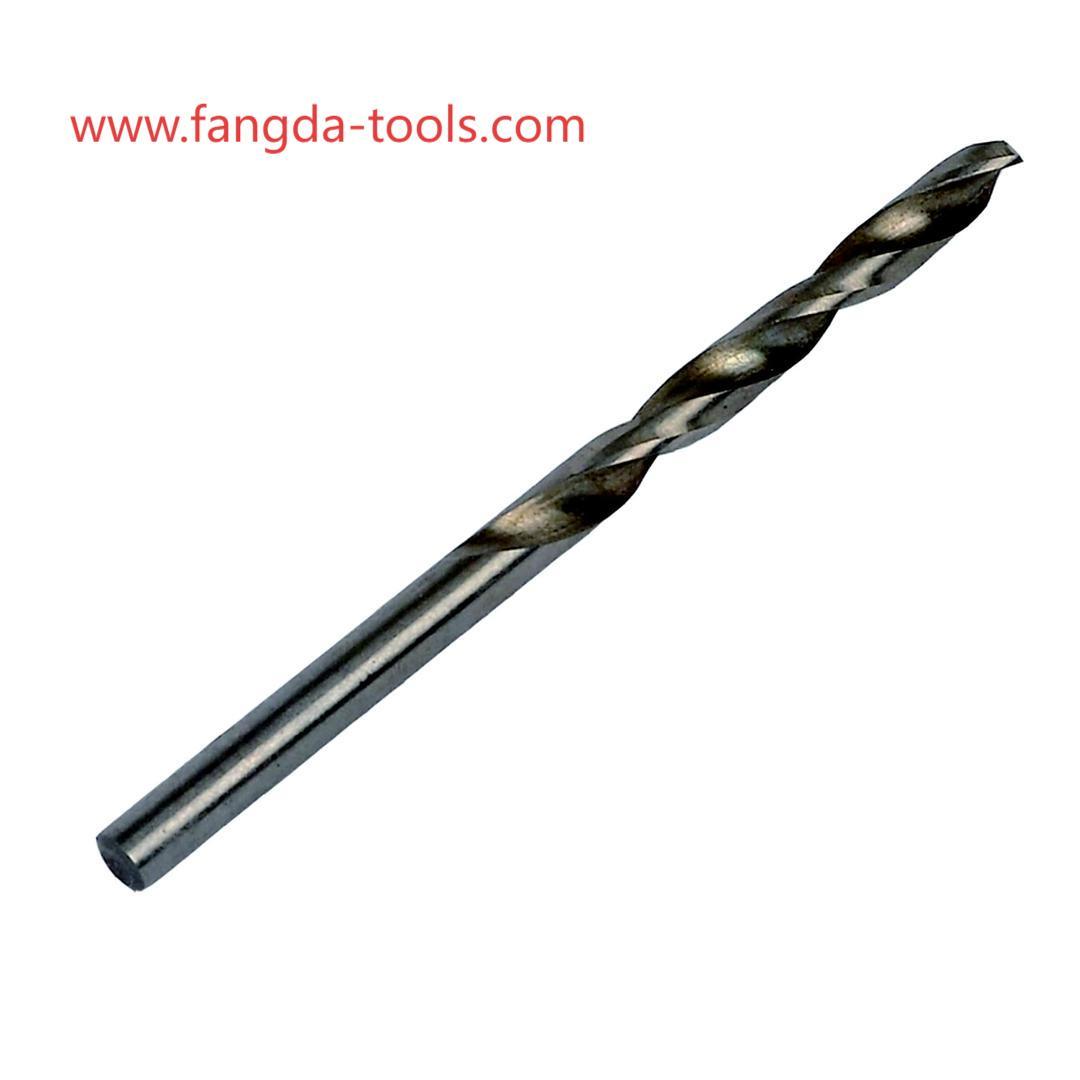
In metalworking, maintenance, fabrication, and general workshop operations, the HSS Twist Drill Bit from fangda-tools can be considered when users need a practical drilling solution for a range of routine applications. Although drilling may appear to be a straightforward process, the quality of the final result is often influenced by several connected factors, including tool selection, material...
As global supply chains realign to mitigate geopolitical risks and optimize regional distribution networks, the demand for advanced logistics infrastructure is expanding globally. Different regions exhibit distinct operational priorities shaped by local labor availability, real estate dynamics, and e-commerce adoption rates. Investigating the Automated Sortation System Market region dynamic...
When drilling tasks call for a practical balance of durability, control, and versatility, the HSS Twist Drill Bit from fangda-tools offers a solution designed around everyday working needs. Its familiar twist profile supports smooth material penetration while allowing users to approach different drilling operations with greater confidence. From workshop preparation to maintenance activities, a...
The Military IoT market is a global industry with distinct regional characteristics shaped by defense budgets, geopolitical tensions, and technological capabilities. From the dominant North American market to the fast-growing Asia-Pacific region, the Military IoT Market presents a diverse geographic landscape. North America holds the largest share, while Asia-Pacific is the...